
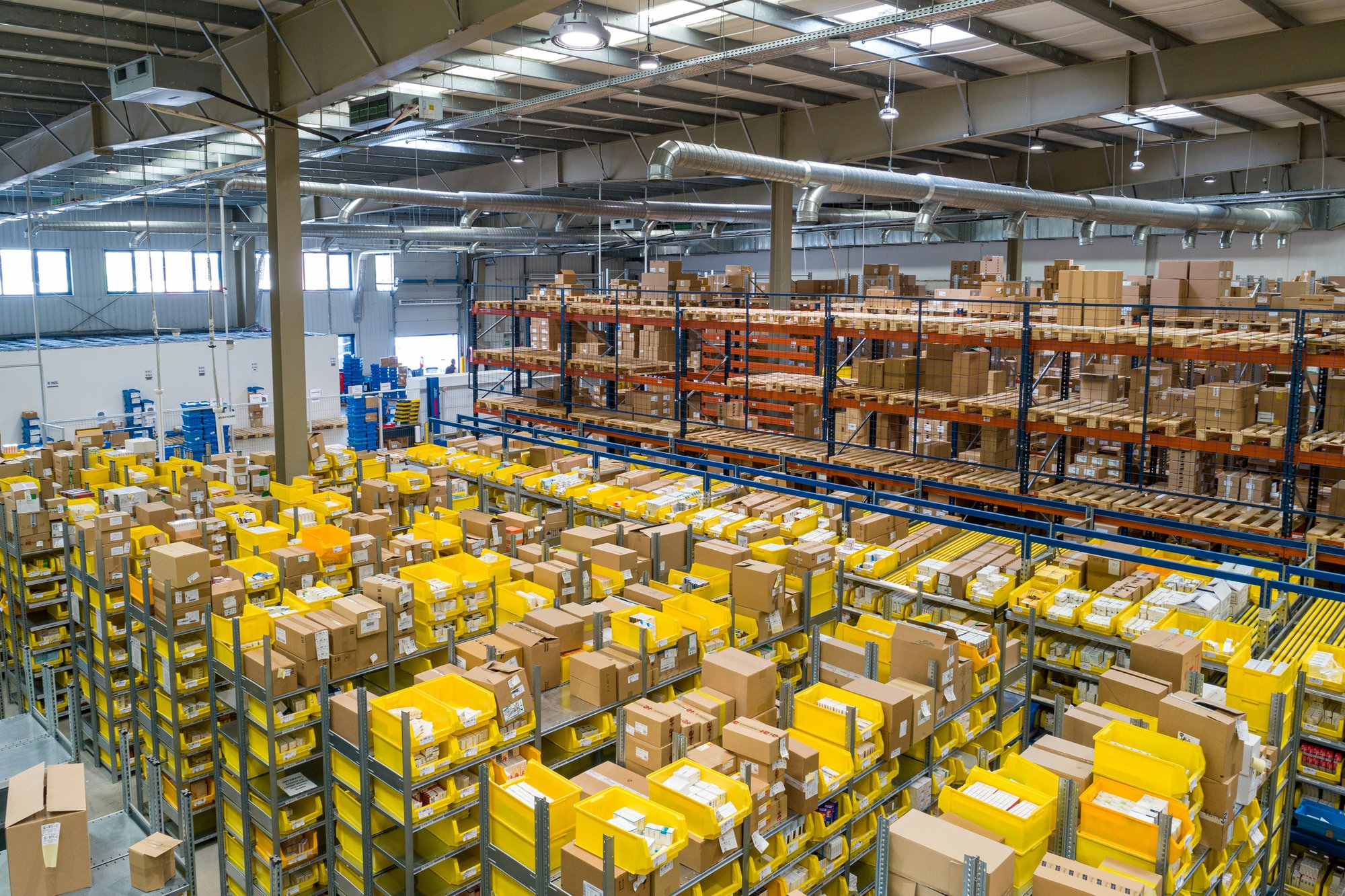
In modern supply chains, “good enough” reporting creates expensive surprises. Late appointments trigger chargebacks, inventory drift causes oversells, and unclear ETAs force leaders into reactive firefighting. Customer-driven logistics solves that problem by designing operations around the shipper’s goals, then pairing those workflows with live data and responsive service.
This approach matters because visibility now sits at the center of logistics strategy. In a 2024 Maersk survey, decision makers ranked supply chain visibility as the top trend. At the consumer level, McKinsey reports that about half of U.S. shoppers check tracking status, reinforcing how frequently end customers want updates. The standard keeps rising, and shippers feel it first.
Customer-Driven Logistics and Real-Time Visibility
True transparency does not start with a dashboard. It starts with clean events and disciplined processes that generate trustworthy signals from receiving through delivery.
A customer-driven model typically builds visibility through:
- System connectivity that ties orders, ASNs, and shipment status into a single shared view
- Scan-based execution using barcodes, mobile devices, and verification steps that reduce “phantom” inventory
- Exception workflows that flag shortages, damages, holds, or compliance issues early enough to fix them
EDI plays a major role here. IBM notes that EDI standardization helps reduce errors by ensuring information arrives in the right format before it enters business processes. That reduction in manual re-keying translates into fewer mis-picks, fewer invoice disputes, and faster resolution when an order changes.

So what: when your team trusts the data, you shorten decision cycles, reduce “where is my order” traffic, and protect OTIF performance without adding headcount.
Personalized Support Starts With Intentional Service Design
“Personalized support” should not mean random favors. It should mean deliberate operating design that matches how your business actually runs.
Customer-driven programs usually begin with a discovery that maps:
- Order profiles (B2B, D2C, retail, marketplace) and the service levels each requires
- Handling needs such as lot control, serialization, temperature sensitivity, or special equipment use
- Compliance requirements including labeling rules, routing guides, documentation, and appointment processes
From there, the logistics team builds SOPs, escalation paths, and performance targets that align to your priorities. That may include defined cutoffs for same-day shipping, tailored pack-outs for retail, or reserved staging lanes for time-sensitive replenishment.
So what: you avoid the most common 3PL failure mode, which is forcing your operation into a rigid template that breaks under channel complexity.
Data, Automation, and AI Enable Proactive Decisions
Customer-driven logistics does not reject technology. It uses technology with purpose, so tools serve outcomes instead of creating more noise.
High-performing operations increasingly use automation and AI to:
- Predict workload so supervisors schedule labor to demand, not averages
- Optimize slotting to reduce travel time and increase pick speed
- Detect risk earlier through pattern recognition across shortages, delays, and carrier performance
Visibility also matters upstream. McKinsey reports that while 95% of respondents have visibility into tier-one supplier risks, only 42% extend that visibility into tier-two or beyond. A customer-driven approach helps close that gap by building alerting, reporting, and escalation logic around your specific risk profile, not generic templates.
Rail technology fits here, too. Tools such as RailPulse-style telemetry can strengthen tracking for rail assets, improving ETA confidence and helping teams plan labor and dock schedules with fewer last-minute pivots.

So what: proactive planning reduces premium freight, lowers expediting spend, and stabilizes service levels during disruption.
Location and Modal Flexibility Matter in Dense Corridors
Visibility and service design only go so far if your inventory sits in the wrong place. In high-density regions, network positioning becomes a direct lever for speed, cost control, and resilience.
The Northeast Megalopolis has roughly 50 million people, based on U.S. Census Bureau estimates for the broader “Megalopolis” region, with continued growth over time. The corridor also concentrates major port activity and intense demand for fast replenishment. In that environment, shippers benefit when they place product near gateways and end markets, then keep multiple transportation options available.
Rail can be a powerful part of that mix when lanes and volume align. The Association of American Railroads notes that freight rail moves one ton of freight nearly 500 miles per gallon of fuel, on average. A rail-served site with strong linehaul access and reliable last-mile switching can support both efficiency and responsiveness, particularly when ports surge and highway capacity tightens.
So what: the right geography plus modal options can reduce dwell time, improve schedule reliability, and protect margins when transportation markets swing.
Make Customer-driven Logistics Real With Lansdale Warehouse
If you want a logistics partner that operationalizes customer-driven logistics through infrastructure, systems, and disciplined execution, Lansdale Warehouse offers a strong fit. Lansdale operates with a Customer Driven Logistics philosophy, supported by asset-based control of facilities, equipment, vehicles, and systems, which helps keep accountability clear when priorities shift.
Lansdale also brings credibility for quality and regulated programs through ISO9001 certification and FDA and AIB-certified locations. Teams gain practical visibility through online access to inventory and orders, plus EDI connectivity that supports cleaner data exchange. Lansdale’s service scope includes pick-pack fulfillment, compliance labeling, cross-dock, rail service, rail transloading, and just-in-time support, backed by a rail-served footprint with access to two Class I railroads and daily last-mile short line service.
If your organization needs clearer status, faster exception resolution, and a more tailored operating plan, contact us to discuss a customer-driven program built around your requirements.
Comments are closed