
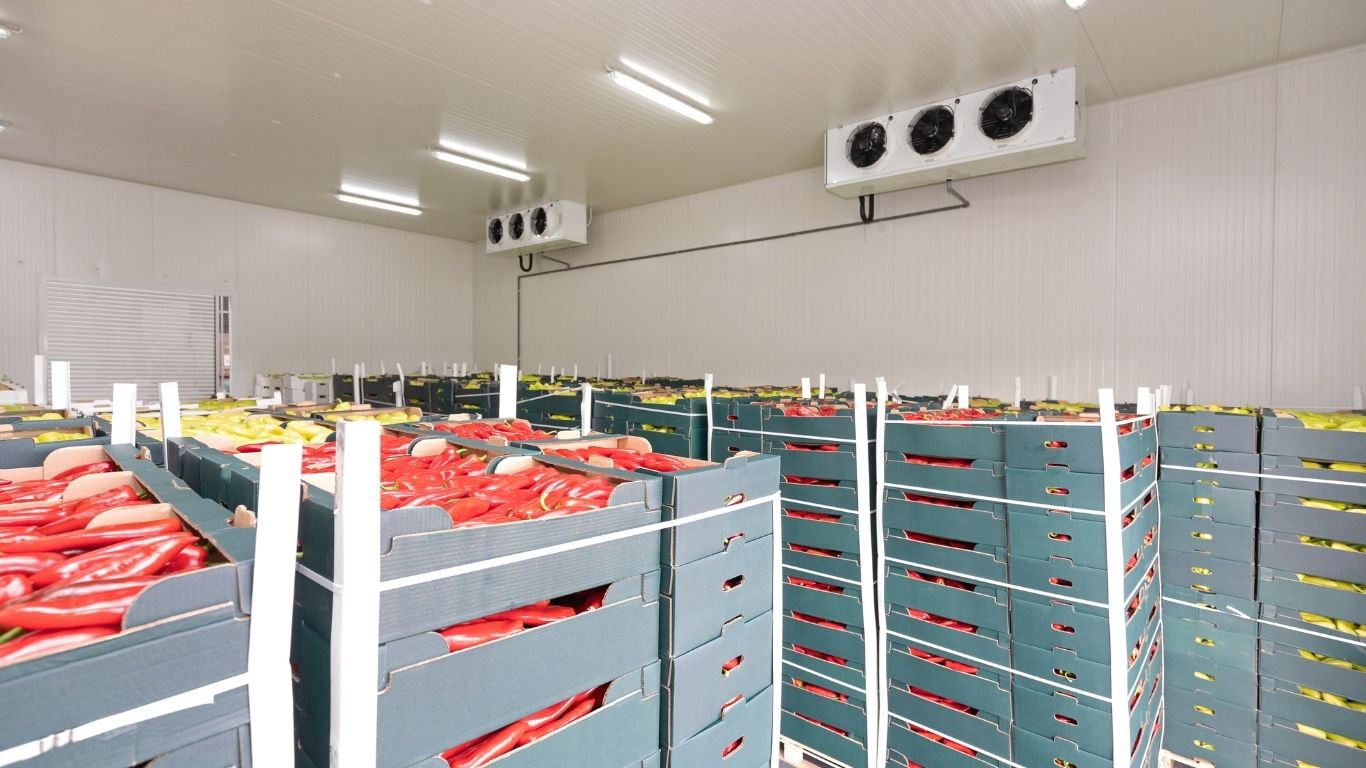
An AIB-certified warehouse does more than store food products. It supports stronger control over sanitation, handling, documentation, and daily execution. For food brands, that added discipline helps protect product quality before a shipment reaches the customer.
FDA rules set an important baseline for food safety. Food facilities covered by the FDA’s preventive controls rule must maintain a food safety plan based on hazard analysis and risk-based preventive controls. An AIB-certified warehouse adds another layer by applying a structured inspection standard inside the operation. That helps teams identify risks, tighten routines, and support safer food-grade storage.
Why an AIB-Certified Warehouse Goes Beyond the FDA Baseline
FDA compliance is essential, but it does not answer every operational concern. A facility can meet regulatory requirements and still leave room for improvement in sanitation, documentation, pest-control readiness, or daily warehouse practices. An AIB-certified food-grade facility helps close those gaps through stronger food-grade controls and better inspection readiness.
AIB refers to AIB International, a food safety organization known for inspection standards used in food distribution environments. In practice, that gives food brands another layer of confidence that the warehouse is built around repeatable controls, not only minimum regulatory compliance. For companies that need stronger audit readiness, that added structure can support better sanitation discipline, clearer traceability, and more consistent daily process control.
An AIB-Certified Warehouse Strengthens Daily Process Control
Food safety problems rarely begin with one dramatic failure. They often build from smaller gaps such as weak cleaning routines, poor segregation, unclear storage rules, or inconsistent handling. An AIB-certified warehouse helps reduce those weak points by making food-grade practices part of the normal workflow
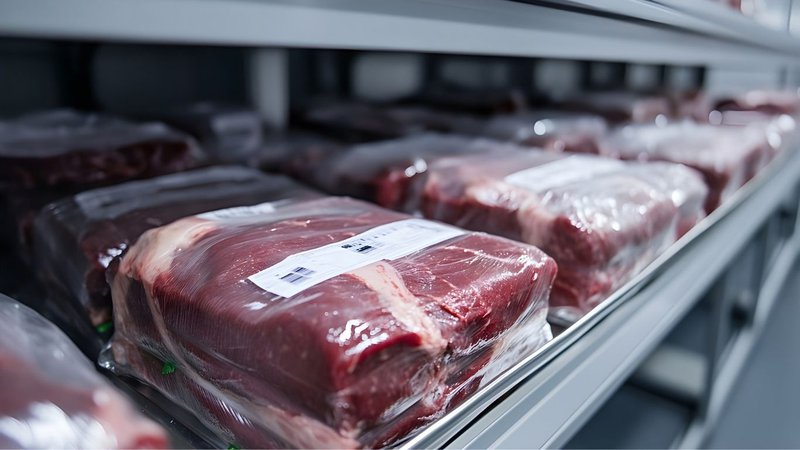
The difference becomes clear in daily execution. Teams need clear receiving rules, defined storage conditions, disciplined housekeeping, and procedures that support safe movement from receipt through shipment. Strong quality standards in specialized warehousing support that kind of consistency by linking process discipline to cleaner execution, stronger inventory accuracy, and better outbound reliability.
The value is easy to see. Better daily control can reduce avoidable holds, product damage, and audit stress. It also gives food brands a stronger operating base when customer requirements tighten or volume increases.
Documentation and Traceability Improve Compliance Confidence
Food safety depends on what a warehouse can prove, not only what it intends to do. Records, lot traceability, inventory status, and exception handling all help show that the product moved through the facility under controlled conditions. It becomes even more important when customers expect fast answers during an audit, a quality review, or a product issue.
In an AIB-certified warehouse, documentation and traceability usually support four practical needs:
- Faster audit response
- Clearer lot tracking
- Better exception review
- Stronger inventory control
Clear digital transparency through EDI and online portals can make those controls easier to manage. When inventory and order status are easier to see, teams can answer questions faster, review exceptions sooner, and reduce manual back-and-forth.
Traceability also depends on clean data capture inside the warehouse. Better RFID technology integration can support more reliable movement records across receiving, putaway, picking, and shipping. In an AIB-certified warehouse, that cleaner information chain supports stronger food safety decisions.
Training and Facility Discipline Still Make the Difference
Certification does not replace people. Warehouse teams still need training that explains what to do and why the rules matter. Food-grade operations depend on sanitation discipline, allergen awareness, cross-contamination prevention, and food defense routines that stay consistent from shift to shift.

Facility discipline becomes a real advantage here. A warehouse can have the right paperwork and still struggle if cleaning routines slip, product zones are unclear, or handling practices change too much during busy periods. A stronger asset-based model can help support that consistency because the operator controls more of the facility, equipment, and process environment directly.
For food brands, that operational control supports more than compliance. It helps an AIB-certified warehouse hold the same standard across daily work, not just during a scheduled inspection.
Why Food Brands Look for More Than Basic Compliance
Food brands answer to more than regulators alone. Customers, retailers, and internal quality teams all want confidence that the product is moving through a clean, controlled, and traceable environment. This helps explain why an AIB-certified warehouse can stand out.
It signals that the operation follows a more disciplined standard for food distribution practices, not just a minimum requirement for storage space. For brands that manage high-volume or sensitive food products, that extra assurance can strengthen customer confidence and reduce operational friction.
It can also make growth easier to support. When food-grade routines are already built into the warehouse, brands can scale without weakening the daily controls that protect product quality.
Keeping Food-Grade Programs Stronger Every Day
Food safety is easier to protect when the warehouse is built for it from the start. Clean process control, traceable inventory movement, disciplined sanitation, and stronger inspection readiness all support a more reliable operation. This is where an AIB-certified warehouse adds value beyond basic regulatory compliance.
A more audit-ready warehouse program can make food-grade execution easier to manage as customer expectations and inspection demands grow. Connect with us to discuss how stronger process control, traceability, and sanitation discipline can support your compliance goals.
Comments are closed