
Just-in-time logistics helps industrial supply chains reduce delay, control inventory more closely, and respond faster when demand changes. Instead of carrying more stock than the operation needs, teams work to bring materials in closer to the point of use. That approach can shorten lead times, reduce excess inventory, and improve flow across the network.
Strong just-in-time logistics depends on tight timing, accurate inventory, clear visibility, and warehouse support that keeps materials moving. When those pieces stay aligned, teams can reduce avoidable delay without giving up control.
Just-In-Time Logistics and Better Timing
Production schedules do not leave much room for drift. When materials arrive too early, space gets tied up. When they arrive too late, output can slow down, and the next order may be affected. Just-in-time logistics helps reduce that pressure by keeping inbound flow closer to actual demand.
In industrial environments, where purchasing, receiving, storage, and outbound release all affect lead time. A delay at one step can quickly affect the next, especially when teams are trying to support production without building extra stock. Timing works better when each part of the process supports the same schedule.
More flexible supply chain solutions can help operations respond to shifting demand without losing control of inventory flow or service. For industrial supply chains, that flexibility can make it easier to adjust timing without creating avoidable disruption elsewhere in the network.
Faster Lead Times Start With Fewer Delays
Lead times often stretch because freight waits too long between steps. Inventory may sit at the dock, move into storage too early, or get staged more than once before it is ready to ship. Each extra handoff adds time, labor, and another chance for delay.

A tighter just-in-time model reduces that drag by supporting faster transfer from inbound to outbound activity. That is one reason tactical cross-docking can be useful in industrial supply chains. When the product and order pattern fit the process, direct transfer can cut days on hand and move materials through the network with fewer stops.
Inventory Accuracy Protects Just-In-Time Logistics
Shorter lead times do not help much if the inventory data is wrong. In a just-in-time environment, teams make faster decisions with less room for error. A bad count, an incorrect location, or a missed status change can delay release, disrupt production, or trigger extra freight cost.
Process discipline matters as much as speed. Clean receiving, accurate scans, and consistent handling all support stronger inventory control. Better quality standards in specialized warehousing help reduce the kind of avoidable mistakes that can undermine just-in-time logistics when schedules are tight and expectations are high.
Keeping Just-In-Time Logistics on Track With Better Visibility
Lead times are harder to protect when teams cannot see changes soon enough. In industrial supply chains, a late inbound load, a shifted production schedule, or a sudden order change can affect the next step almost immediately. Clear visibility helps teams adjust early, which can keep one timing issue from disrupting the next step in the chain.
That kind of visibility matters because just-in-time logistics leaves less room for delay to hide. Teams need to know what changed, when it changed, and whether it affects release timing, replenishment, or customer delivery. Without that view, even a small issue can force extra follow-up and slower decisions.
Better online portals and EDI visibility can help customers review order status, track exceptions, and communicate changes with less delay. In a just-in-time operation, that kind of access supports faster decisions and better coordination when timing becomes tight.
Location Plays a Bigger Role Than It First Appears
Lead time is not shaped by process alone. Location affects how quickly freight can move into production regions, how close inventory sits to demand, and how much time remains for local delivery after the long-haul move is complete. A strong network design can support just-in-time goals before the first order is even picked.
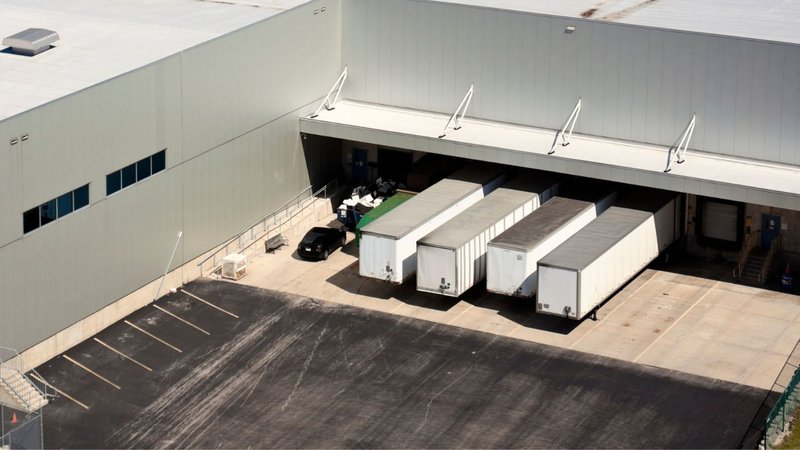
Lansdale’s position near major East Coast ports and dense Northeast markets supports that kind of planning. For industrial supply chains that serve high-volume customer corridors, a well-placed warehouse can help shorten replenishment windows and improve response without relying on excess safety stock.
Reliable Infrastructure Supports Tighter Schedules
Just-in-time logistics puts more pressure on execution because there is less room to absorb missed cutoffs, equipment gaps, or handoff problems. That makes infrastructure control more important. When the logistics partner controls more of the operating environment, it becomes easier to support tighter schedules with fewer surprises.
An asset-based 3PL model can help support that consistency through owned facilities, equipment, and fleet capacity. For industrial supply chains, that kind of control can strengthen reliability when timing matters as much as cost.
Keeping Replenishment Closer to the Point of Need
Just-in-time support works best when timing, visibility, inventory accuracy, and warehouse execution stay aligned. Shorter lead times come from reducing delay between steps, not from pushing product faster without the right controls in place.
A more responsive warehouse setup can help keep replenishment on track as demand shifts. Consult with us to build tighter just-in-time coordination and more reliable execution across your operation.
Comments are closed