
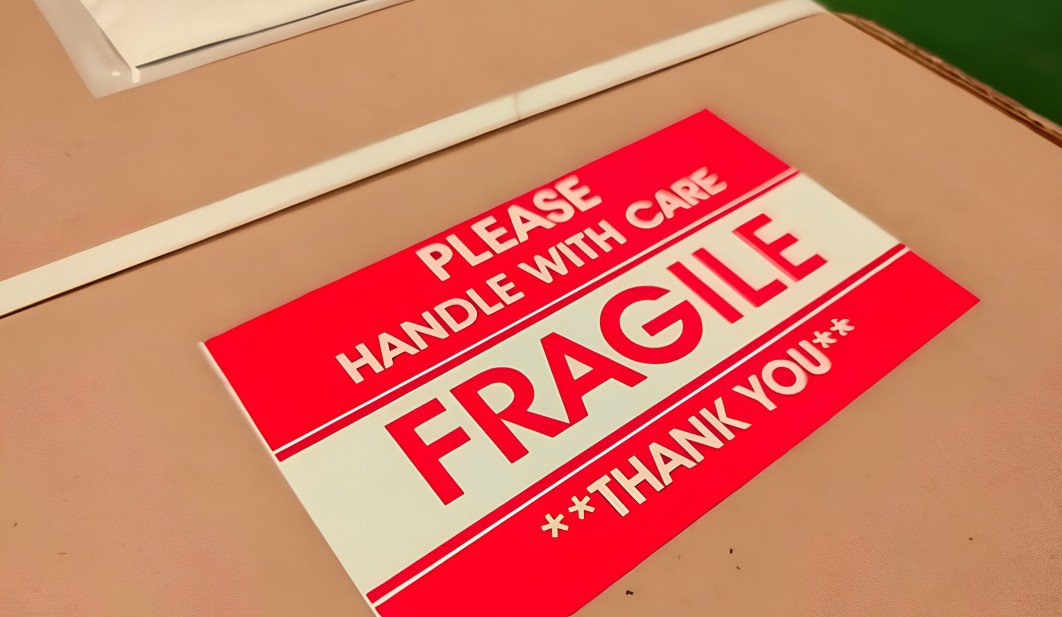
The logistics landscape of the East Coast Megalopolis presents unique challenges for manufacturers of sensitive assets. Situated in a corridor serving 90 million people, Lansdale Warehouse Company (LWC) operates at the center of a dense consumer network. In this high-velocity environment, speed must never compromise product integrity. Standard forklift methods often fall short for items like industrial equipment or delicate electronics. Therefore, protecting these assets requires a commitment to specialized material handling. This approach prioritizes stability, precision, and environmental control for every shipment across the regional network.
Managing fragile inventory involves more than careful human oversight. It requires the deployment of asset-based infrastructure designed to mitigate physical risks during transport. At Lansdale Warehouse, this specialized material handling strategy is a core part of the Customer Driven Logistics™ philosophy. The company owns both the equipment and the facilities. Because of this ownership, LWC maintains direct control over the mechanical interfaces that touch a customer’s product. This level of physical asset ownership ensures that high-value goods reach their destination without the hidden costs of transit damage.
The Business Impact of Specialized Material Handling
When evaluating a Third-Party Logistics (3PL) partner, the value of equipment investment relates directly to the bottom line. Damage to high-value assets is not merely a loss of the item’s cost. Instead, it represents stalled projects, unhappy end-users, and potential insurance premium spikes. Using specialized material handling equipment, like carton clamps and slip sheet attachments, allows for safer movement. These tools handle non-palletized or unusually shaped goods with a level of security that standard forks cannot provide.
In a facility that holds International Organization for Standardization (ISO) 9001 and AIB International (AIB) certifications, equipment and quality are inseparable. For example, precision-calibrated clamps apply just enough pressure to secure a load. This prevents mechanical systems from crushing internal contents. Consequently, this technical accuracy improves operational efficiency. It reduces the time spent on manual bracing and secondary packaging.

When tools match the product, the risk of human error during loading drops significantly. This provides a measurable Return on Investment (ROI) through lower claim rates. Furthermore, companies using specialized warehousing services can predict logistics costs more accurately by eliminating avoidable damages.
Strategic Infrastructure in the Port Corridor
The proximity of Lansdale Warehouse to three major East Coast ports creates a high-velocity environment. Goods arriving from international markets often require immediate transloading to reach regional distribution centers. In these scenarios, specialized material handling serves as the bridge between different modes of transport. LWC is served by two Class I railroads (CSX) and receives daily last-mile service from a short line railroad. Therefore, the ability to handle fragile bulk loads directly from rail cars is a critical advantage.
Rail-to-truck transfers of sensitive materials require specialized lifts. These machines navigate the unique dimensions of a boxcar while maintaining a steady center of gravity. This synergy between rail service and specialized equipment reduces the number of touches a product experiences. As a result, the risk of damage decreases. By using the right tool for the initial extraction, LWC minimizes these touchpoints. This level of intermodal efficiency is essential for companies looking to leverage the 90 million-person market. Effective intermodal logistics strategies allow for greater reach across the Atlantic corridor while maintaining product safety.
Maintaining Integrity through Specialized Material Handling and Storage
Protection does not end once the item is placed on a rack. For assets sensitive to environmental factors, the storage environment is as important as the handling equipment. As a Food and Drug Administration (FDA) registered facility, Lansdale Warehouse integrates specialized material handling with climate-monitored environments. The company also uses real-time Electronic Data Interchange (EDI) tracking. This ensures that every high-value asset moves safely. Additionally, proper storage conditions preserve the long-term viability of the goods.
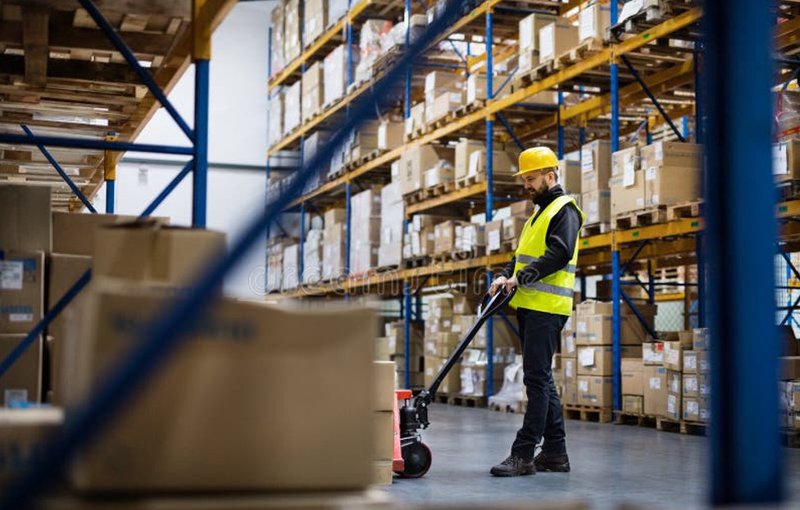
For alcoholic beverage distributors, the use of specialized equipment prevents micro-vibrations. These jarring movements can settle or damage sensitive liquids. The integration of Radio Frequency (RF) inventory control within these zones means that visibility remains high. Managers can verify the status of their high-value inventory through an online portal. This provides peace of mind backed by physical asset ownership and robust quality control systems.
The Logical Transition to Professional Asset Management
As supply chains become more complex, the margin for error in material handling disappears. Relying on a partner with a generic approach is a risk that modern VPs of Operations cannot afford. The transition to specialized material handling is a strategic move. It protects the brand’s reputation and its inventory.
Lansdale Warehouse Company provides the equipment, certifications, and geographic positioning necessary for a competitive advantage. When one handling error can derail a quarterly budget, partnering with an asset-based expert is logical. Tailored solutions for high-value logistics help businesses avoid the pitfalls of fragmented supply chains. To learn how specialized handling fits your regional distribution strategy, contact the team at Lansdale Warehouse to discuss a customized logistics solution.
Comments are closed