
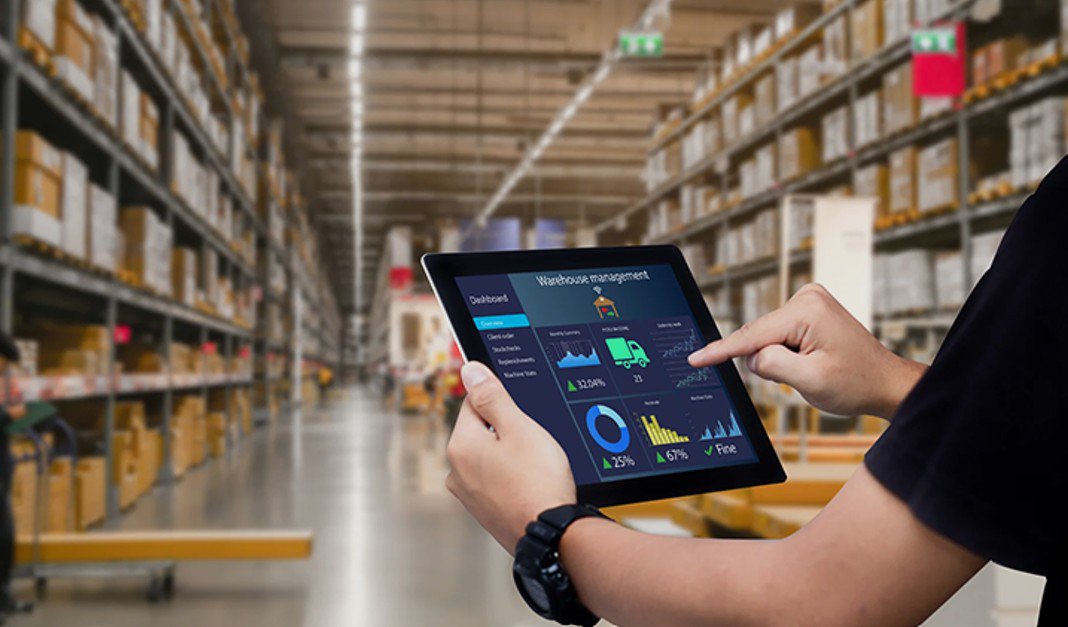
Standard material handling automation handles uniform, predictable items well. But a significant share of warehouse volume, including roll paper, lumber, and bulk industrial goods, doesn't move through automated systems cleanly. That gap between what automation promises and what it delivers often lives in that category, and closing it requires a different kind of infrastructure.
Material handling automation covers a wide range of technologies. Knowing which ones fit your operation, and in what order to add them, is what separates a smart investment from a costly one.
What Material Handling Automation Actually Covers
In practice, material handling automation means any system that cuts manual effort in moving, storing, sorting, or tracking inventory. That includes autonomous mobile robots (AMRs) that carry goods across the floor. It also includes conveyor systems that route items to pick stations, and RF-enabled tools that log every movement in real time.
Not all of these fit every operation. A facility handling lumber or roll paper has different needs than one managing small consumer goods. So the right automation strategy starts with your product mix, order profiles, and volume targets. Not a catalog of available tools.
Where Most Warehouses Start
For most operations, inventory tracking is the right first step. RF scanning and warehouse management systems (WMS) give teams live views of stock levels, locations, and movement history. Because this layer supports everything else, it makes sense to get it right before adding physical automation.
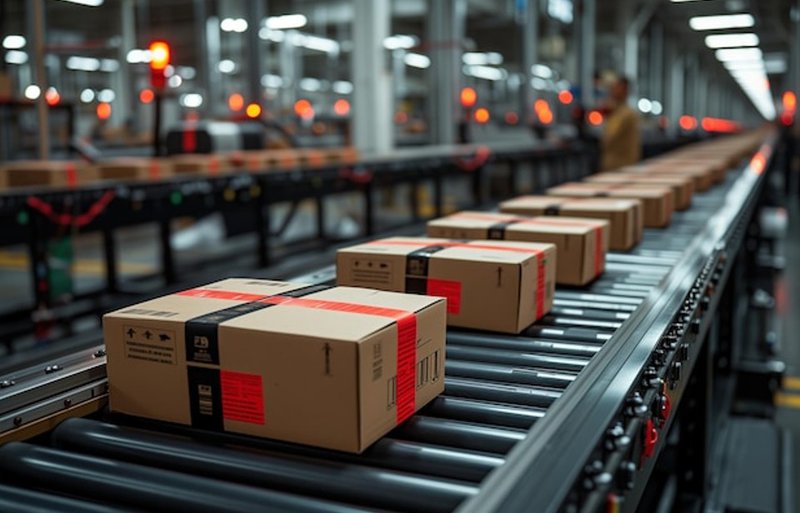
Next, many facilities move to pick path optimization. Software that sequences picks well can cut floor travel time without any new hardware. That gain in labor efficiency often funds the next phase.
After that, AMR deployment is a common entry point into physical automation. AMRs work alongside staff rather than replacing fixed infrastructure. That makes them easier to scale as volume shifts. They also connect with most WMS platforms, so the data layer from phase one supports the physical layer in phase two.
However, sequence matters less than fit. A large facility with rail-served inbound flows and mixed bulk and pick storage has different needs than a pure e-commerce center. Start with the bottleneck. Not the trend.
How a 3PL Fits the Material Handling Automation Strategy
For many brands, the decision to automate is also a decision about whether to own that automation or access it through a partner. Lansdale Warehouse Company (LWC) operates five facilities across Montgomery County, Pennsylvania, totaling more than 500,000 square feet. LWC's asset-based model includes RF inventory control, WMS-integrated cycle counting, and specialized material handling equipment for products that standard automation cannot handle well.
That last point matters. Material handling automation works best with uniform, predictable items. For paper rolls, lumber, and other non-standard goods, specialized equipment and trained staff often deliver better results. LWC's owned equipment covers roll paper handling, carton clamp work, and slip sheet operations. All of it ties into live inventory systems.
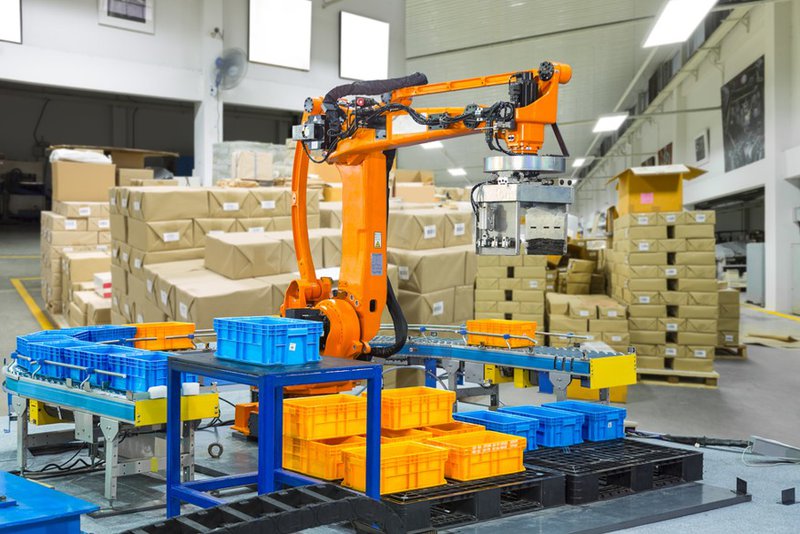
Because LWC owns its facilities, equipment, and systems, there are no gaps between the technology layer and the physical operation. When something changes on the floor, the system reflects it. That continuity is what makes real-time visibility useful rather than theoretical.
LWC sits at the center of a consumer corridor of roughly 90 million people, within 100 miles of three major East Coast ports. It also has access to two Class I railroads and daily last-mile short line service. For brands that need both automation and strong regional reach, that footprint is hard to match.
Building a Scalable Automation Roadmap
A useful roadmap answers three questions. First, where does manual effort create the most risk or cost today? Second, which layer, if added now, would support the most future gains? Third, does this investment move the operation toward where it needs to be in three to five years?
For most mid-market operations, the honest answer to the first question points to inventory visibility and pick accuracy. Both drive downstream errors. Both are fixable without major capital outlay or facility changes.
LWC's ISO 9001 certification supports a step-by-step rollout. ISO 9001 requires that process changes get documented, tested, and tracked. That applies directly to automation projects, where undocumented changes often create new errors rather than fix old ones.
The goal of material handling automation is not a fully automated warehouse. It is a warehouse where every manual process that remains is there because it is the best tool for that task. Getting there takes a clear sequence, an honest read of current gaps, and a partner whose systems support each phase.
To learn how Lansdale Warehouse's infrastructure and certified processes can support your automation strategy, contact us today.
Comments are closed