
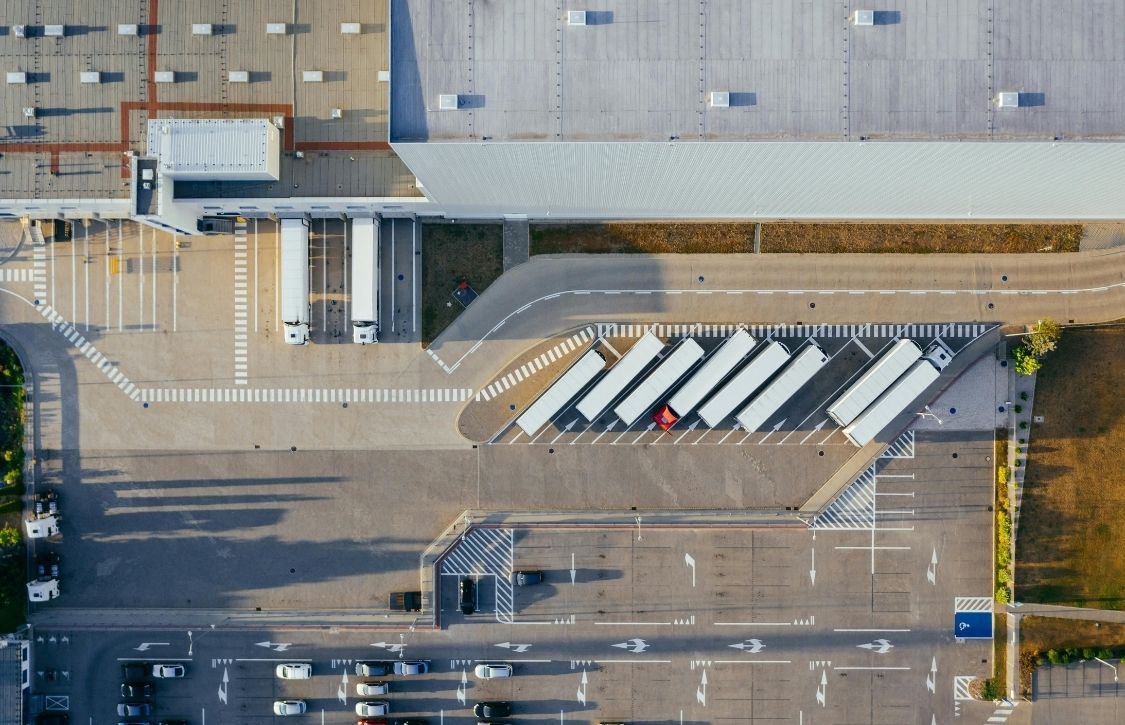
Speed and cost control both depend on where you stage inventory. Smart distribution near dense population centers shortens the final leg of every delivery. A Northeast hub within reach of major ports gives shippers a real strategic edge.
Congestion, tight delivery windows, and rising customer expectations all raise the stakes. Brands that place inventory close to demand recover faster from network disruptions. Smart positioning turns a good supply chain into a genuinely resilient one.
The Case for Port-Proximate Distribution
Import volumes keep flowing through major East Coast gateways every single month. Distribution centers near those ports convert containers into available inventory much faster. Fewer miles between the port and the warehouse means fewer chances for delay.
You gain a real advantage when your logistics partner sits inside the port corridor. Shorter transit times let you restock shelves faster and keep customers happy year round. A nearby distribution partner protects your supply chain from delays and rising freight costs.
Why Does Port Proximity Improve Distribution?
Port proximity improves distribution by shortening the time between container discharge and available inventory. Shorter drayage runs reduce exposure to chassis shortages and appointment delays at the terminal. Facilities within 100 miles of a major port can put freight into storage within the same day.
A port-proximate hub delivers several practical advantages:
- Shorter drayage runs with fewer scheduling risks
- Lower safety stock requirements across the network
- Later order cutoffs without missing delivery commitments
- Better access to rail-served facilities for inland moves
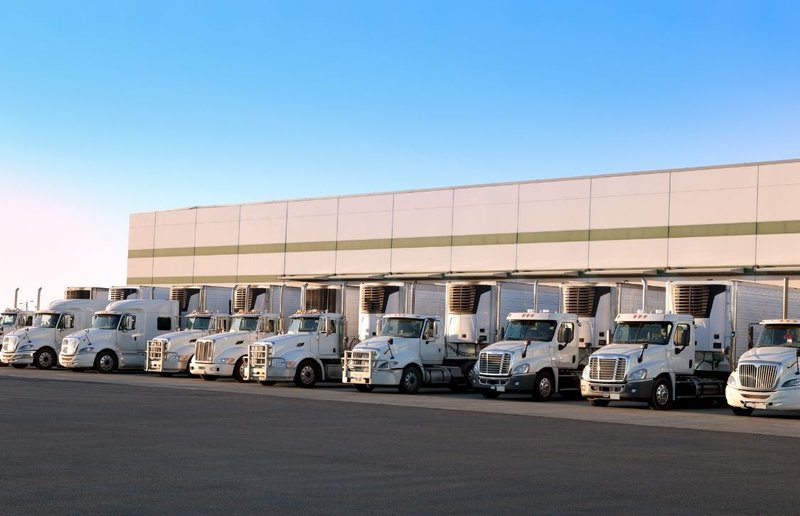
The Northeast Megalopolis concentrates more than fifty million residents within a compact footprint. A strategically hubbed facility in that corridor reaches most major metro markets within a single day's drive. Density like that supports faster delivery promises without excessive premium freight spending.
Balancing Rail and Truck Within 100 Miles
A strong distribution plan blends transportation modes based on lane and volume. Rail handles predictable, high-volume linehaul, while trucks manage flexible final delivery. Facilities near both port infrastructure and rail sidings gain the most flexibility.
A blended modal strategy typically includes:
- Rail for steady, high-volume inbound container flow
- Truck for time-sensitive or lower-volume shipments
- Transloading between rail cars and domestic trailers when needed
- Cross-dock lanes for freight that skips long-term storage
Facilities with direct rail access can shift volume off congested highways during peak season. Such flexibility protects service levels when truck capacity tightens unexpectedly. Coordinated scheduling between rail arrivals and truck dispatch prevents freight from stalling at any single handoff point.
Designing the Right Operating Model
Location alone does not guarantee strong performance for every facility inside a distribution network. Facility teams still need disciplined processes to convert proximity into real, measurable results for customers. Visibility, connectivity, and throughput design all matter just as much as physical location on a map.
A strong operating model starts with real-time inventory access that customers and planners can share instantly. Electronic Data Interchange (EDI) connectivity further reduces manual order confirmation steps and speeds up daily transactions. Clear exception workflows also help teams manage damages, holds, and shortages without slowing down daily operations.

Compliance labeling aligned to each customer's specific requirements keeps every shipment ready for audit at any time. Together, these four elements support a dependable and well connected operating model for every partner involved.
Reliable inventory visibility lets planners trust the numbers behind every allocation decision they make daily. Added trust reduces the padding many teams build into forecasts and safety stock targets over time. Facilities that combine strong location with reliable systems regularly outperform their peers on key service metrics.
Planning for Seasonal Swings in Northeast Distribution
Demand near the Northeast Megalopolis rarely stays flat across the calendar year. Retail resets, holiday peaks, and weather events all strain a distribution network at different points. Facilities that plan ahead absorb these swings without sacrificing delivery promises.
A resilient seasonal plan for Northeast distribution usually includes:
- Flexible labor models that scale up quickly during peak weeks
- Overflow storage arrangements secured well before demand spikes
- Carrier diversification across rail, truck, and regional partners
- Early communication with customers about capacity and cutoff changes
Facilities that test their surge plans during slower months catch gaps before peak season arrives. Regular tabletop exercises with operations and transportation teams build confidence across the whole network. Planning early also protects pricing, since last-minute capacity often carries a steep premium.
Reach Northeast Demand With Lansdale Warehouse
A hub strategy only works when the facility, location, and systems align. Lansdale Warehouse sits at the center of the Northeast Megalopolis, within 100 miles of major East Coast ports. Positioning like this pairs naturally with rail access, EDI connectivity, and disciplined operating standards.
Our team can help you evaluate lead times, freight costs, and service levels for a Northeast hub strategy. Contact us to discuss how a port-proximate distribution plan can support your growth.
Comments are closed