
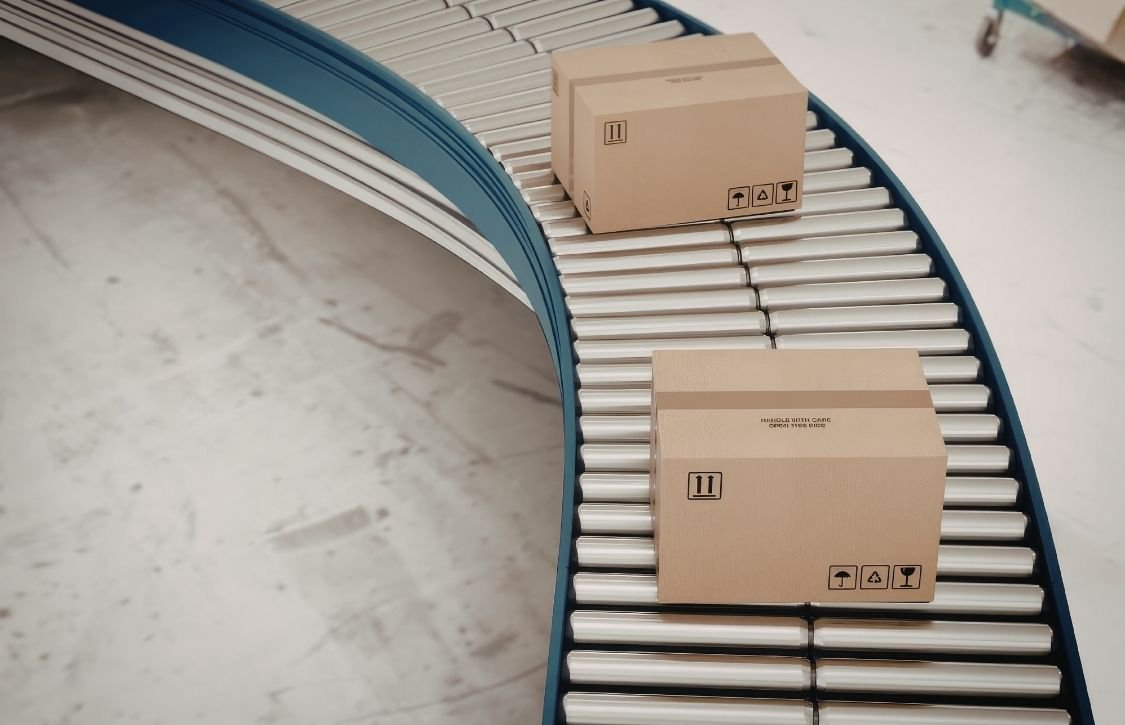
High-value freight demands more care than a standard pallet of dry goods. Damage, theft, and temperature swings all threaten margin on premium products. Many operations teams wait too long before they add automated handling to protect these SKUs.
Delayed investment often costs more than the equipment itself would have cost. Claims, chargebacks, and lost customer trust pile up quietly over several quarters. A short list of clear signals can help you time the decision correctly.
Signals That Point Toward Automated Handling
Rising damage rates on premium SKUs usually appear before any other warning sign. Insurance premiums and claims costs climb quietly until a finance leader notices, leaving facility teams scrambling to justify a capital request under real time pressure. Watch for these early indicators and invest in automated handling once manual damage or shrinkage rates exceed your target threshold, or when rising SKU value, tighter customer audits, and frequent claims signal it's time for a change.
- Damage claims trending upward over two or more consecutive quarters
- New customer contracts with strict handling or chain-of-custody requirements
- SKU mix shifting toward smaller, higher-value units per pallet
- Staff turnover rising in roles that handle premium freight
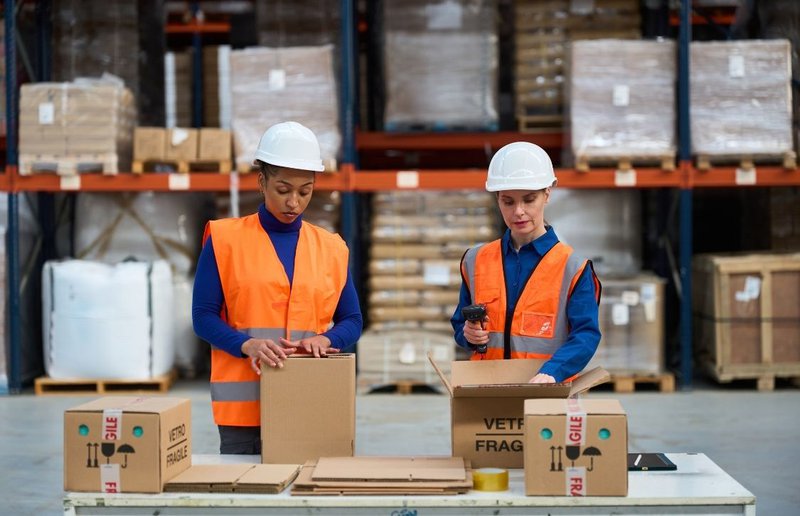
Facilities that store premium spirits, electronics, or pharmaceuticals face the highest exposure. Insurers often reward sites that document handling controls with lower premium rates. In addition, a food-grade, audit-ready facility already has much of the infrastructure that specialized handling requires. As a result, automated handling adds a layer of predictability that manual labor alone cannot guarantee. Robotic arms and guided vehicles reduce the number of times a fragile case gets touched.
Matching Equipment to Product Risk
Not every high-value product needs the same handling solution. Glass bottles need different protection than sealed electronics or bonded pharmaceutical stock. Facility planners should map product risk before they select any single vendor.
A practical risk assessment usually covers a few key areas:
- Fragility and packaging strength under normal handling stress
- Regulatory or chain-of-custody requirements tied to the product category
- Theft risk based on resale value and package size
- Environmental sensitivity to temperature, humidity, or light
Guided vehicles work well for dense, uniform pallets moving between fixed points. Robotic arms suit smaller, high-value units that need gentle, repeatable placement. Vision systems can flag damaged packaging before it reaches outbound staging. Strong connectivity between handling equipment and your inventory system keeps every movement traceable for audits and claims.
Building the Business Case for Leadership
Finance teams want numbers, not intuition, before they approve automation spending. Start by quantifying current damage and shrinkage costs across a full calendar year. Compare that figure against vendor quotes and expected maintenance costs.
Facilities near strong transportation networks often see faster payback on these investments. Fewer touches inside the building pair well with efficient inbound moves, including rail and transload options for heavier freight. Reduced handling steps limit exposure at every point in the network.

Present a phased plan that targets your highest-risk SKUs first. Leadership tends to approve smaller pilot programs more quickly than full-site conversions. Track results for one full quarter before requesting the next phase of funding.
Training Staff to Work Alongside Automated Handling
Equipment alone cannot protect high-value freight without a well-trained team. Staff need clear procedures for the moments when automated handling pauses or flags an exception. A facility that skips this step often loses much of the value the equipment was meant to deliver.
Strong training programs for high-value handling typically include the following elements:
- Hands-on practice with the specific equipment used for premium SKUs
- Clear escalation steps when a sensor or scanner flags an issue
- Regular refresher sessions tied to new product lines or packaging
- Cross-training so coverage continues during turnover or peak season
Supervisors should walk the floor regularly to confirm procedures match daily practice. Small gaps between policy and reality often explain why damage rates creep back up over time. Vendors can also help by offering certification programs tied directly to their specific equipment.
Protect High-Value Freight With Lansdale Warehouse
Premium products deserve a facility built around precision and accountability. Lansdale Warehouse combines specialized material handling capabilities with ISO9001 certification and FDA and AIB-certified locations. Such a structure gives high-value programs the audit trail and reliability they require.
Our team can help you assess current handling risk and design a phased automation plan. Contact us to talk through the right level of automated handling for your product mix.
Comments are closed