
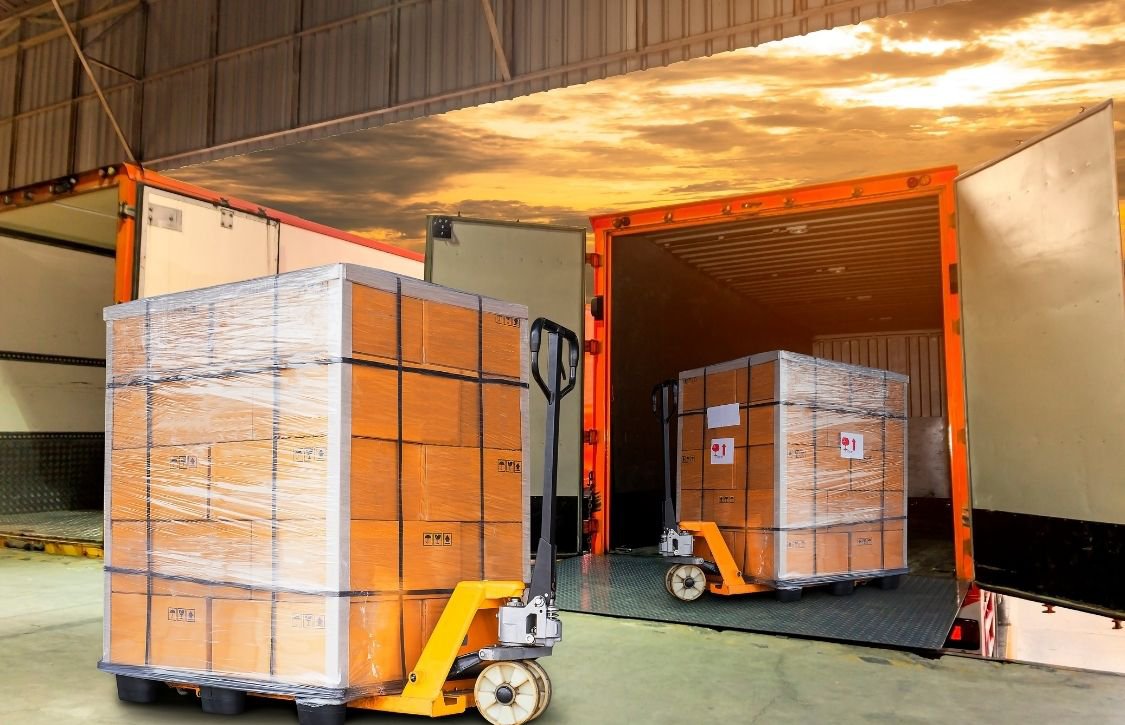
Outbound dock operations sit at the intersection of warehouse execution and carrier schedules. A shipment picked, packed, and labeled on time still fails if it misses the carrier pickup window. Warehouse and shipping coordination at this handoff point determines whether on-time metrics hold or collapse under the weight of detention fees and missed commitments.
For logistics managers and fulfillment directors overseeing multi-carrier outbound programs, the dock handoff is the last controllable step before a shipment enters the carrier's network. Delays at this stage won't just inflate freight cost. They cascade into missed delivery windows and eroded carrier relationships. More importantly, they become compliance failures that show up as chargebacks on the next invoice cycle. Optimizing this transition requires synchronized scheduling, staging discipline, and real-time data flow between warehouse management and transportation management systems.
Where Warehouse and Shipping Processes Break Down
Multiple outbound shipments competing for limited dock doors without a structured schedule force carriers into idle queues. The American Transportation Research Institute's (ATRI) detention study documents that drivers experienced detention on 39.3% of all stops in 2023, costing the U.S. trucking industry $15 billion in lost productivity. Every hour a carrier sits idle at the dock generates detention fees that erode freight budgets and strain long-term carrier partnerships.
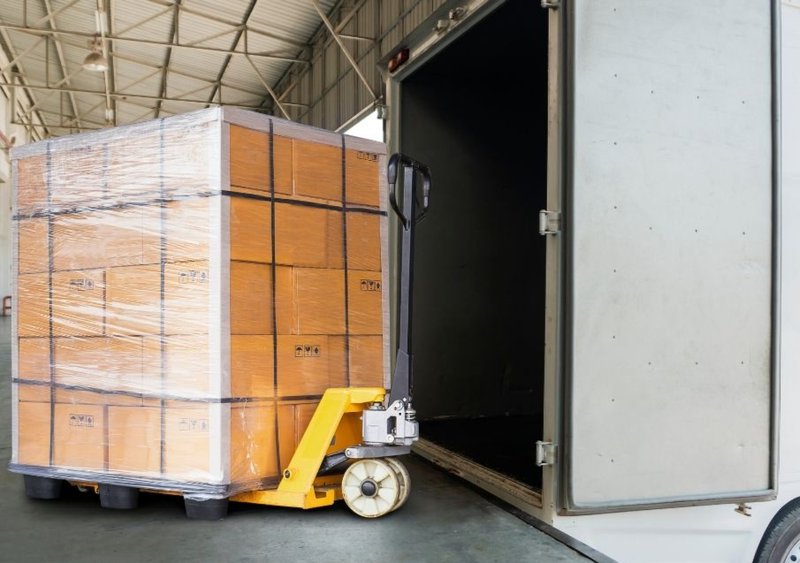
Shipments staged too far from their assigned dock door add unnecessary forklift travel between the staging area and the loading bay. Orders staged too early occupy floor space that later shipments need for pre-load verification and sequencing. Without clear staging lane assignments tied to carrier appointment windows, warehouse and shipping workflows default to reactive decision-making rather than structured execution.
Upstream picking and packing delays compound these dock-level failures. When completed shipments arrive at staging after the carrier's scheduled window, the carrier either departs without it or absorbs idle time at cost. If warehouse teams can't forecast how many trucks to expect in a given window, they can't align loader staffing to actual demand. Both overstaffing and understaffing damage outbound compliance metrics and customer delivery timelines.
Dock Scheduling as the Foundation of Warehouse and Shipping
Appointment-based dock scheduling assigns specific time windows to each carrier and shipment. This gives warehouse teams advance visibility into daily truck volume and timing. Staffing levels, equipment allocation, and staging sequences all derive from this schedule. Without it, dock operations run on institutional memory and ad hoc decisions that break down during peak volume periods.
The Warehousing Education and Research Council's (WERC) DC Measures benchmarking program tracks dock-to-stock cycle time and on-time shipment rates as core distribution center performance indicators. Facilities that enforce automated scheduling with time-based buffers between consecutive dock windows reduce truck turnaround times. It also prevents one late arrival from cascading disruptions through the rest of the shift.
Meanwhile, dedicated dock doors for high-frequency carriers accelerate the loading process further. These carriers develop familiarity with facility layouts, staging conventions, and documentation requirements, reducing the coordination overhead per load. Tracking on-time arrival rates, loading duration, and documentation accuracy for each carrier creates a performance baseline. Warehouse and shipping teams can use this benchmark to prioritize dock access and address recurring compliance gaps.
Staging, Loading, and Handoff Execution for Warehouse and Shipping
Placing each shipment's staging lane adjacent to its assigned dock door compresses forklift travel during loading and keeps the door available for the next appointment on schedule. This physical alignment between staging and loading positions is one of the simplest layout decisions a facility can make, and one of the most frequently overlooked.
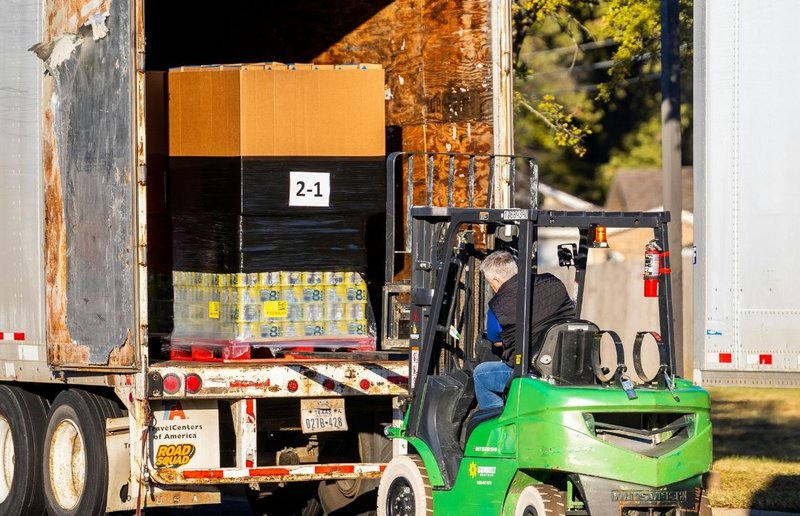
Barcode scans at the staging area validate that the staged products match the bill of lading. They also confirm each load’s carrier assignment and destination before the first pallet crosses the dock threshold. Asset-based trucking operations with owned fleets maintain tighter control over this handoff because driver scheduling and truck assignment fall under the same operational umbrella as the warehouse itself.
For multi-stop route loads, the shipment team will require strict sequencing discipline. Products destined for the last delivery stop load first, and items for the first stop load last. Reversing this sequence forces drivers to rehandle freight at every intermediate stop. Doing so can introduce product damage risk and consume delivery window buffers that the route plan can't absorb.
Integrating Warehouse and Shipping with Upstream Operations
Late pick wave releases starve the packing area of completed orders, which means staging teams can't prepare shipments before the carrier’s arrival. Cross-dock workflows compress this timeline by routing inbound freight directly to outbound staging without intermediate storage.
Warehouse Management System (WMS) to Transportation Management System (TMS) integration connects warehouse order completion data with carrier appointment systems in real time. When the WMS marks an order as packed and staged, the TMS confirms the carrier appointment and triggers driver dispatch automatically. This data bridge eliminates the phone calls and manual status checks that slow the outbound handoff between warehouse execution and carrier pickup.
Bills of lading, packing lists, and carrier manifests that don't reconcile exactly create freight claims, delivery rejections, and costly return shipments once the truck clears the gate. Pre-departure document verification at the dock door closes this gap before discrepancies enter the carrier's network.
Upstream picking discipline, dock scheduling rigor, and carrier communication must operate in sync for the outbound handoff to hold under daily volume pressure. Contact us and we’ll help optimize the warehouse-to-carrier transition at your distribution facility.
Comments are closed