
Lumber distribution is one of those categories that exposes weak logistics setups fast: oversized bundles, heavy unit loads, job-site schedules, and moisture-sensitive finished products all in the same network. If your 3PL treats lumber like “just another pallet,” you’ll feel it in damage claims, missed deliveries, and higher per-unit freight cost.
For Mid-Atlantic brands, the operational target is clear: bring volume in efficiently by rail, then move it out regionally on equipment built for side-loading and construction-site delivery. That requires rail access, heavy-lift material handling, and an asset-based trucking plan that doesn’t rely on last-minute capacity shopping.
Rail-to-Truck Transloading: Lowering the Per-Unit Cost in Lumber Distribution
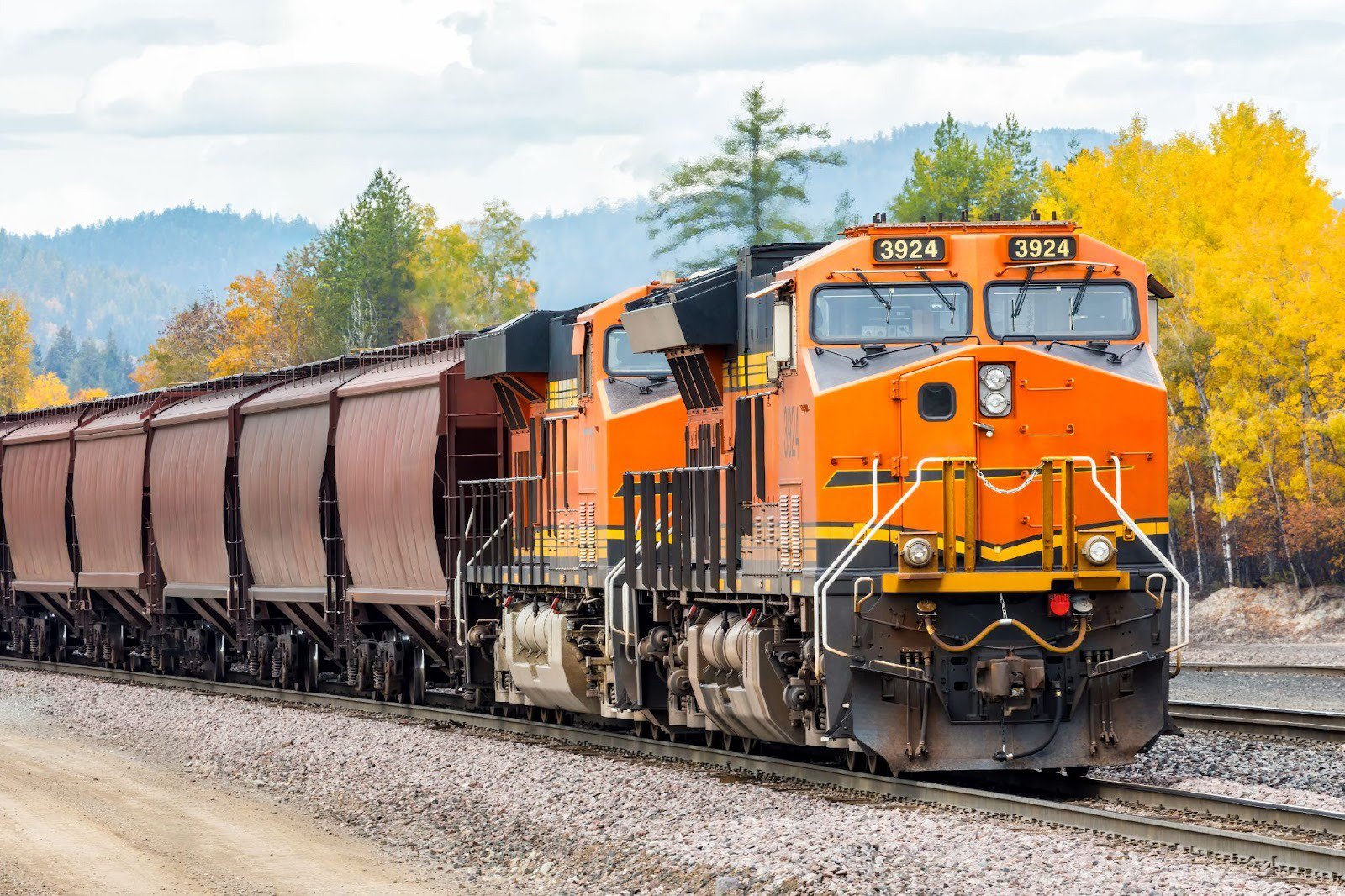
Rail is often the most practical way to move bulk lumber long distances because it can carry high volumes more efficiently than truck-only routing for heavy, lower-margin commodities. The key is rail-to-truck transloading: receive center-beam railcars, break bulk in a controlled flow, and stage inventory for regional release.
Lansdale operates rail-served facilities with access to two Class I railroads (CSX and Norfolk Southern) plus daily last-mile service provided by a short line railroad. That combination supports repeatable inbound planning and day-to-day switching that keeps product moving, not sitting. It also places inventory in the center of the East Coast “Megalopolis” of roughly 90 million people, which matters when your buyers are spread across dense consumer and construction markets.
A typical transload flow looks like this:
- Railcar arrival and placement on the siding
- Unloading into secure staging or direct transfer to outbound equipment
- Grade/lot capture at receipt so inventory is saleable by spec
- Release to outbound flatbeds or curtain-sides based on delivery plan
Specialized Handling: Protecting the Integrity of the Grain
Lumber distribution isn’t one product category; it’s multiple handling profiles that demand different storage and equipment rules. Raw or pressure-treated lumber can tolerate outdoor storage strategies that finished millwork cannot. Flooring, cabinetry, trim, and architectural wood products are hygroscopic, so they need “dry-stack” conditions with stable humidity to reduce warping and dimensional change.
Handling equipment makes the difference between smooth flow and damaged bundles. Longer units (16’ and up) require heavy-duty forklifts and attachments that support the load without bowing, crushing edges, or splitting banding. Side-loaders, wide-carriage forklifts, and purpose-built forks help move long bundles safely through aisles and dock lanes.
Inventory discipline matters here too. Grades, mill IDs, and lot attributes drive job-site acceptance and customer specs. A WMS process that captures those attributes at receiving and maintains them through picking reduces “wrong grade/wrong mill” errors that trigger returns and re-deliveries.
Final-Mile Delivery: The Asset-Based Fleet That Keeps Job Sites Moving
Construction schedules don’t forgive uncertainty. If a site crew is waiting on material, the cost is labor downtime and resequenced work. Asset-based transportation reduces the handoffs that create missed appointments and “no truck available” surprises.
Lansdale operates its own fleet and runs regional routes across Delaware, Eastern Pennsylvania, Maryland, New Jersey, Southeast New York, and Southern Connecticut. That lane density cuts empty repositioning and supports more predictable service windows. For lumber distribution, specialized flatbed and curtain-side equipment also matters because side-loading is often the safest and fastest way to handle oversized bundles that don’t fit through standard dry van doors.

Here are the job-site realities a dedicated regional fleet can address:
- Deliveries to tight urban and suburban corridors where access planning is required
- Drop strategies that reduce on-site congestion and unload time
- Consistent equipment specs (deck height, tie-down points, load securement practices)
- Fewer “carrier swaps” that change arrival timing at the last minute
Location: A Mid-Atlantic Lumber Hub With a Real Buffer Strategy
A strong lumber network uses staging as a tool, not a last resort. Southeastern Pennsylvania works as a practical hub for reaching Philadelphia, New York City corridors, and Baltimore/DC lanes without treating every delivery like a long-haul event.
This also supports inventory buffering. Lumber pricing and job schedules don’t move in lockstep. Brands often need a surge location to hold stock when sites delay, when phased projects require staged releases, or when buying programs bring inventory in bulk. A rail-served hub with heavy-lift capability lets you carry that buffer close to end markets instead of paying long-haul truck premiums multiple times.
What to Look for in a Lumber Distribution Partner
The table below outlines the operational requirements that typically separate general storage providers from a 3PL built for lumber distribution.
| Requirement | What It Looks Like On The Floor | Why It Matters To The Shipper |
|---|---|---|
| Rail access and siding | Center-beam railcar receiving and switching cadence | Lower inbound cost and steadier replenishment |
| Heavy-lift handling | Forklifts and attachments built for long units | Less bundle damage and safer moves |
| Flatbed/curtain-side capacity | Side-load friendly equipment and securement practices | Faster loading/unloading and fewer constraints |
| Dry-stack storage for finished wood | Controlled indoor conditions and storage rules | Fewer warps, rejects, and claims |
| Lot/grade visibility in WMS | Receipt attributes maintained through pick/ship | Fewer spec errors and returns |
Build a Stronger Lumber Distribution Plan Foundation
Lumber distribution is too heavy, too long, and too sensitive to run through a generalist model. Rail-to-truck transloading, specialized handling equipment, and an asset-based regional fleet are what keep per-unit economics under control while protecting product quality from railcar to job site.
Looking to tighten lumber distribution across the Mid-Atlantic and Northeast? Contact Lansdale Warehouse to discuss rail-served transloading, dry-stack storage for finished wood, and regional flatbed/curtain-side delivery backed by an asset-based fleet and Customer Driven Logistics™.
Comments are closed