

Pick, pack, and ship work depends on more than speed. It also depends on compliance labeling, order accuracy, and a warehouse process that keeps each step aligned from picking through release. When one part of the flow breaks down, delays, rework, and chargebacks can follow.
That risk grows when brands serve large retailers, mixed sales channels, or customers with strict routing and packaging rules. A missed label, wrong carton mark, or packing error can slow the order before the shipment even leaves the dock. Strong compliance labeling helps protect the full flow, not just the final package.
A strong pick, pack, and ship process relies on clear labeling rules, accurate picks, controlled packing steps, and clean release checks. When those parts stay aligned, orders move faster and with fewer avoidable errors.
Pick, Pack, and Ship Starts With Clear Labeling Rules
The pick, pack, and ship process breaks down quickly when labeling rules are unclear. Teams need to know which labels apply, where they belong, when they must be added, and how they connect to the order profile. Without that clarity, small mistakes can spread into bigger fulfillment problems.
A strong pick and pack process helps support that kind of accuracy from the start. Mixed-channel orders, retailer compliance labeling, and customer-specific requirements often call for a workflow built around the product and the downstream rules. More flexibility can make that easier to manage.
Compliance Labeling Protects More Than the Carton
Compliance labeling does more than make the package readable. It helps the order move through the next stage without extra friction. A correct label supports receiving, routing, scan checks, and customer acceptance. A bad one can create a hold, a rejection, or a correction step that slows the full order cycle.

Many fulfillment programs now serve more than one order type at the same time. A warehouse may handle retail orders, wholesale replenishment, and direct shipments in the same operation. Strong pick and pack discipline, backed by more flexibility, helps keep those flows separate when packaging and labeling rules change by channel.
Pick, Pack, and Ship Flow Depends on Process Control
Fast fulfillment depends on repeatable process control. Teams need clear steps for picking, packing, labeling, checking, and releasing. When those steps vary too much by shift or by order type, accuracy drops and rework starts to build.
The challenge grows when fulfillment programs handle more than one type of order at the same time. Retail compliance shipments, customer-specific packs, and standard replenishment orders can all require different checks before the shipment is ready to move. Without a controlled process, small mistakes can spread across the full pick, pack, and ship flow.
Strong quality standards in specialized warehousing support cleaner execution by reducing wrong-item picks, missed status updates, and avoidable shipping errors. In a pick, pack, and ship environment, that kind of structure helps teams stay accurate even when volume increases or customer requirements become more detailed.
Catching Pick, Pack, and Ship Errors Before Orders Leave
In a pick, pack, and ship operation, small errors can move fast once an order reaches the final stages. A missed label, wrong carton detail, or unchecked exception can slip through if teams do not catch it before release. That makes visibility part of quality control, not just order tracking.
The right view helps teams confirm status, review exceptions, and fix issues while the order is still inside the workflow. Better order status and exception tracking can make it easier to spot a labeling problem, pause the release, and correct the shipment before it creates a larger downstream issue.
Mixed-Channel Fulfillment Makes Accuracy More Important
A simple carton flow is one thing. Mixed-channel fulfillment is another. Retail compliance orders, subscription shipments, and customer-specific packs can all introduce different rules for labeling, inserts, carton builds, or ship methods. That is where the pick, pack, and ship process becomes more complex and more important to control.
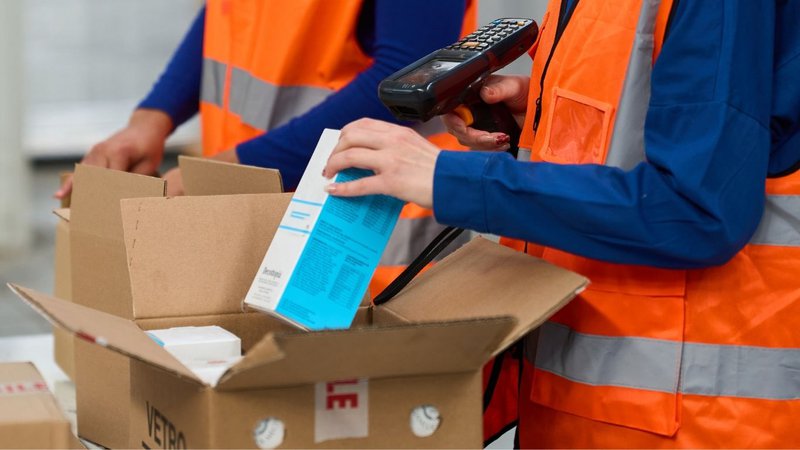
Channel-specific order profiles, compliance labeling, and packaging differences can shape the way a fulfillment program needs to run. More flexible D2C fulfillment can make those differences easier to manage without adding confusion to the order flow.
Speed Improves When Extra Handling Drops Out
Some pick, pack, and ship delays do not come from the order itself. They come from extra touches inside the warehouse. The product may wait too long, move through too many staging points, or sit between steps while teams sort out labeling or release issues. Each extra handoff adds time and another chance for error.
Cleaner flow matters because extra handling adds time and creates more room for error. In the right order profile, tactical cross-docking can help reduce unnecessary transfer points and days on hand. The same thinking applies to fulfillment, where fewer touches make pick, pack, and ship work easier to control.
Keeping Fulfillment Ready for More Complex Orders
Compliance labeling works best when it is built into the pick, pack, and ship process from the start. Clear rules, accurate picks, strong checks, and better visibility all help orders move with less rework and fewer avoidable delays. That makes the full fulfillment flow easier to manage as order complexity grows.
Retail-ready fulfillment depends on more than speed alone. It depends on order accuracy, labeling discipline, and warehouse execution that stays consistent under pressure. If you want to reduce labeling errors, improve order flow, and support smoother fulfillment performance, talk to us about refining your pick, pack, and ship process.
Comments are closed