
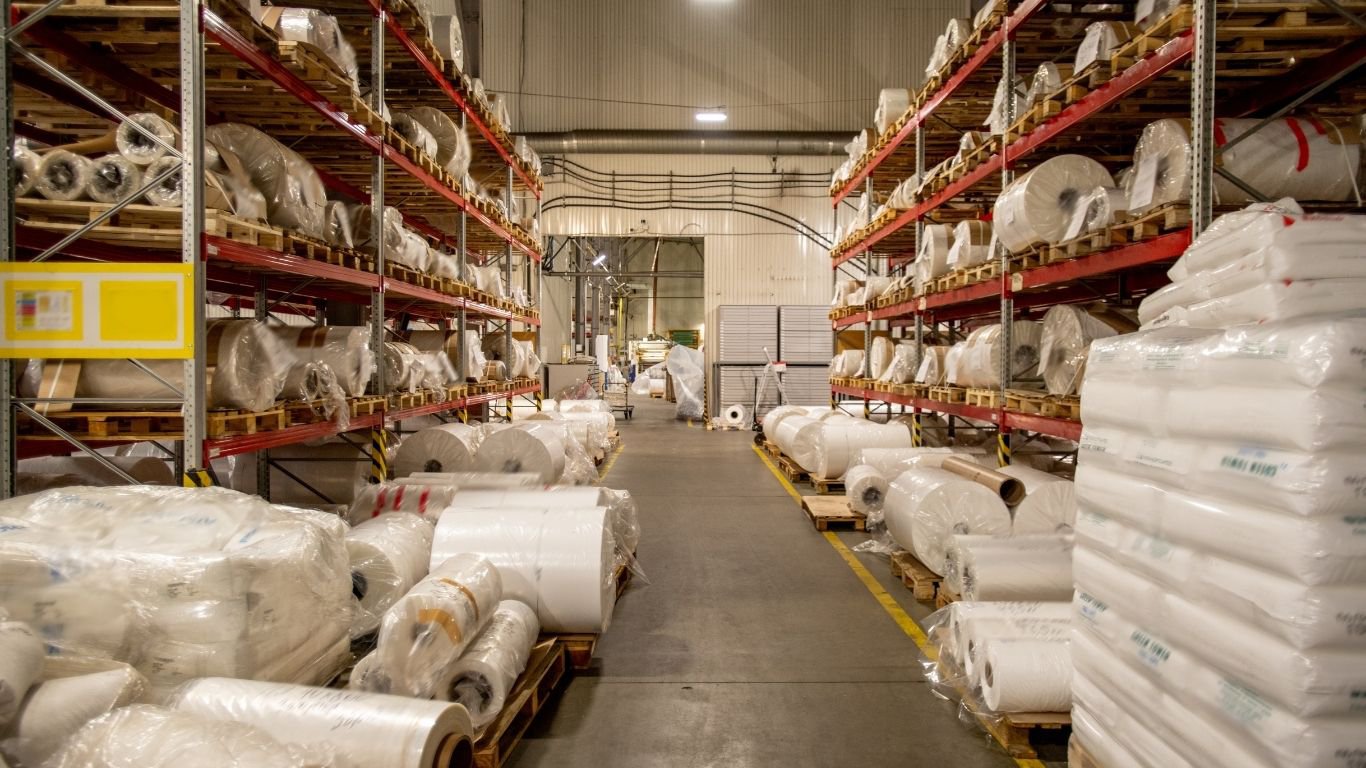
The paper industry depends on steady and accurate distribution. Paper products often move in large volumes, and shipping costs can rise fast when too much freight relies on trucks alone. For many companies, a better model combines rail for long-distance moves with warehouse support that keeps products moving on time and with fewer errors.
Rail is not just another shipping option. It can help paper companies control transportation costs, improve planning, and reduce pressure from changing trucking rates. The goal is not to replace trucks in every lane. The goal is to use rail where it adds value and keep trucks for routes that need speed and flexibility.
Why Rail Fits the Paper Industry
Rail works well for the paper industry because many paper products are heavy, dense, and shipped in larger volumes. Those traits often make rail a practical choice for longer hauls. That matters for manufacturers, converters, and distributors that need to manage costs without weakening service.
Paper distribution also brings several challenges at once. Companies need to move freight efficiently, protect product quality, and keep enough inventory in the right place to meet customer demand. As rail industry growth continues to shape freight planning, rail becomes a stronger option for paper shippers that want better long-haul stability.
Turning Rail Savings Into Real ROI
Rail savings do not come from transportation alone. They depend on the warehouse, the handling process, and the outbound plan. If inbound freight is delayed, staged poorly, or handled the wrong way, the savings from rail can disappear quickly.
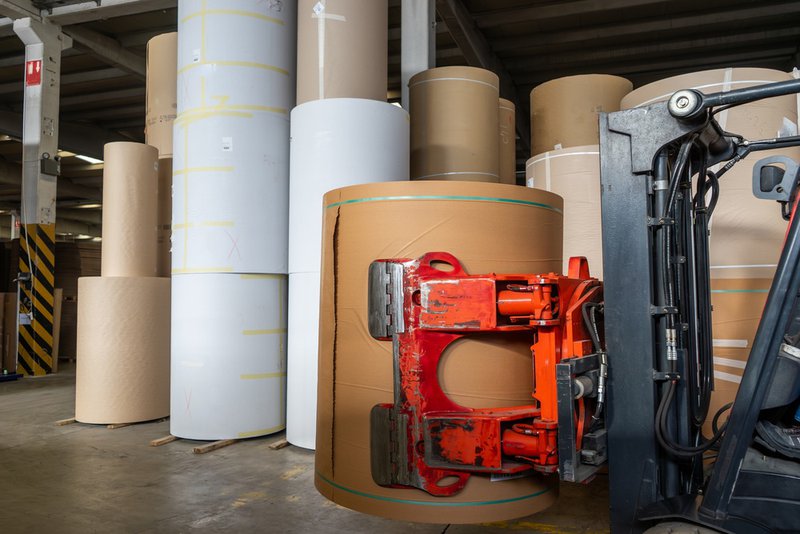
In the paper industry, many paper products need careful handling and accurate inventory control. Roll paper, packaging materials, and palletized goods all need a process that protects product condition while keeping orders ready to ship. The operation also needs to support labeling, order prep, and timely release of outbound freight.
Rail-supported warehousing creates real value at this stage. When teams use intermodal efficiency and transloading, they can lower inland transportation costs and still keep flexibility in how the product moves through the network.
A practical review often comes down to a few business questions:
- Are shipment volumes large enough to benefit from rail economics?
- Does the product require specialized handling equipment?
- Can cross-docking or transloading reduce delays in the network?
- Would just-in-time support improve order flow and space use?
Answers to these questions can help paper shippers decide whether rail fits their network, product mix, and service goals. They can also show where warehouse support, handling capability, and timing control can have the biggest impact on cost and performance.
Improving Visibility and Accuracy Across Distribution
Transportation savings only matter if inventory stays accurate. In the paper industry, shipping mistakes can create real costs. A wrong order, damaged load, or inventory mismatch can hurt customer relationships, increase labor, and drive up avoidable freight spend. That is why visibility and process control are part of cost-effective distribution.
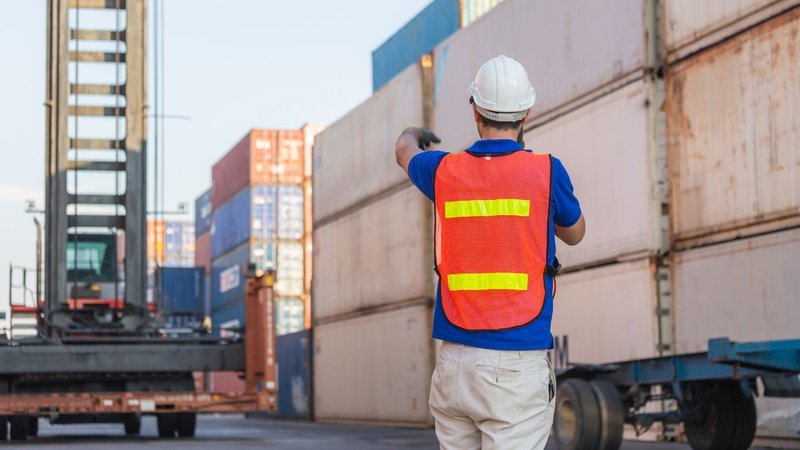
Strong operators support rail service with systems that help customers track inventory and orders clearly. Better digital transparency through EDI and online portals gives teams a clearer view of inventory movement, order flow, and exceptions before they become bigger service issues.
That visibility becomes even more valuable when it is backed by strong quality standards, including ISO 9001 as well as FDA and AIB-certified locations. For businesses in the paper industry that support regulated or quality-sensitive customer environments, those standards can strengthen confidence in the logistics strategy.
Why Location Matters for the Paper Industry
A strong rail strategy becomes even more useful when the warehouse is in the right market. Location affects transit options, final delivery cost, and how quickly products can move into high-demand regions. That makes Lansdale’s Northeast position an important part of the story.
The company highlights its location in the center of the Megalopolis, with access to a dense consumer and business market of about 90 million people. Being positioned near major East Coast ports and dense consumer markets helps companies shorten the final delivery leg while still using efficient long-haul transportation upstream.
Rail access adds another advantage. Lansdale is served by two Class I railroads and supported by daily last-mile service from a short-line railroad. For the paper industry, that combination can improve routing flexibility, support regional replenishment, and create a better balance between cost and responsiveness.
Turning Rail Access Into Better Paper Distribution
The best rail plan is not only about lower freight rates. It is about building a shipping model that supports careful handling, steady flow, and reliable delivery into key markets. In the paper industry, that kind of structure can help reduce avoidable disruption while keeping product moving with more control.
Long-haul paper movement becomes easier to manage when rail access, handling discipline, and regional reach work together. Request a distribution review with us to identify ways to improve timing, reach, and cost control across your paper shipments.
Comments are closed