

Sending a replacement can cost the shipper more than the original pick error, not including return freight and customer service time. In retail supply chains, a chargeback can also often exceed the value of the original order. For operations managers running high-volume fulfillment, mispick prevention is not a quality initiative. It is a margin issue.
Zero-error fulfillment is not a single tool or process. It comes from layering the right controls at the right points in the pick-pack-ship workflow. Knowing where a mispick happens, and why, is the first step toward stopping one.
Where a Mispick Actually Starts
Most warehouse mispick events trace back to one of three root causes. The first is poor location discipline. When pickers rely on memory rather than system guidance because slotting rules go unenforced, errors follow. Systems, when properly maintained, don't rely on memory.
The second cause is no check at the point of pick. A picker who selects an item without scanning it has no real-time way to catch a mistake. The error travels through packing and shipping before anyone finds it. By then, the cost of fixing it has multiplied.
The third cause is process drift. Over time, teams build informal workarounds that move away from documented steps. Those workarounds add variability, and variability drives errors. A warehouse that doesn't audit its own pick process will see error rates climb without a clear cause.
The Technology Layer That Prevents a Mispick
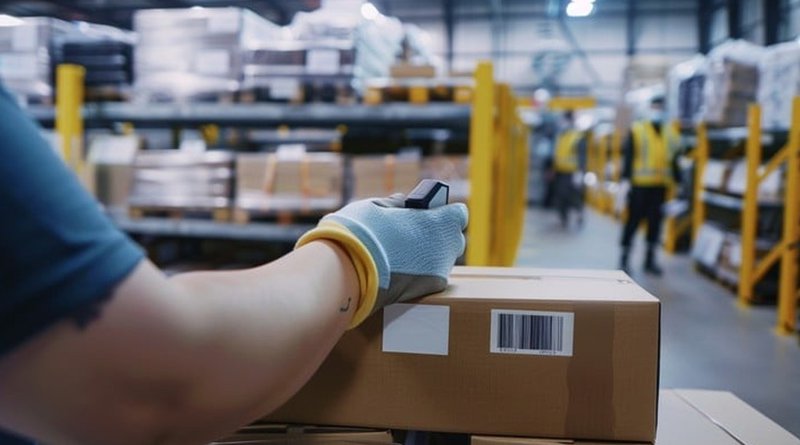
Radio frequency (RF) scanning is the most direct tool for mispick prevention. When pickers scan each item at the point of selection, the warehouse management system (WMS) checks the pick in real time. A wrong item triggers an alert before it reaches the pack station. That single step removes the largest source of error in most operations.

Mobile barcode scanners extend that check to inbound inventory. Receiving teams scan items on arrival, and the system confirms receipt against the original order. That accuracy at the front end protects pick accuracy through the full inventory cycle.
Real-time online inventory access reinforces both layers. When internal teams can view live stock levels, location data, and order status, problems surface faster. Errors that might otherwise reach the customer get caught while fixing them is still low cost.
The Process Layer That Sustains Zero-Error Fulfillment
Technology prevents errors at the point they occur. Process discipline prevents them from becoming systemic. The two work together, and neither is enough alone.
Compliance labeling is one clear example. When labels go on correctly and consistently, scanning works as designed. When placement drifts, scan rates drop, manual overrides increase, and errors follow. Keeping label compliance tight is not a one-time setup task. It takes ongoing discipline across every shift.
Cycle counting is another key control. Regular physical checks of inventory against system records catch gaps before they affect outbound orders. A 3PL that runs daily cycle counts with trained, dedicated staff treats accuracy as a standing operational standard rather than an annual event. Industry benchmarking from WERC confirms that order accuracy rates at top-performing distribution centers consistently exceed 99.9%, a bar that requires both technology and process discipline to maintain.
ISO 9001 certification ties both disciplines together. The standard requires that procedures get written down, followed consistently, and reviewed for improvement. When a mispick occurs in an ISO-certified operation, the response follows a clear path: find the root cause, fix the process, verify the correction. That loop stops a single error from becoming a pattern.
How Lansdale Warehouse Builds Zero-Error Fulfillment
Lansdale Warehouse Company (LWC) runs pick-pack-ship operations across five facilities totaling more than 500,000 square feet in Montgomery County, Pennsylvania. Every outbound order goes through RF scanning at the point of pick, using mobile barcode scanners that check item selection in real time.
LWC's WMS supports real-time inventory views for all customers, giving operations and procurement teams live access to stock levels, order status, and movement history. That transparency cuts the lag between when an error occurs and when someone spots it.
LWC's ISO 9001 certification governs how pick processes get written up, run, and reviewed. When process drift occurs, the ISO corrective action framework catches it through a structured review before a customer complaint surfaces the problem.
For eCommerce and direct-to-consumer fulfillment, LWC connects directly with Amazon FBA, Shopify, and ShipStation. Those links keep order data and inventory records aligned across channels, which cuts the data mismatch errors that cause a mispick in multi-channel operations.
LWC serves a consumer corridor of roughly 90 million people, within 100 miles of three major East Coast ports. For brands running high-volume fulfillment across the Mid-Atlantic and Northeast, that location shortens correction cycles and limits exposure when errors do occur.
Building a Mispick-Free Operation
Zero-error fulfillment is achievable. But it takes an honest look at where current processes break down. The right questions: Where in the pick-pack-ship flow do errors most often start? Does the operation check picks at the point of selection or only at the point of shipment? Do documented steps actually run on the floor, or have workarounds taken over?
A 3PL with RF scanning, WMS integration, ISO 9001 certification, and daily cycle counting answers all of those questions before they become customer complaints.
Every mispick is preventable. The tools that stop them are well understood. The variable is whether your logistics partner has built them into daily operating practice.
To learn how Lansdale Warehouse's fulfillment systems and certified processes can support your accuracy targets, contact the team.
Comments are closed