
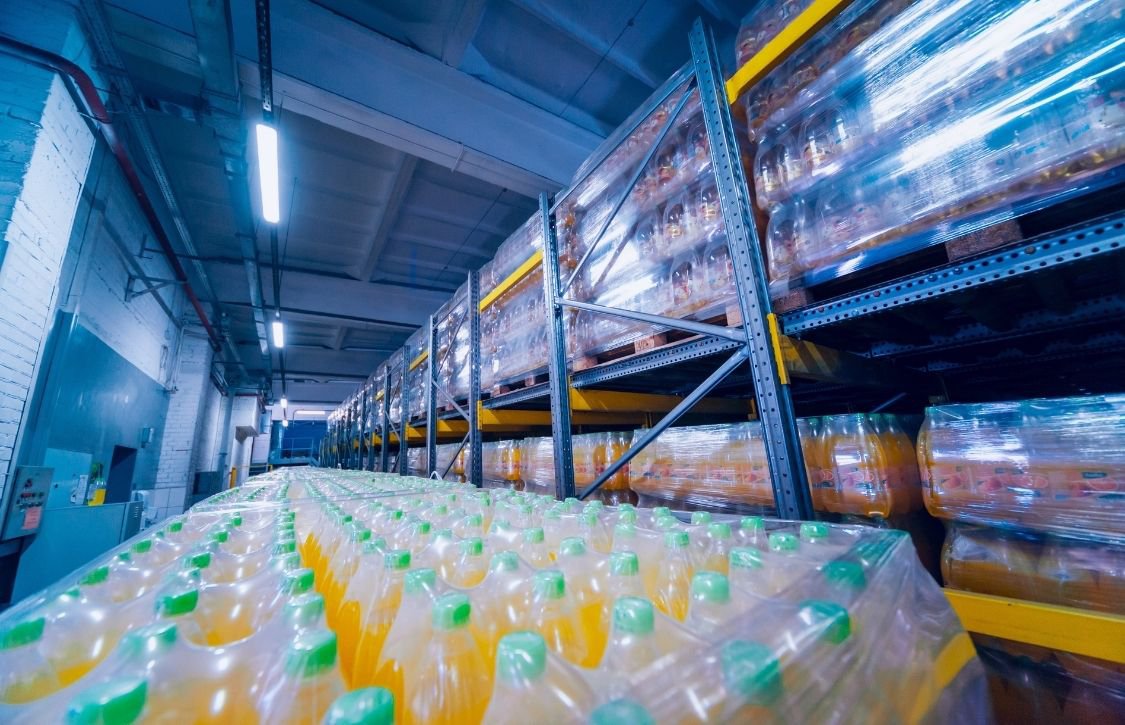
Few categories carry the mix of pressure points found in beverage logistics. Glass breaks, cans dent, and alcohol regulations vary by state and channel. Facility teams must protect product quality while keeping paperwork ready for constant audits.
A single compliance gap can trigger fines, recalls, or a lost customer contract. Sanitation, documentation, and safe handling all need equal attention from every shift. Strong beverage logistics programs treat compliance as a daily habit, not an annual project.
Regulatory Layers Inside Beverage Logistics
Beverage brands face two separate compliance tracks at nearly every facility. Food safety rules apply broadly, while alcohol adds tax and licensing requirements on top. Beverage logistics teams need clear procedures that satisfy both sets of expectations at once.
What Makes Beverage Logistics Compliance Complex?
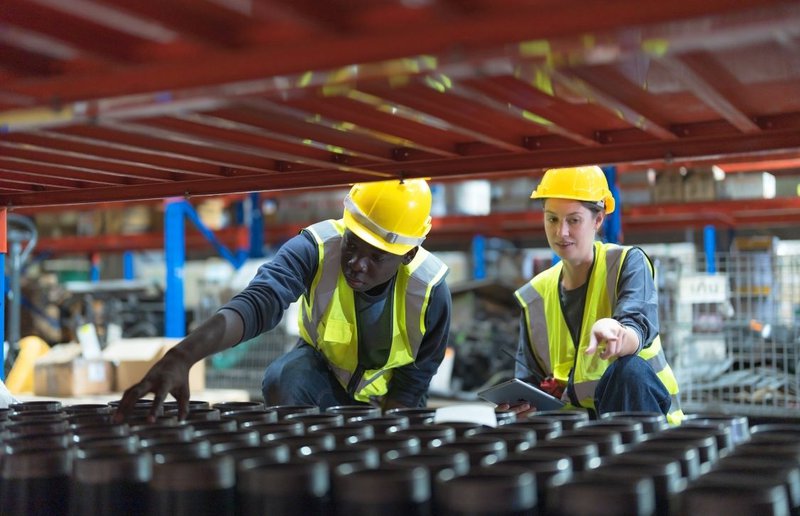
Beverage logistics compliance is complex because food safety and alcohol regulations apply at the same time. Sanitary transport rules govern how product moves, while state alcohol boards govern tax and licensing status. Facilities must document both tracks thoroughly to pass customer and government audits. Common compliance requirements include the following areas:
- Sanitary transport practices for equipment, training, and records
- State-specific licensing and tax documentation for alcohol products
- Lot and date tracking to support recalls or targeted holds
- Seal and chain-of-custody controls for high-value SKUs
Facilities that store both beverage and food-grade products often carry extra certification. A food-grade, ISO9001-certified facility can support both regulatory tracks under one roof. Clear labeling and record retention reduce the risk of mismatched shipments and failed audits.
Safety Practices That Protect Product and People
Beverage handling creates unique physical hazards on the warehouse floor. Heavy pallets, wet surfaces, and broken glass all raise injury risk during busy shifts. A strong safety program treats these hazards as routine, not as rare exceptions. Facility teams should build safety habits around a few core practices:
- Spill response kits staged near high-traffic beverage aisles
- Clear traffic lanes separating pedestrians from powered equipment
- Standard wrap and bracing rules for dense, heavy pallets
- Scheduled inspection of racking under high-weight beverage loads
Training matters just as much as physical infrastructure inside these facilities. New hires need hands-on instruction before they handle full beverage pallets alone. Supervisors should also track near-miss incidents to catch problems before an injury occurs. A well-run cross-dock program can reduce touches and lower breakage risk for fragile beverage packaging.
Documentation and Audit Readiness
Beverage customers often run strict vendor scorecards tied to compliance performance in their supply chain. Missing paperwork or inconsistent records can trigger chargebacks or a lost contract renewal within months. You should treat documentation as a daily discipline rather than a scramble before an inspection day.

Strong beverage logistics programs maintain detailed records across several key categories every single day. Receiving and inspection logs flag problems early, while lot tracking connects inbound units to outbound orders for full traceability. Temperature and sanitation logs apply wherever needed, and exception reports on damages, shortages, and label mismatches create a reliable paper trail for auditors.
Real-time inventory visibility makes audit preparation far less stressful for busy operations teams. As a result, your staff spend less time reconstructing shipment history under tight deadline pressure. Clean records also speed up customer audits and reduce the chance of costly disputes later.
Training Teams to Sustain Beverage Logistics Standards
Strong procedures fail quickly without a team trained to follow them on every shift, so new hires need structured onboarding before they handle glass, cans, or bonded alcohol product. Refresher training keeps veteran staff sharp as customer requirements and regulations continue to change. For example, a durable beverage logistics training program builds hands-on practice into spill response and breakage procedures, with documentation walkthroughs tied to lot tracking and seal controls reinforcing habits learned in the classroom.
Seasonal refreshers ahead of high-volume promotional periods help crews handle sudden spikes in demand. However, clear ownership for updating procedures matters whenever regulations shift or a customer's needs change. Supervisors should observe the floor regularly instead of relying only on training records alone.
Gaps between written policy and daily practice often explain recurring compliance findings during customer audits. Facilities that invest in ongoing training see fewer repeat issues during regulatory reviews and renewals. In turn, your teams stay audit ready long after the onboarding period ends.
Partner With Lansdale Warehouse for Compliant Beverage Logistics
Beverage brands need a partner who treats compliance as a core operating standard. Lansdale Warehouse holds ISO9001 certification along with FDA- and AIB-certified locations across its network. Such a structure supports both food safety and alcohol compliance under one program.
Our team can help you design a beverage logistics plan built around your product mix and customer requirements. Contact us to discuss a compliant storage and fulfillment program for your brand.
Comments are closed