
A broken chain of custody on a single lot can trigger regulatory holds and customer chargebacks. Even worse, it can lead a company to lose its trading partner authorization. End-to-end traceability in picking connects every scan, handler, and timestamp into a continuous, auditable record that prevents these outcomes. For supply chain directors and quality managers at companies handling regulated or high-value goods, this traceability is the evidence layer supporting every compliance claim the organization makes.
Traceability Starts in the Warehouse
Every item entering the warehouse must link to a purchase order, a supplier, and a lot or batch identifier at the point of physical intake. The data sequence happens as follows:
- Radio Frequency (RF) scanning at the receiving dock captures this data the moment the pallet crosses the threshold.
- The Warehouse Management System (WMS) assigns a storage location and timestamps the putaway event.
- Global Standards 1’s Global Traceability Standard defines these receipt-level data captures as Critical Tracking Events (CTEs).

Each CTE records who handled the product, what it was, where it went, and when the move happened. Skipping any of these fields at receipt creates a gap that no downstream process can fill. Lot codes, expiry dates, and serial numbers all tie to the receiving record once RF validation locks them into the system. Every subsequent move references this original data set. If the chain doesn't start at receiving, it doesn't start at all.
Building End-to-End Traceability into the Pick Process
Capturing which operator picked which item from which bin for which order creates the pick-level record that auditors and regulators expect to see. A basic WMS confirms that the correct SKU left the shelf. A traceability-enabled WMS goes further by confirming the lot, quantity, timestamp, and the picker's ID in a single transaction.
Pickers scan the bin location first then scan the item barcode after. The system cross-references both scans against the order and the lot record. A mismatch triggers a rejection before the item leaves the aisle. Mispick elimination programs rely on this exact two-scan sequence to keep error rates near zero.
Meanwhile, pulling less than a full case from a bin creates a split-lot condition that the WMS must update against the correct lot immediately. Without this update, the next picker might pull from an undocumented balance. As a result, the lot-level record becomes unreliable. Consequently, the downstream end-to-end traceability breaks at the point where the documentation should be strongest.
Extending End-to-End Traceability Through Pack and Ship
Compliance labeling workflows at the packing station verify that each packed unit matches the pick record and the customer's label specifications. It also checks if the pack carries any required regulatory markings. Barcode scans then confirm contents against the order and generate a shipping label tied to the carrier, destination, and tracking number. Each printed label adds another verified link in the documentation chain.
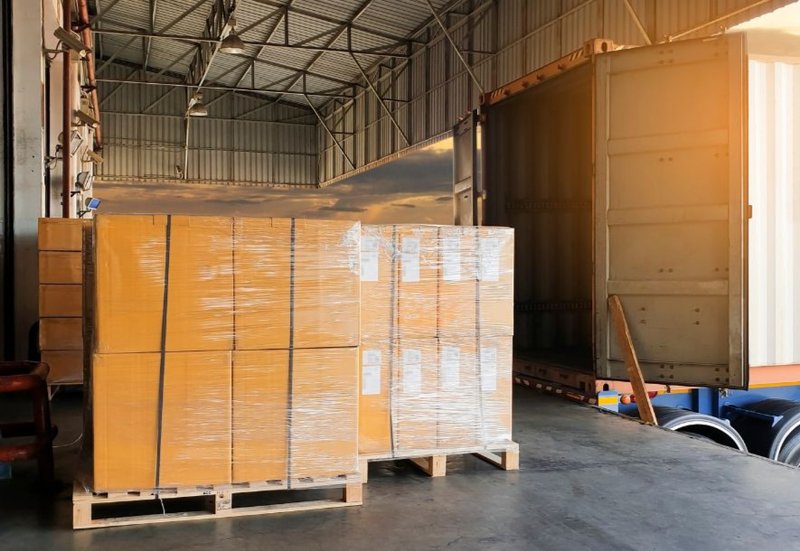
Next, the shipping dock captures the processing time, which dock door processed the shipment, and which carrier accepted it. For temperature-sensitive goods like pharmaceuticals, this final timestamp anchors the required chain-of-custody record. The FDA's Drug Supply Chain Security Act (DSCSA) mandates interoperable, electronic tracing of prescription drugs at the package level through every stage of distribution. This makes scan-level documentation at ship a federal compliance requirement for pharmaceutical supply chains.
Why Full Traceability Requires Asset-Based Infrastructure
A facility that owns its scanners, racking, and WMS controls the entire data capture environment from receiving dock to outbound door. Gaps in scanning coverage or inconsistent barcode quality create holes in the traceability trail that surface during audits and recalls.
ISO 9001 certification builds this consistency into the operational framework by requiring documented, auditable processes at every stage. Certified facilities integrate traceability into receiving, storage, handling, and shipping as a standard operating condition rather than a compliance overlay added after the fact.
Brand owners outsourcing to a 3PL with end-to-end traceability infrastructure receive a documented chain of custody. The 3PL maintains the scanning hardware, the system configuration, and the trained labor. The brand owner receives traceability data through Electronic Data Interchange (EDI), portal access, or direct Application Programming Interface (API) feeds. Every scan, timestamp, and handler record from dock to dock either builds the accountability trail or leaves a gap in it. Contact us so we can help your organization build a traceability framework that holds up under any audit or recall.
Comments are closed