

You can adopt material handling automation without a massive robotics budget or a multiyear overhaul of your distribution center. Many of the best returns come from small, targeted upgrades that remove repetitive touches and manual data entry. Savings from the first project can then fund the next one, building momentum across a single operating year.
Labor shortages, rising order volumes, and tighter retailer compliance windows put steady pressure on every warehouse floor you manage. Quick wins give your team relief without disrupting daily operations or forcing a complete rethink of your layout. Below, you will find five practical opportunities, how each one pays back, and how to measure the results.
Why Material Handling Automation Starts With Small Wins
Large automation projects stall when leaders try to solve every bottleneck with a single capital request. Smaller upgrades target one painful task, prove their value quickly, and build support for bigger investments later. You also reduce risk, since each step fits your current systems and staff instead of replacing them.
First, look for places where your team walks, types, or touches a product more than once. Every duplicated touch adds labor cost, slows throughput, and opens another chance for a picking error. Once you map those touches, material handling automation priorities become obvious and easy to defend in budget meetings.
For a broader view of how larger systems fit together, review our guide to automated material handling systems. With the full landscape in mind, you can choose the entry point that matches your current order volume.
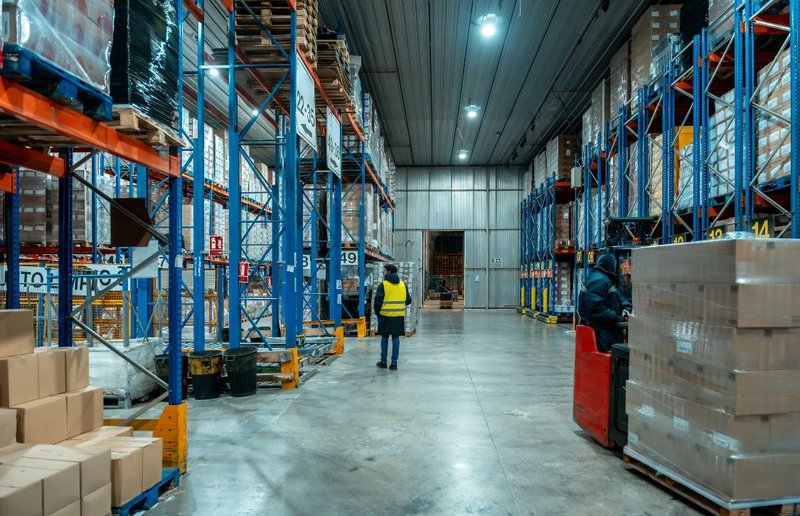
Next, score each opportunity by labor hours saved, error reduction, and expected return on investment (ROI). Projects that rank high on savings and low on disruption belong at the top of your list. Then assign an owner and a target date so your first win moves from idea to floor quickly.
1. Barcode Scanning as Your First Material Handling Automation Step
Barcode and radio frequency (RF) scanning replaces paper checklists with handheld devices that capture every move instantly. Your team scans a location, scans the item, and confirms the task without typing a single digit. As a result, keying errors drop and your warehouse management system (WMS) receives real-time inventory data.
Scanning also costs less than most material handling automation upgrades, since rugged handhelds and software licenses scale gradually. You can start with receiving, then extend devices to putaway, picking, and shipping as confidence grows.
Scan data also feeds tighter inventory control, especially when you pair it with a continuous cycle counting strategy. Accurate counts, in turn, reduce stockouts, emergency freight, and the write-offs that erode your quarterly margins. Instead of annual shutdowns for physical counts, you verify small sections daily while orders keep moving.
Next, set clear scanning rules so every associate follows the same steps at each workstation. Short training sessions and on-device prompts help new hires learn the workflow within their first few shifts. Once scanning runs smoothly, you gain the clean data every later automation project depends on.
2. Gravity and Powered Conveyors
Gravity and powered conveyors handle the repetitive moves that pull pickers away from their assigned aisles. Instead of pushing carts to packing, your team drops totes onto a line and keeps picking. Gravity rollers cost little to install, while powered sections move heavier loads across longer distances.
Start by mapping your highest-traffic travel paths, such as picking zones to pack stations. Then place short conveyor runs where walking time eats the most labor hours each shift. Modular sections also let you reconfigure the layout as your material handling automation needs grow.
When volume outgrows fixed lines, autonomous mobile robots (AMRs) can take over long transport runs between zones. Inbound flow matters too, and our overview of rail transloading benefits shows how rail cuts early handling. Fewer touches upstream mean fewer touches for your conveyors and robots to manage downstream. Before launch, add simple safety guards and emergency stops to every powered section on the line. Your team will trust the new equipment faster when they see protections built into the design.
3. Pick-to-Light Systems and Put Walls
Pick-to-light systems guide workers with lit indicators that show which slot to pick from next. Each light displays a quantity, and your picker presses a button to confirm the task is complete. As a result, you remove paper lists, reduce searching, and raise accuracy on fast-moving items.
Put walls apply the same idea in reverse, sorting batch-picked items into individual customer orders. Your picker grabs a full batch at once, then a lit wall shows where each unit belongs.
Both tools suit ecommerce operations that ship many small orders with one to five lines each. Because training takes minutes, seasonal staff can reach target speeds without weeks of shadowing experienced pickers. In addition, you can install lights on existing shelving instead of buying new racks or carts.
Begin with your fastest-moving stock keeping units (SKUs), since they generate most of your daily picks. Once accuracy improves there, you can expand the lights to slower zones with confidence. For many shippers, pick-to-light becomes the most visible material handling automation win on the floor. Workers see the difference on day one, which builds support for the next upgrade you propose.
4. Automated Print-and-Apply Labeling
Print-and-apply labeling machines attach compliant shipping labels to cartons automatically as they travel down the line. Your WMS sends order data to the printer, and the applicator places each label in the same spot. Consequently, your packing staff stops peeling, matching, and hand-placing labels on every outbound box.
Retailers enforce strict label placement and data rules, and small mistakes lead to costly chargebacks. Automated labeling protects your margins because every carton leaves with correct, scannable information in the right place. Meanwhile, your carrier partners scan packages faster, which speeds pickups and reduces delivery exceptions.
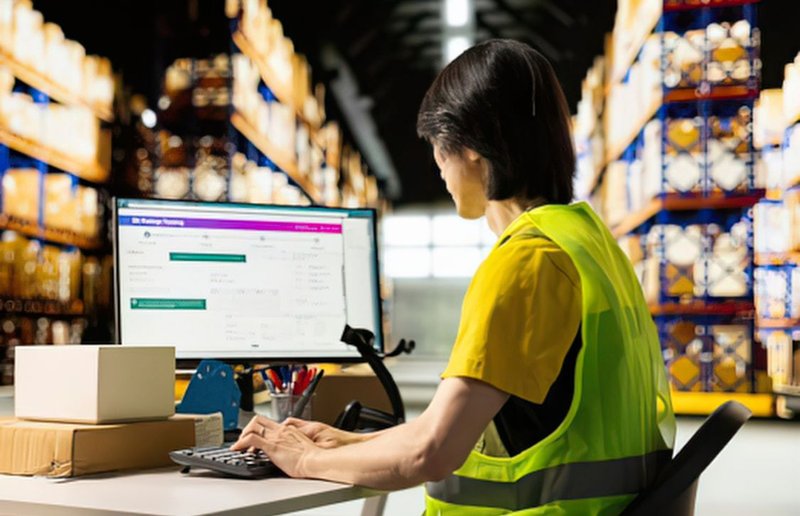
Pair the labeler with an inline scanner that verifies each label before cartons reach the dock. Any unreadable label diverts to a review lane, so bad shipments never leave your building.
Labeling works best after you install conveyors, since the machine needs cartons moving at steady intervals. In other words, each material handling automation step prepares your floor for the next one in the sequence. Track chargeback totals for three months before and after launch to confirm the savings. You can then compare those avoided penalties against the equipment cost to show a clear payback period.
5. Dimensioning and Weighing Stations
Dimensioning and weighing stations capture carton length, width, height, and weight in a few seconds. Carriers bill by dimensional weight, so a tape measure guess can quietly inflate your freight costs. Automated readings send exact figures to your shipping software, which prevents surprise billing adjustments later. The same station also catches picking errors, since an unexpected weight flags a missing or extra item. Your team fixes the order at packing instead of hearing about it from an unhappy customer.
Plus, accurate dimensions help you choose right-sized boxes and cut wasted void fill. Over months, that data also improves slotting, cube utilization, and trailer loading plans across your network. If you prefer to test material handling automation before buying equipment, a flexible partner can help you pilot faster. Learn why the smaller third-party logistics (3PL) advantage means quicker decisions and closer collaboration on process changes.
Better yet, our Pennsylvania facilities sit within 100 miles of three major East Coast ports. Shorter inbound lead times give you more room to test, refine, and scale each new process.
Find Your First Material Handling Automation Win With Lansdale Warehouse
You do not need a fully robotic facility to see real gains in speed, accuracy, and labor efficiency. Start with one repetitive task, measure it carefully, and let the results guide your next investment. Small, steady upgrades compound into a faster and more resilient operation that serves your customers better.
Since 1958, our family- and veteran-owned team has helped shippers modernize with Customer Driven Logistics and specialized equipment. We can review your workflows, flag the easiest opportunities, and support your growth as volume increases. Contact us today to map out the first material handling automation win inside your operation.
Comments are closed