
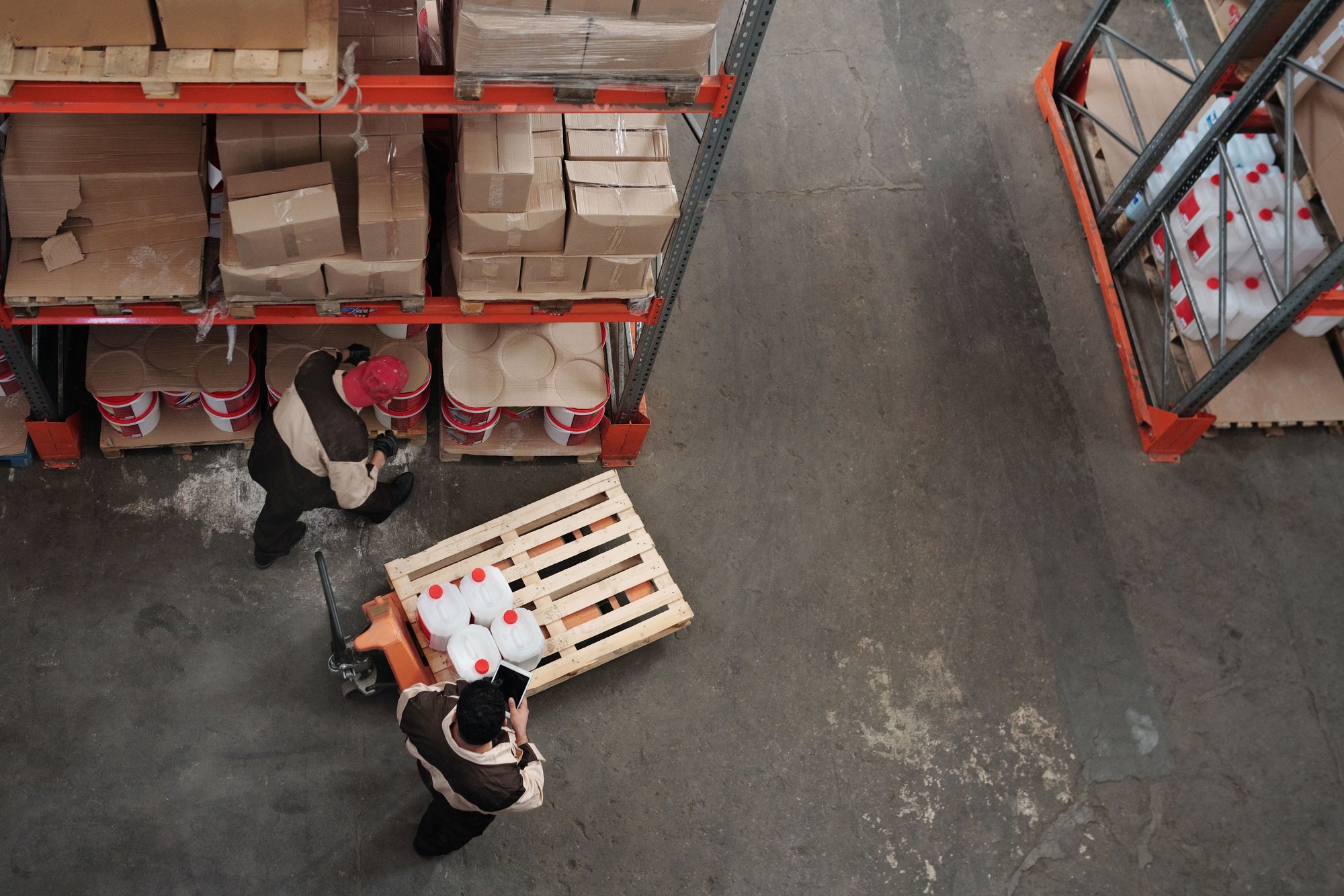
Automation used to feel like an all-or-nothing bet. You either rebuilt the entire warehouse or kept doing everything by hand. That thinking no longer holds up. Today, the smartest material handling automation solutions grow in modules, one proven step at a time. This approach protects your capital and keeps daily operations moving while you scale. It also lets real performance data guide every new investment.
Why Modular Material Handling Automation Solutions Outperform Big-Bang Projects
Large, all-at-once automation projects carry real risk. They tie up capital for years before payback arrives. They often require long shutdowns during installation. Worse, they lock you into volume and SKU assumptions that may shift next year.
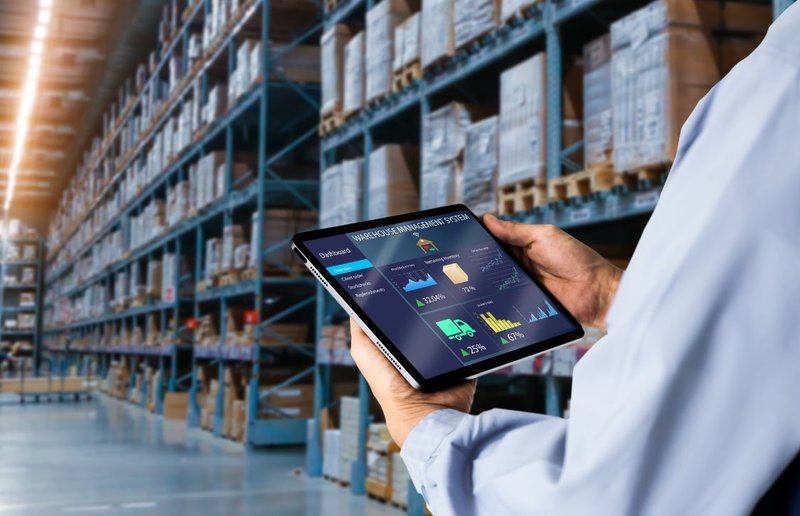
Modular systems flip that equation. You invest in the bottleneck that hurts most today. Then you measure results before funding the next phase. This keeps ROI visible and defensible at every budget review.
Industry spending confirms the shift. Market Glass expects global warehouse automation to reach $57.8 billion by 2030, up from $22.1 billion in 2024. Upgrades are a big part of that story. Control Engineering's 2026 automation research adds useful context. For over one-fifth of respondents, upgrades alone took up 21% or more of annual capital spending. In other words, companies are improving what they already own. This overview of investing in automated material handling systems shows where early dollars pay off fastest.
Start With a Data Foundation Built on RF Scanning
Hardware gets the headlines, but data makes automation work. Every conveyor, sorter, or robot depends on accurate inventory and location records. Without that foundation, automation simply moves errors faster.
For most operations, phase one starts with the humble RF device. Handheld scanners capture every receipt, putaway, pick, and shipment in real time. ABI Research projected warehouse handheld devices would grow from over 7 million in 2020 to 23 million by 2030. ABI also recommends equipping manual workers with digital devices while introducing automation for basic movement tasks.
Before adding mechanized equipment, lock in these fundamentals:
- Barcode and LPN labeling that gives every pallet and carton a scannable identity.
- Real-time RF scanning at every touchpoint to close paper-based gaps.
- Clean location data with verified bin, rack, and zone assignments.
- Routine cycle counts that keep system and physical inventory aligned.
This guide to implementing LPN labels shows how labeling alone can speed up internal moves. These steps cost far less than robotics. Yet they often unlock the biggest accuracy gains in the building.
A Phased Roadmap for Scaling Material Handling Automation Solutions
Once your data is reliable, your material handling automation solutions can expand as volume demands. A typical progression looks like this:
- Phase 1: RF scanning, labeling, and WMS-directed tasks.
- Phase 2: conveyors, pick-to-light, or print-and-apply labeling in high-volume lanes.
- Phase 3: autonomous mobile robots or goods-to-person picking systems.
- Phase 4: AI-driven orchestration that balances labor, robots, and order waves.
Your product mix should shape every phase. Electronics teams, for example, often research the best ESD-compliant electronics containers for shipping. Any tote or conveyor system you add must protect those static-sensitive goods, too. Beverage brands evaluating 3PL alcohol storage face a different priority. They need tight lot, date, and compliance control at each touchpoint. Food and pharmaceutical shippers must also meet FDA traceability expectations.
Integration matters just as much as equipment. Each new module must share data with your WMS and ERP. Otherwise, every phase creates another manual workaround. This breakdown of ERP and WMS integration explains why disconnected platforms quietly drain efficiency.
How an Asset-Based 3PL Supports Modular Growth
Not every company needs to build its automation roadmap alone. The right partner gives you access to mature systems without the capital burden. Many leaders start with a quick search for warehouse companies. A better filter is ownership. Asset-based providers control their facilities, equipment, and systems directly.
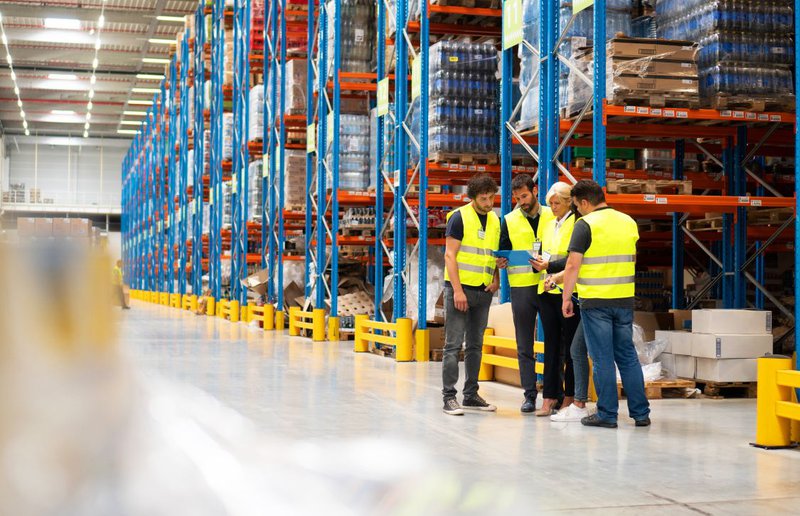
Lansdale Warehouse has worked this way since 1958. The family- and veteran-owned company runs its own facilities, truck fleet, and specialized material handling equipment. Those technologies protect inventory and shipping accuracy at every step. ISO 9001 certification supports consistent quality, while FDA- and AIB-certified locations serve food and pharmaceutical shippers. Customers gain online access to inventory and orders, plus EDI connectivity. Services flex as you grow, from pick-pack and compliance labeling to cross-dock and just-in-time support. It all reflects a Customer Driven Logistics™ philosophy that keeps your needs first.
Location adds even more flexibility. Lansdale sits at the center of a 90-million-person megalopolis, within 100 miles of three major East Coast ports. Two Class I railroads serve the area, and a short line railroad provides daily last-mile service. That rail access supports cost-efficient transloading for heavy and bulk freight. A partner with proven material handling automation solutions absorbs phase-one risk, so you can scale capacity as demand changes. Explore the full range of warehousing services to see how each capability fits your growth plan.
Let's Build Your Automation Roadmap Together
You don't have to automate everything at once to see real results. We'd love to help you find the right first step and grow with you from there. Our team will walk through your volumes, product mix, and goals alongside you. Together, we can shape a phased plan that fits your budget and serves your customers well. Reach out to our team today, and let's plan your next phase of modular automation growth.
Comments are closed