
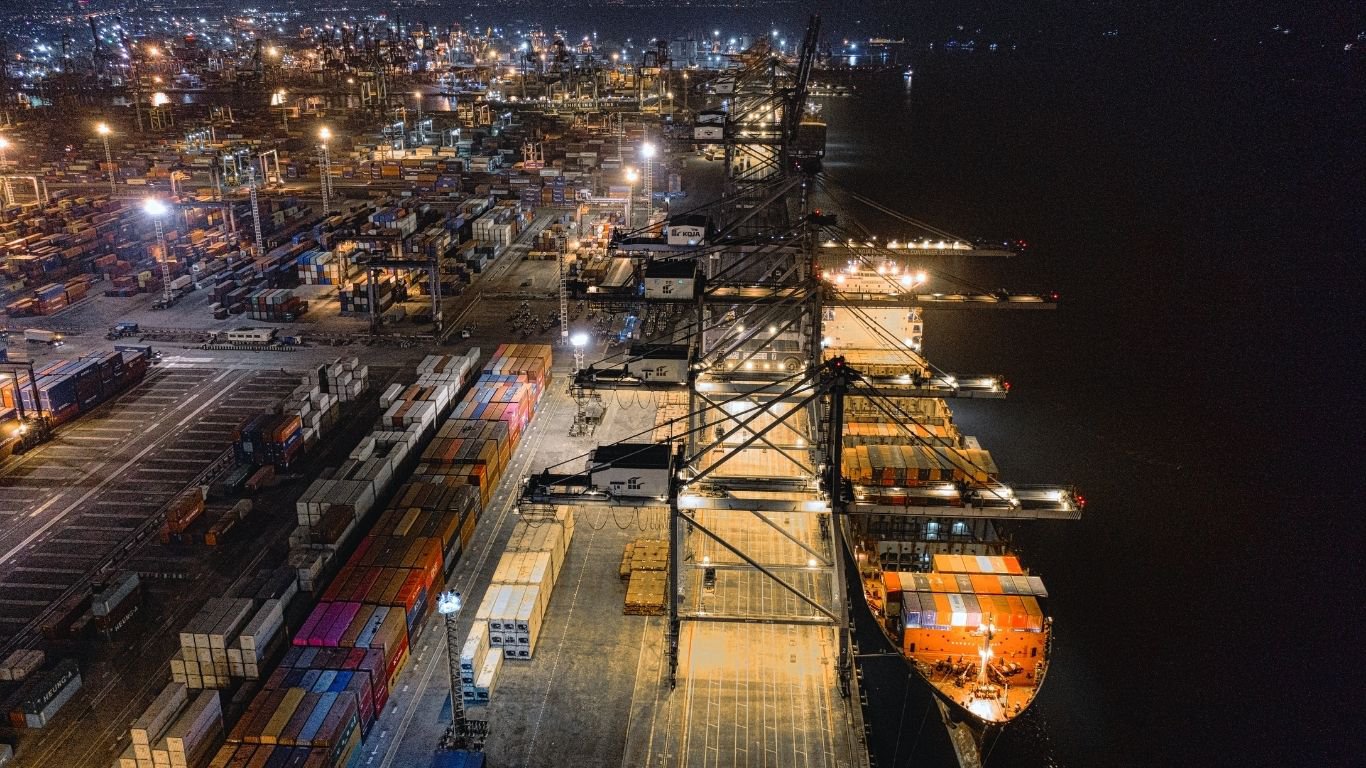
Supply chain efficiency starts with location. A warehouse does more than store products. It also connects inventory to ports, rail access, delivery lanes, and major customer markets. When inventory is positioned well, teams can shorten lead times, reduce extra handling, and respond faster when demand changes.
Proximity to a megalopolis—or sprawling city-to-city region—matters because location can shape both cost and service. In a dense corridor where millions of consumers and businesses depend on steady product flow, a strong position gives shippers more than convenience. It gives them a better chance to move freight with fewer delays and fewer wasted touches.
Strong supply chain efficiency depends on location, connectivity, and execution working together. When inventory sits closer to where it needs to go next, teams gain more options for inbound flow, regional replenishment, and outbound response.
Supply Chain Efficiency Starts With Positioning
A warehouse may have good systems and strong labor support, but the wrong location can still create friction. Extra miles, slower port access, and longer final-mile movement all add time between receipt and delivery. Those delays can weaken supply chain efficiency even when the warehouse itself runs well.
Positioning plays a major role early in the logistics strategy. A site near major gateways and dense demand centers can help businesses reduce transit waste before the first order is even picked. Being close to major East Coast ports and dense consumer markets, such as the I-95 megalopolis corridor, supports that kind of planning by making regional coverage easier to manage.
The Regional Reach Amplifier’s Effect on Supply Chain Efficiency Improvement
The megalopolis is not just a geographic label. It is a high-density corridor where speed, reliability, and market access carry more weight because customer expectations stay high. When inventory is placed inside that corridor, businesses can often serve more destinations without stretching the network too far.
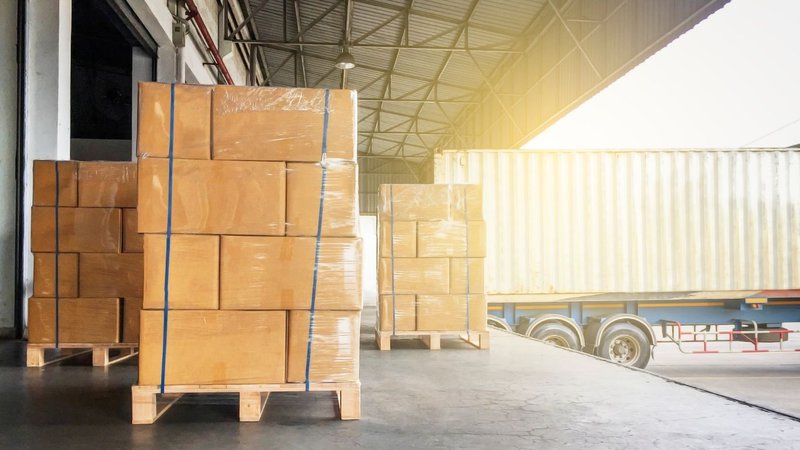
That reach can help companies balance service and cost more effectively. A better position can reduce how far product must travel after it enters the region. It can also help teams replenish faster, support shorter delivery windows, and respond more quickly when demand shifts.
For supply chain efficiency, that kind of reach does more than improve transit time. It helps the whole network work with less friction because fewer moves are wasted on distances that better placement could avoid.
Supply Chain Efficiency Gains From Port Access
A strategic warehouse position becomes even more valuable when it sits near major ports. Port proximity helps businesses shorten the inland leg after freight arrives. That can reduce both time and coordination pressure. It matters for import programs that need the product to move inland without sitting too long between steps.
The advantage grows when the warehouse can support faster transfer after receipt. More tactical cross-docking can help certain freight profiles move through the network with fewer days on hand and fewer extra touches. When position and process support each other, supply chain efficiency improves more quickly.
Rail Access Adds Another Layer of Flexibility
Location becomes even more useful when it supports more than one transportation option. A warehouse that can connect to trucks and rail gives shippers more flexibility when freight profiles, costs, or delivery priorities change. That can be a real advantage for heavier freight, long-haul inbound movement, or programs that need more routing options.
More operational flexibility can support supply chain efficiency when businesses need to balance long-haul economics with regional access. In the right network, rail access is not only a transportation feature. It is part of a broader positioning strategy that can improve resilience and reduce pressure on truck-only lanes.
Visibility Helps Good Positioning Pay Off
A strong location does not create value on its own. Teams still need clear information about what is in stock, what has moved, and what needs attention next. Without visibility, even a well-positioned warehouse can lose time through slow communication and manual follow-up.
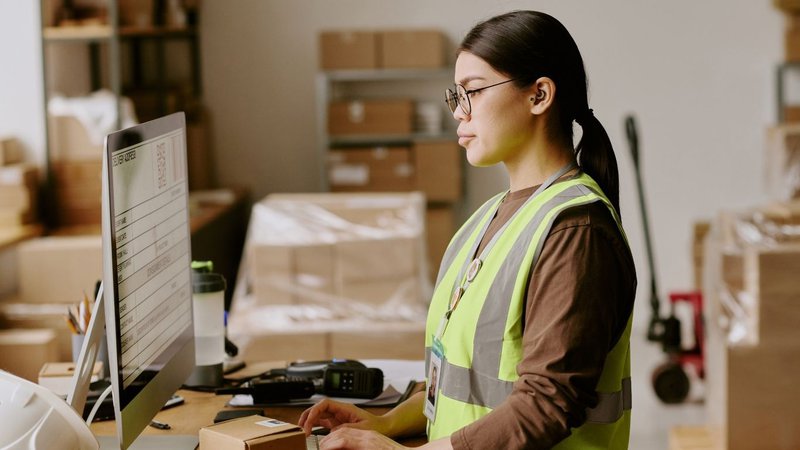
Better digital transparency through EDI and online portals helps customers and warehouse teams act on location advantage more effectively. When order status, inventory changes, and exceptions are easier to see, decisions happen faster and with less back-and-forth.
Supply chain efficiency depends on both movement and decision-making. A strong location improves freight flow, while clear visibility helps teams respond faster when plans change.
Control and Positioning Work Better Together
A strategic location is most effective when the operator behind it can support steady execution. That means consistent handling, reliable space, and enough control over the daily environment to keep service from slipping when volume rises. If the warehouse sits in the right place but the operation behind it is unstable, the location advantage loses part of its value.
Asset-based strength adds more value to a location-driven strategy. Stronger control over facilities, equipment, and infrastructure can help businesses make better use of a well-positioned network instead of depending on too many outside handoffs to keep freight moving.
Positioning That Helps the Network Move Better
Supply chain efficiency improves when location, connectivity, visibility, and execution support the same goal. The Megalopolis edge is not only about being close to a large market. It is about placing inventory where it can move into key regions with less delay and less wasted handling.
Strategic placement can improve regional reach and make distribution flow easier to manage as demand shifts. Schedule time with our team to pinpoint ways to shorten response time, strengthen market access, and make better use of your location.
Comments are closed