
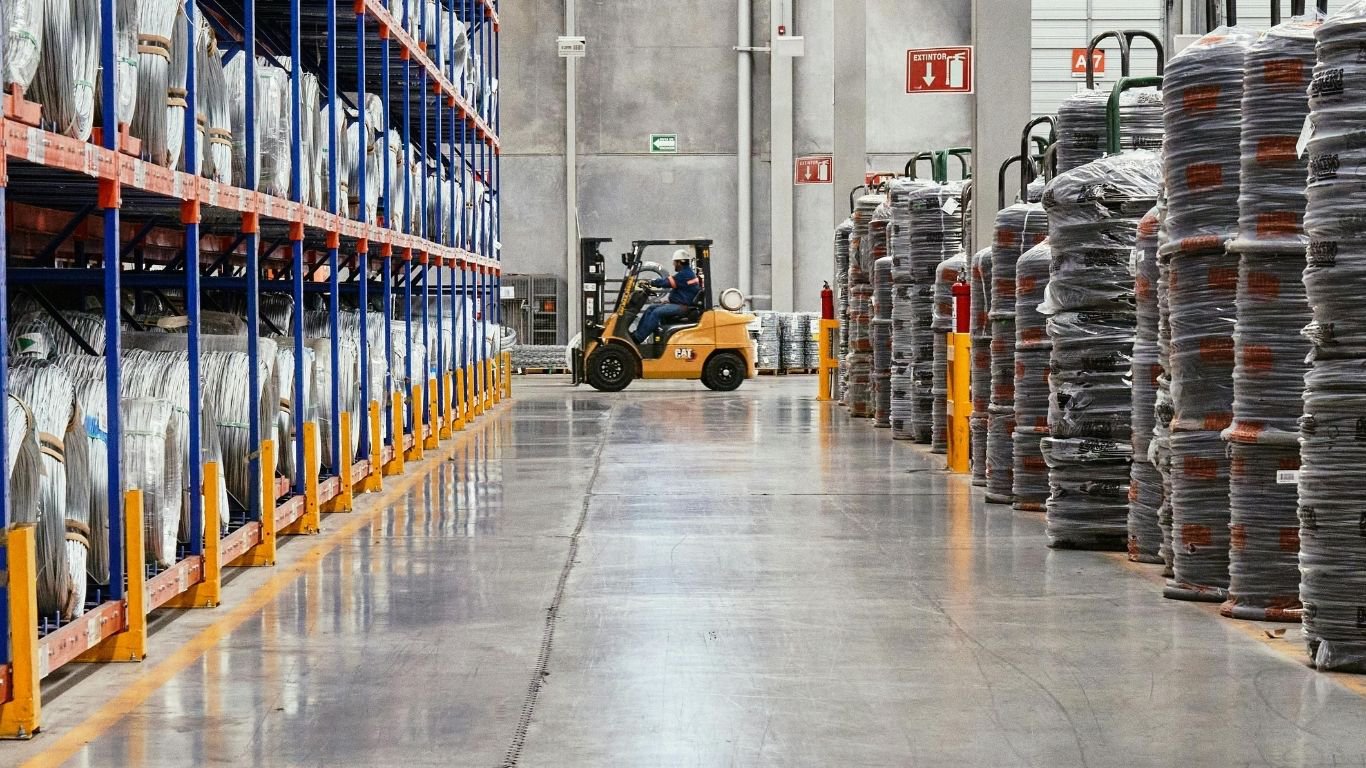
Industrial products need a storage strategy built for weight, handling risk, and compliance. Heavy loads can place more pressure on warehouse layout, equipment, and movement paths than standard inventory. Safe heavy storage depends on more than open space.
For companies that manage industrial products, poor storage decisions can create more than inventory damage. They can lead to safety risks, slower handling, compliance issues, and avoidable disruption across the operation. A stronger storage plan helps protect both the product and the people working around it.
Industrial Products Need a Different Storage Approach
Heavy storage works best when the warehouse is set up around the actual demands of the product. Some industrial products need stronger rack systems, wider spacing, lower stacking heights, or more controlled handling paths. Others require extra attention because of packaging type, movement frequency, or uneven load distribution.
Industrial products should not be treated like standard pallet inventory. A storage plan needs to reflect how the product is received, where it is placed, how often it moves, and what type of equipment handles it. More operational flexibility can help teams adjust storage strategy as product mix, volume, or customer requirements change.
Safety Starts With Storage Design
Safety problems in heavy storage often begin long before an incident happens. A tight aisle, an overloaded location, or an awkward handling route can increase risk even when staff are working carefully. Good design lowers that risk by building safer movement into the operation.
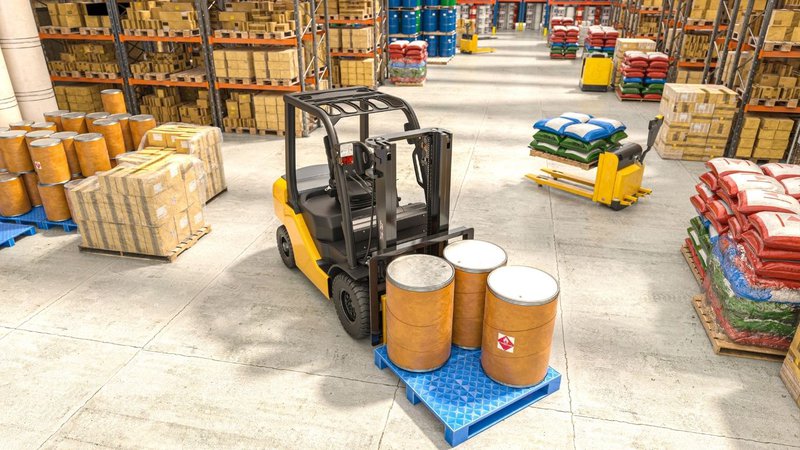
Storage design includes how inventory is slotted, how loads are spaced, and how equipment moves through the warehouse. In a heavy-storage environment, layout decisions affect both worker safety and handling speed. Clear planning also helps reduce product damage caused by repeated repositioning or rushed movement at busy times.
Safety improves further when the warehouse has enough control over its operating environment. An asset-based model can support that control through owned facilities, equipment, and infrastructure managed with tighter consistency.
Compliance Depends on Clear Process Control
Compliance in heavy storage is not only about meeting a formal requirement. It is also about creating a process that keeps handling, placement, and documentation consistent from one shift to the next. When procedures vary too much, the operation becomes harder to control and harder to audit.
Industrial products often move through receiving, storage, order prep, and outbound release under different timing pressures. Clear steps help teams maintain safe practices even when schedules tighten. Strong quality standards in specialized warehousing support that structure by linking process discipline to inventory accuracy, safer execution, and more dependable outbound performance.
Clear process control also helps managers identify weak points sooner. When storage rules, handling steps, and status checks are well defined, teams can correct small issues before they create broader compliance or safety concerns.
Equipment and Handling Rules Protect Industrial Products
Heavy storage depends on the right equipment as much as the right layout. Forklifts, attachments, floor conditions, rack capacity, and handling paths all affect whether products move safely through the warehouse. If one part of that system is not matched to the load, the risk increases quickly.
Industrial products make that risk even harder to manage because they may be dense, oversized, or harder to stabilize. The warehouse needs handling rules that fit the product instead of forcing the product into a standard process. Equipment checks, operator awareness, and clear movement procedures all help protect both inventory and facility safety.
Consistency matters here as well. Repeated shortcuts or unclear handling expectations can create damage patterns that are easy to miss until loss or safety issues start to rise. Better RFID technology integration can also support cleaner tracking across movement points, which helps teams catch handling issues earlier.
How Visibility Helps Protect Industrial Products
Heavy storage is easier to manage when teams can see where products are, what status they hold, and whether anything has changed before the next move takes place. Clear visibility helps reduce unnecessary searching, duplicate handling, and release mistakes.

For industrial products, those mistakes can be costly because the loads are often harder to reposition and more disruptive to correct. Better online portals and EDI visibility can help customers review status changes, track inventory movement, and communicate exceptions with less delay.
A clearer view also supports better internal coordination. Customer service, inventory teams, and warehouse staff can work from the same status information instead of relying on outdated updates or manual follow-up.
Space Pressure Can Turn Into Safety Pressure
Heavy storage becomes harder to manage when available space starts to tighten. Loads may be placed in less suitable locations, handling paths can become more congested, and teams may spend more time moving inventory around just to create room. That usually adds both cost and risk.
For companies managing industrial products, space pressure is not only a capacity issue. It can also weaken the controls that keep storage safe and organized. Adding space through outsourcing off-site 3PL storage can help operations protect layout quality instead of forcing crowded storage decisions. Space planning is often part of safety planning in a heavy-storage environment.
Stronger Control Makes Heavy Storage More Reliable
Protecting industrial products takes more than putting heavy inventory under a roof. Safe execution depends on layout, handling discipline, process control, and visibility that helps teams make better decisions before problems grow. When those pieces work together, storage becomes more stable, more compliant, and easier to manage.
A more controlled heavy-storage setup can make safety and compliance easier to support as volume, weight, and handling demands increase. Let’s build a stronger, more efficient storage program for your facility.
Comments are closed