
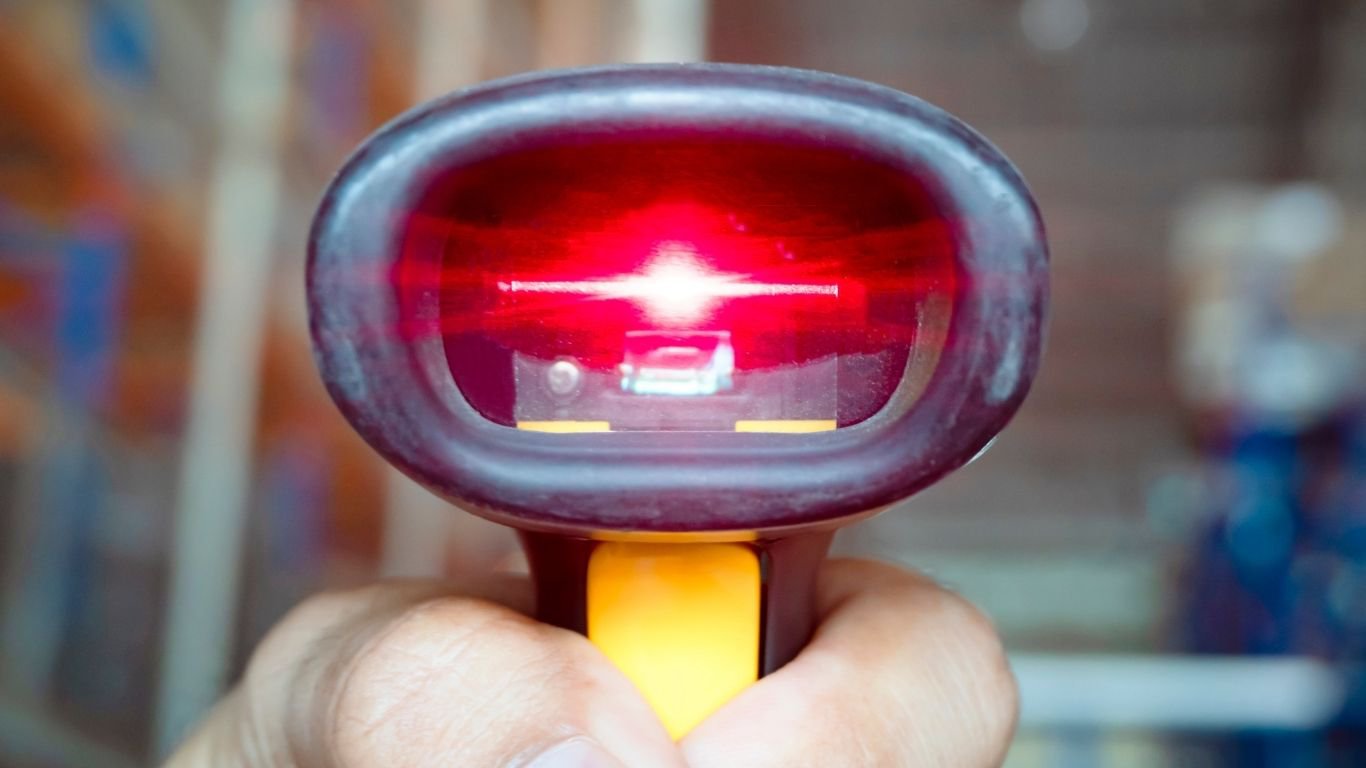
Warehouse managers often spec consumer-grade scanners to cut equipment costs. The logic seems sound: the device reads barcodes, costs less, and ships fast. But the scanners used in warehouses face conditions that no consumer device handles well. That mismatch shows up in downtime, replacement cycles, and pick errors that ripple through fulfillment.
While consumer scanners are suitable for occasional use in controlled settings, a warehouse floor works nothing like a retail checkout or office. Repeated drops onto concrete, dust ingress, temperature swings, dock moisture, and eight-plus hours of continuous trigger use all degrade a consumer device fast. According to OSHA's warehousing hazards guidance, repetitive tasks and poor equipment ergonomics rank among the leading causes of worker injury in distribution environments. A scanner that forces an unnatural grip adds risk to an already demanding role.
The Durability Gap in Scanners Used in Warehouses
Industrial scanners carry IP ratings and drop certifications that consumer devices don't reach. For example, an IP65 rating means the device is fully sealed against dust and resists low-pressure water jets. IP67 adds temporary submersion resistance. So for food processing or dock environments with regular washdowns, IP67 is the minimum, not a premium.
Consumer smartphones, even in protective cases, typically don't meet IP54, the floor for light warehouse use. Drop ratings tell the same story. Industrial scanners handle repeated drops from five to eight feet onto concrete. Consumer devices handle occasional drops from lower heights. In a high-volume pick environment, a scanner falls multiple times per shift. So a device rated for a handful of drops at one meter fails far sooner than one built for hundreds of drops at six feet.
Why Industrial-Grade Specs Matter
The performance gap grows when scan engine quality enters the picture. Industrial engines read damaged barcodes, wrinkled labels, and low-contrast print at angles and distances that consumer cameras miss. In a pick-pack-ship flow, a misread doesn't just slow the picker down. It creates an error that reaches the customer. That error, in returns, re-shipment, and account risk, costs far more than the price gap between a consumer and an industrial device.

Battery life adds another dimension. Consumer scanners last two to four hours of continuous scanning before needing a charge. Industrial devices run full shift, typically ten to twelve hours without a swap. For operations running two-shift days, battery continuity is a direct operational need. So the total cost of consumer scanners used in warehouses, accounting for mid-shift charging, replacement cycles, and error rates, runs consistently higher than the upfront cost of industrial devices.
Scan Accuracy and Inventory Integrity
Eliminating warehouse mispick errors depends on reading the right barcode the first time. A consumer device that misreads one in two hundred picks doesn't sound severe. But at five hundred picks per shift, that's two to three errors per day per picker. Across a ten-picker operation, that's twenty to thirty errors per shift before anyone catches them.
Industrial scan engines close that gap. Their decode logic handles damaged symbologies, variable lighting, and motion blur that consumer cameras miss. Additionally, RF-connected industrial scanners push each scan to the inventory system in real time. That means the record updates at the point of pick, not on a sync cycle. This is how RF inventory control systems maintain accuracy across a full warehouse floor.
Ergonomics and Worker Output
Industrial scanners hold up through all-day use. Grip contour, trigger placement, and weight distribution reduce fatigue over a full shift. Consumer devices don't account for that level of sustained use. A picker using a smartphone scanner holds it differently, angles it differently, and grips it harder. So the ergonomic load builds over a shift in ways that industrial devices specifically prevent.
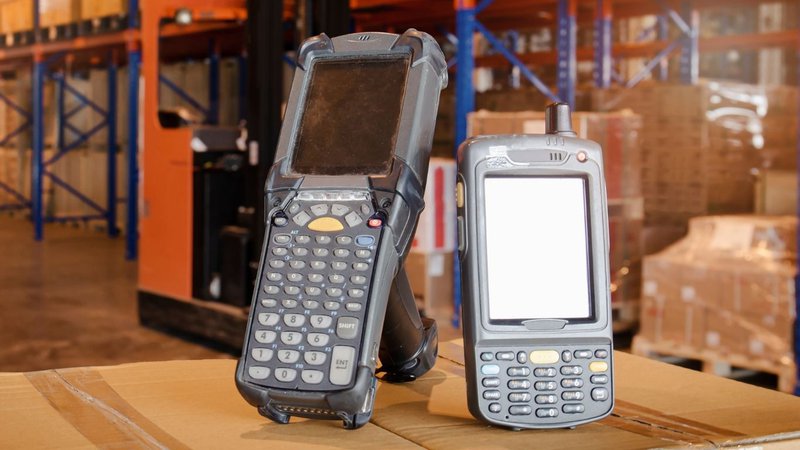
For a 3PL managing dozens of pickers across multiple shifts, that gap affects both output and liability. Fatigue slowdowns and injury claims both carry costs that don't appear on a scanner purchase order. That is why quality standards for specialized warehousing treat equipment specs as an operational requirement, not a budget line. GS1's standards for barcode and RFID data capture also define what scan engine performance looks like at the system level.
Choosing Scanners Used in Warehouses for Your Operation
The right device depends on the environment and the volume. Cold storage needs scanners rated for low temperatures. Food processing needs IP67 or higher. High-volume pick operations need fast decode engines and long battery life. For electronics and pharmaceutical categories, ESD-safe housing adds another spec layer.
In each case, the starting point is the same: match the device to the actual operating conditions. Consumer-grade scanners don't save money in professional logistics. Instead, they shift the cost from the purchase order to downtime, replacements, and error recovery.
If the scanners in your operation produce read errors, short battery cycles, or ergonomic complaints, the equipment spec needs a review. Contact us today for more information. We’ll happily walk you through what industrial-grade scanning looks like in a high-volume fulfillment environment.
Comments are closed