

Standard RFID labels often fail when exposed to extreme heat. A tag rated for 40 degrees Celsius will lose adhesion, warp its antenna, or drop read accuracy in steelworking, food processing, or industrial drying environments. For operations managers tracking assets where heat is constant, selecting the right RFID heat-resistant hardware determines whether the tracking system works at all.
The gap between a standard passive RFID tag and a heat-rated one is not subtle. Standard labels use paper or polyester substrates with adhesives built for ambient storage. Heat-rated tags, however, use engineered substrates, including PEEK polymer and ceramic composites, that hold their shape well above 100 degrees Celsius. That material difference determines whether the tag survives the environment it needs to track.
Why Standard Tags Fail in Industrial Settings
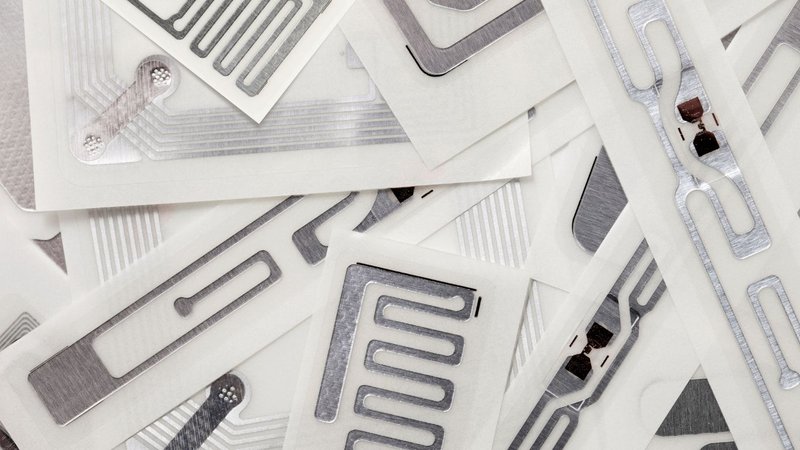
Standard RFID tags are built for controlled environments. The adhesive bond softens under heat. The antenna, a thin aluminum or copper trace on a flexible substrate, can delaminate or shift as the material expands. When that happens, read range drops. In some cases, the tag stops reading entirely.
For operations tracking assets through heat-exposure cycles, that failure is invisible until a scan comes back empty. By then, the asset has moved and the record is wrong. So the failure mode isn't just a hardware problem. It becomes an inventory accuracy problem.
What Makes a Tag Heat Resistant
Heat-resistant RFID tags share several design features. First, the substrate must hold its shape and electrical properties at high temperatures. PEEK, a high-performance polymer used in aerospace and medical work, is one of the most common materials in industrial tag construction. Ceramic and glass-fiber composites serve similar functions.
Second, the adhesive or mounting system must match the substrate. A heat-rated substrate bonded with a standard pressure-sensitive adhesive still fails when the adhesive softens. For high-temperature use, epoxy bonds, mechanical fasteners, or weld-on mounts replace standard adhesives. So the tag's temperature rating reflects the whole assembly, not just one part.
Third, the antenna design must suit the surface the tag mounts on. Metal surfaces detune standard RFID antennas. That is why on-metal tags use a ferrite or foam layer between the antenna and the surface. In high-temperature metal environments, that layer must also be heat-rated. GS1's RFID standards set the framework for encoding and interoperability that heat-resistant tags must also meet to work within a standard supply chain system.
Matching Tag Selection to the Environment
Not all heat-resistant tags suit the same conditions. A tag rated for 85 degrees Celsius handles most food processing and pharma storage settings. Tags rated for 150 degrees or higher suit steelwork, foundry operations, or autoclave cycles. So the first question is always what peak temperature the tag will actually face.
For warehouse and distribution operations, that peak is not always obvious. A shipping container in direct summer sun can reach 70 degrees Celsius inside. For operations managing specialized handling across industrial and food-grade categories, tag selection should cover the worst-case exposure, not the typical one.
How Tag Choice Affects Inventory Accuracy
The return on investment from an RFID inventory system depends entirely on read reliability. A system that scans correctly 95% of the time in a harsh environment produces more errors than a disciplined barcode system. That means the tag spec is part of the accuracy equation, not a separate hardware call.
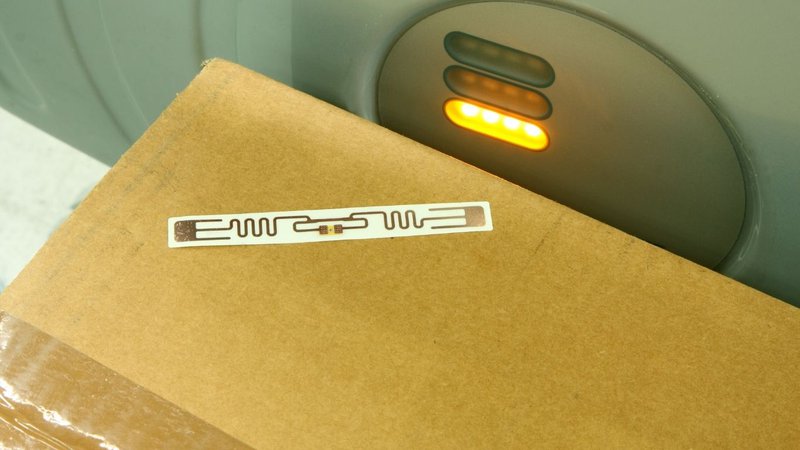
For 3PLs managing inventory across categories with mixed environmental exposure, that means keeping a tag library matched to each product type and storage zone. Standard passive tags work well in ambient, climate-controlled storage. Heat-resistant tags, instead, belong on assets that move through processing, transit, or outdoor exposure. So the system design has to account for where each tag will spend its worst hour. The standards for electronics logistics and ESD-safe storage follow the same logic: the component rating has to match the exposure, not just the intended use.
Reading Tag Specifications Before You Buy
Tag datasheets list operating temperature range, storage temperature range, and cycle rating for repeated heat exposure. These are different numbers. A tag rated to operate at 85 degrees Celsius may only survive 10 heat cycles before antenna performance drops. For assets that go through repeated processing cycles, cycle rating matters more than peak temperature.
Additionally, OSHA's guidance on heat in industrial workplaces helps calibrate the conditions tags will face on the floor. For procurement managers selecting RFID hardware for a warehouse operation with specialized quality standards, matching the tag datasheet to the actual environment comes first. The second step is confirming the tag's encoding meets GS1 EPC standards so it works within the broader inventory system without custom setup.
Selecting the right RFID tag for a harsh environment is a spec-matching exercise, not a price decision. If your current tracking system produces read errors in high-temperature zones, the tag hardware is where to start. Our team works with operations across industrial, food-grade, and mixed-environment categories. Contact us and let’s talk about what your environment requires.
Comments are closed