
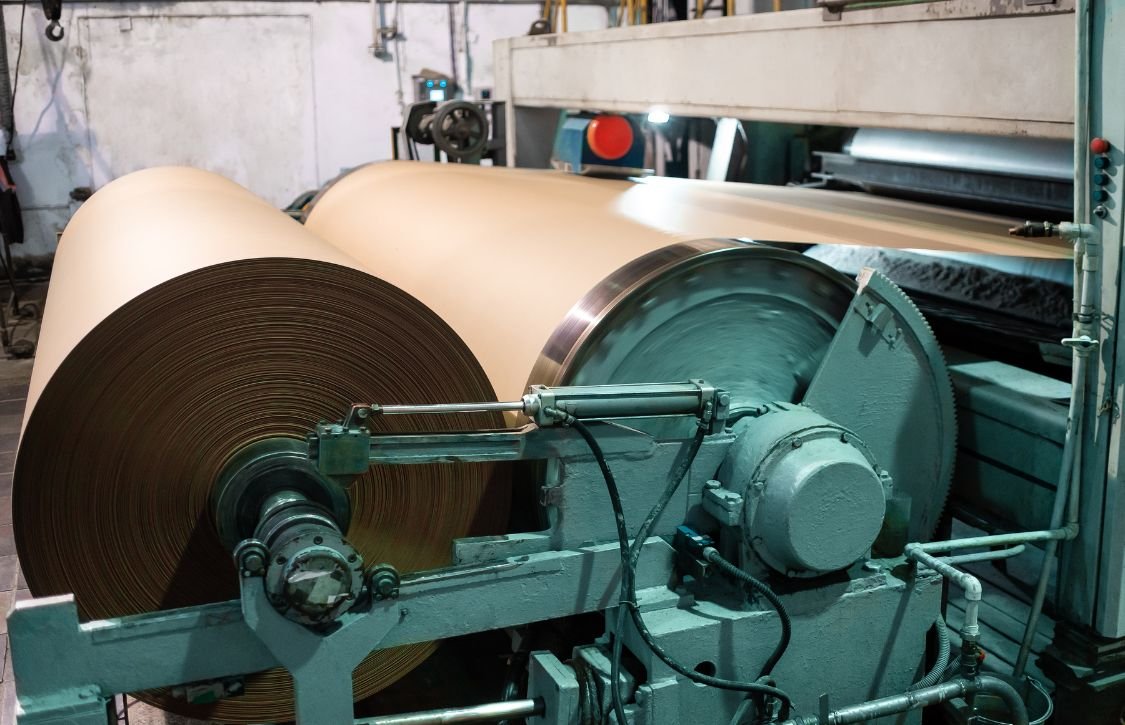
Every warehouse that touches your rolls, reams, and palletized cartons faces heavy demands from paper industry logistics. A single parent roll can weigh several tons, and one dented edge can turn premium stock into scrap. You need a storage partner who understands how weight, moisture, and volume shape every handling decision.
Mills and converters also face tight delivery windows from printers, packagers, and retail distribution centers across the region. When inbound railcars, outbound trucks, and inventory counts drift out of sync, your costs climb fast. Our team at Lansdale Warehouse has refined high-volume paper storage since 1958, and we share what works here.
Why Paper Industry Logistics Starts With Rail Inbound Planning
Most mills move bulk tonnage by rail, so paper industry logistics starts at the siding instead of the dock. Boxcars carry far more weight than trucks, which lowers your cost per ton on long inbound lanes. Without a live siding and trained unloading crews, demurrage fees stack up while product sits on the track.
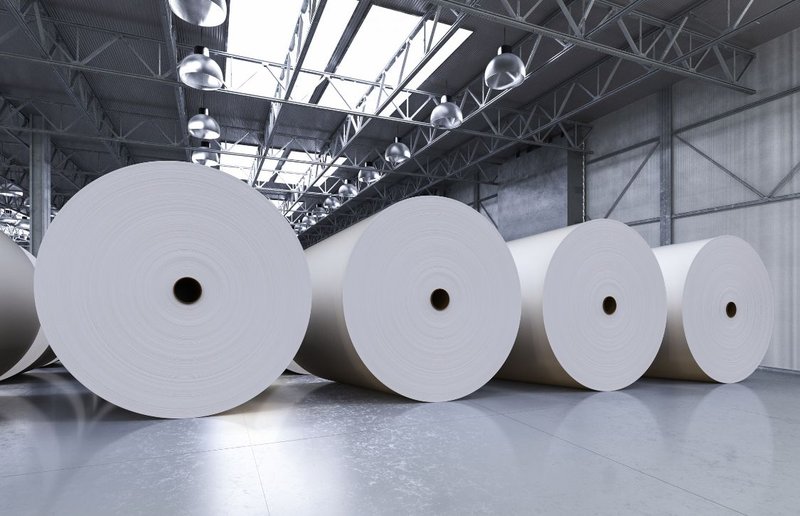
Lansdale Warehouse sits on two Class I railroads and receives daily last-mile short line service at our Pennsylvania facilities. As a result, you gain flexible routing options when one carrier faces congestion or equipment shortages. Our crews unload boxcars directly into racked or floor-stacked storage, which cuts extra touches and lowers damage risk.
Rail also pairs well with truck delivery, and our guide to rail transloading benefits explains the savings in detail. Similar principles guide our lumber distribution services, where long, heavy loads demand the same careful planning.
When you consolidate inbound rail and outbound truck work under one third-party logistics (3PL) provider, you remove costly vendor handoffs. Your planners then work from one schedule, one contact, and one set of performance metrics. Over time, fewer handoffs mean fewer claims, lower freight spend, and steadier service for your end customers.
How Do You Optimize Paper Industry Logistics for High-Volume Paper Goods?
You optimize paper industry logistics by pairing rail-served storage with specialized handling equipment and tight climate control. Next, you place inventory by velocity so fast-moving grades sit near dock doors for rapid outbound loading. Finally, you connect rail, truck, and warehouse data so every roll stays visible from mill to customer.
Protecting Rolls and Pallets From Humidity and Handling Damage
Paper absorbs moisture from the air, and humid summers can curl sheets, weaken cores, and ruin print quality. Rough handling causes just as much loss when forklift tines puncture rolls or crush carton corners. Strong paper industry logistics programs guard against both threats with climate awareness and purpose-built equipment.
Clamp trucks grip rolls by the sides, so tines never pierce the outer wraps or the core. Carton clamps also move unitized reams and cases without pallets, which saves you pallet cost and storage height. Sealed dock doors and monitored storage zones limit humidity swings that warp sheets and weaken packaging. Trained operators then follow roll orientation rules, stacking cores vertically or horizontally based on grade and diameter.
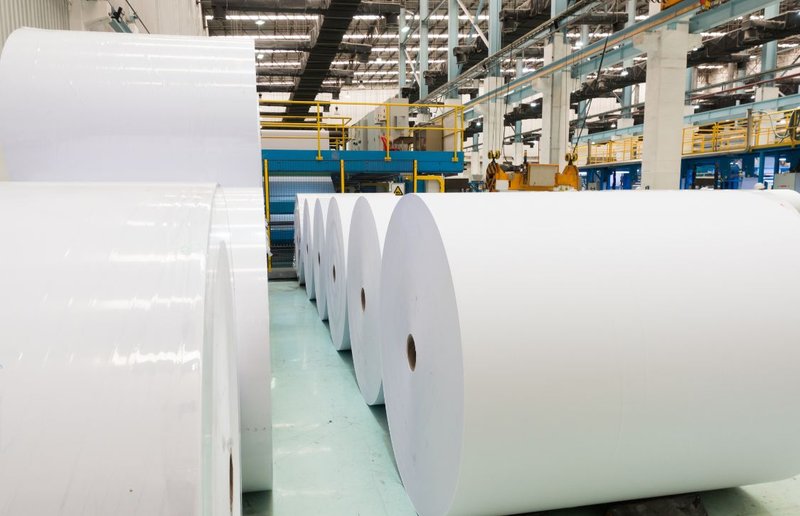
Accurate records matter just as much, since a misplaced roll can delay an entire press run. Our cycle count program catches variances early, so you trust the numbers before you commit to orders. When damage rates fall, you cut rework, customer claims, and the emergency freight needed to replace product. Our International Organization for Standardization (ISO) 9001-certified processes document every handling step for your audits. Safer handling also protects our crews, which keeps your freight moving without injury-related delays.
Paper Industry Logistics for Dense Storage and Megalopolis Reach
High-volume paper programs need floor space, cube utilization, and fast access to every grade you stock. Block stacking works well for uniform rolls, while drive-in racking suits mixed pallets of cut-size and specialty stock. The right mix raises storage density and lowers your cost per stored ton across seasonal peaks.
Smart slotting in paper industry logistics places your fastest movers closest to shipping doors. Meanwhile, slower specialty grades move to deeper positions where they stay protected yet remain easy to retrieve.
Location then determines how quickly stored paper reaches your printers, converters, and retail shelves. Our Pennsylvania facilities sit at the center of the East Coast Megalopolis, a market of 90 million people. We also operate within 100 miles of three major ports, as our look at Northeast port proximity explains.
Our own truck fleet handles regional deliveries, so you avoid spot market rates during tight capacity periods. Just-in-time (JIT) releases also let your customers receive smaller, frequent loads instead of carrying excess inventory. Online inventory access then gives your planners real-time views of stock, orders, and shipment status.
Build a Smarter Paper Supply Chain With Lansdale Warehouse
Paper moves in heavy, fragile, and moisture-sensitive loads, so every warehouse decision affects your margins. Rail access, specialized clamps, climate awareness, and dense storage work together to protect product and speed delivery. As a family and veteran-owned 3PL, we tailor each program to your mills, grades, and customer commitments.
Our smaller size lets us adapt quickly when your order patterns, grades, or seasonal volumes change. You also gain direct access to decision makers who own the facilities, equipment, and trucks serving you. Contact us today to design a paper storage program that keeps your mills and customers connected.
Comments are closed