
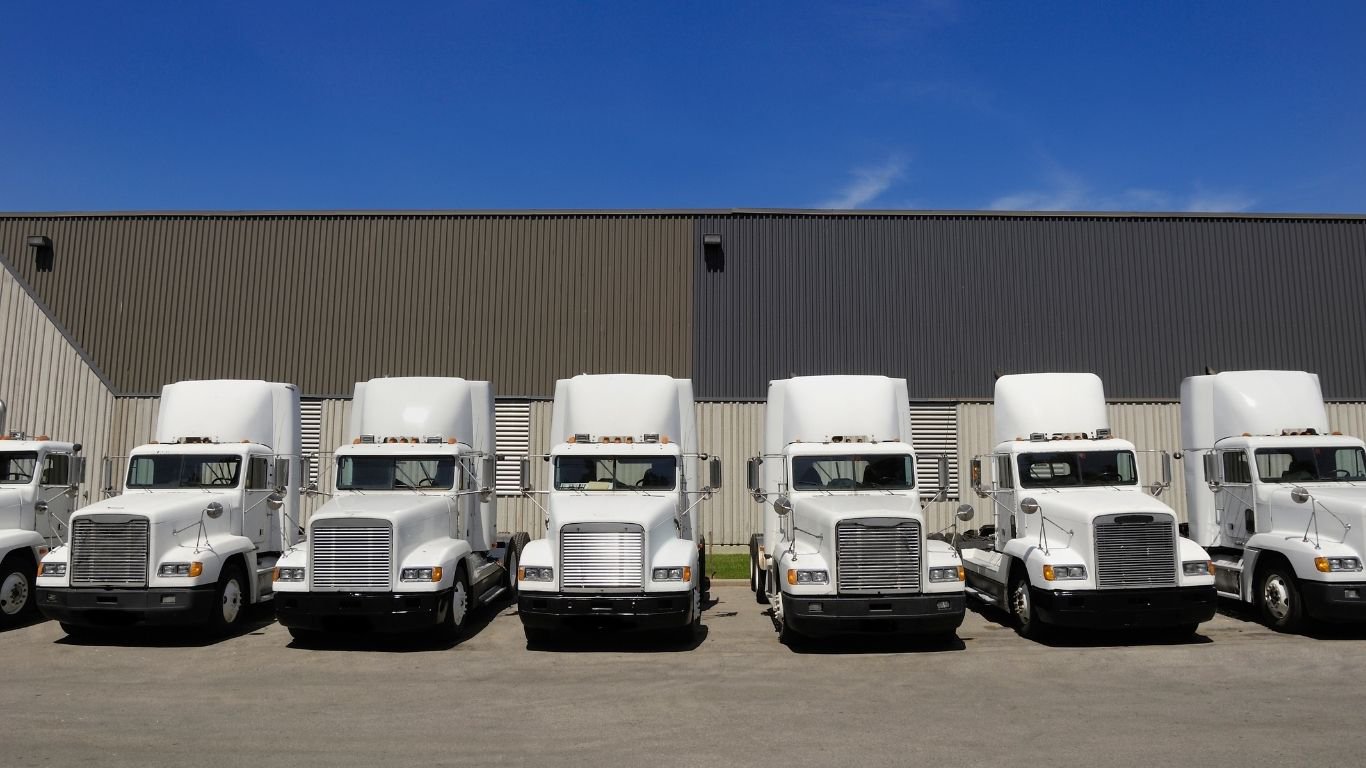
A logistics operation running 500,000 square feet across five facilities owns a large portfolio of physical assets. Forklifts, racking systems, and material handling equipment all carry value on the books. So do radio frequency (RF) scanners, vehicles, and dock infrastructure. When those records fall out of sync with reality, a fixed asset audit is what brings them back into alignment. For large third-party logistics (3PL) providers, that process is not optional. It's a financial and operational discipline that protects balance sheet accuracy, supports depreciation planning, and keeps the business audit-ready at every reporting cycle.
What a Fixed Asset Audit Actually Covers
A fixed asset audit is a systematic check of every capital asset a company owns. It confirms that recorded assets physically exist and are in the condition the books describe. It also confirms that assets sit where the records say they are. And it verifies that assets still serve the purpose the organization intended when it capitalized them.
For a 3PL, the asset list is long and varied. It includes trucks and trailers, dock equipment, racking and shelving, material handling machinery, and scanning and inventory control technology. Each category carries its own depreciation schedule, useful life estimate, and replacement timeline. Together, these assets represent a significant share of a logistics provider's total capital base. However, that capital base only tells an accurate story if the underlying records are current.
Why Large 3PLs Face More Risk from Inaccurate Asset Records
The larger the operation, the harder it gets to keep clean asset records without a formal audit process. Equipment moves between facilities. Assets reach the end of their useful life and get retired without a formal disposal entry. New capital purchases end up at the wrong location or under the wrong cost center. As a result, the asset register drifts from physical reality over time.

For a 3PL operating under generally accepted accounting principles (GAAP), inaccurate fixed asset records carry real financial risk. Under Accounting Standards Codification (ASC) 360, organizations must test long-lived assets for impairment when conditions suggest the carrying amount may not be recoverable. ASC 360 governs property, plant, and equipment across all GAAP-reporting entities. Inaccurate records can cause a company to miss an impairment trigger. Conversely, they can leave a disposed asset on the books at full value. Both outcomes distort financial statements and create exposure during audits.
Beyond the accounting risk, inaccurate asset records also affect operational planning. If a facility manager thinks three forklifts are available but two are out of service, scheduling breaks down. That is why asset record accuracy is both a financial requirement and an operational one.
How the Audit Process Works in a Logistics Environment
A fixed asset audit in a logistics environment follows a clear, structured sequence. First, the audit team pulls the existing asset register and reviews it against purchase records, depreciation schedules, and prior audit findings. Second, the team walks each facility, tagging and scanning assets to confirm existence, condition, and location. Third, the team reconciles physical findings against the register, flags discrepancies, and initiates corrective entries.
In practice, that process surfaces several categories of issues. Ghost assets are items still on the books that no longer exist in the facility. Unrecorded assets are items in active use that were never properly capitalized. Misclassified assets are items recorded under the wrong category or location. Each type requires a different fix, and each affects depreciation and reporting accuracy.
RFID tagging and barcode scanning have made physical verification faster in large warehouse environments. Instead of checking assets manually against a clipboard list, audit teams scan in sequence and auto-populate the reconciliation file. For a facility the size of a major 3PL operation, that efficiency is significant.
What ISO 9001 Certification Adds to the Fixed Asset Process
ISO 9001 certification requires an organization to maintain documented, auditable processes for everything that affects operational quality. In a logistics context, this includes asset management. A certified provider must show that assets follow defined procedures for tracking, maintenance, and retirement, not informal practices that shift by shift.

For customers evaluating a 3PL partner, ISO 9001 certification signals that asset management is part of a quality system. It is not a task that gets attention only when something breaks. That distinction matters when the assets in question support customer order fulfillment. Equipment failures and record gaps both create service risk. ASC 360 compliance and ISO 9001 certification, therefore, address the same underlying requirement from two directions: one financial, one operational.
Connecting Asset Accuracy to Service Reliability
A 3PL's fixed assets are not just accounting entries. They're the trucks delivering across the Mid-Atlantic corridor, the racking holding a customer's inventory, and the scanners validating every outbound order. When those assets are accurately recorded and properly maintained, the operation runs as planned. When records are stale and maintenance is reactive, service reliability suffers.
Lansdale Warehouse operates as an asset-based 3PL. It owns and maintains the infrastructure it uses to serve customers. That ownership model creates direct accountability for asset condition, record accuracy, and replacement planning. For companies selecting a 3PL partner, accountability matters. It is the difference between a provider that can show what it owns and one that can only claim to have it.
Asset records that drift from reality show up as financial or operational failures. A regular fixed asset audit is what keeps that from happening. Contact us to learn more about how Lansdale Warehouse's asset-based model supports reliable, compliant logistics operations.
Comments are closed