

Data center equipment carries extreme value in a very small footprint. A single missing server or storage unit can trigger compliance failures and financial loss. Real-time data center asset tracking gives operators the visibility needed to prevent both outcomes.
Manual logs and spreadsheets cannot keep pace with fast-moving equipment cycles. Real-time technology closes that gap by capturing every movement as it happens. Strong tracking programs protect compliance while supporting faster, more confident decisions.
Why Data Center Asset Tracking Matters
Regulated industries demand strict proof of custody for sensitive equipment. Financial, healthcare, and government clients often require documented chain-of-custody records. Data center asset tracking provides that proof automatically instead of relying on manual entry.
How Does Real-Time Tech Improve Data Center Asset Tracking?
Real-time technology improves data center asset tracking by capturing every scan, move, and status change as it happens. Sensors, barcodes, and radio frequency identification (RFID) tags feed data into a central system continuously. A flow that steady removes the delays and gaps that manual logs typically create.
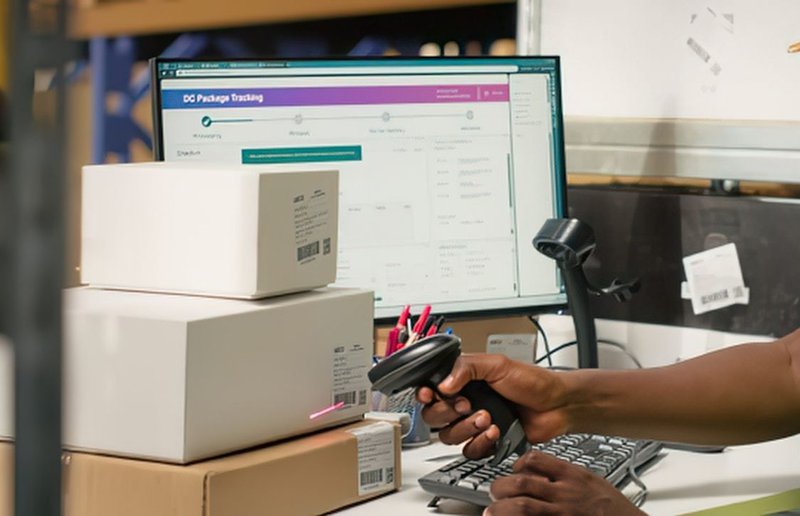
Real-time tracking systems typically rely on a few core technologies:
- RFID tags attached to individual units or shipping containers
- Barcode scanning at every major handoff point
- Sensors that detect temperature, humidity, or motion where relevant
- Centralized software that consolidates data across every location
Facilities with strong system connectivity can share tracking data directly with client compliance teams. Direct access of that kind reduces the manual reporting burden on both sides of the relationship.
Training Teams to Support Real-Time Tracking
Sensors and software cannot replace attentive staff on the floor. Workers still need training on scan discipline, tag placement, and exception handling. Facilities that skip this step often see tracking accuracy fall short of vendor promises.
A practical training plan for asset tracking usually covers a few areas:
- Proper tag placement and replacement for damaged labels
- Scan discipline at receiving, storage, and shipping points
- Response steps when a scan fails to match expected data
- Escalation paths for suspected loss or theft
Supervisors should spot-check scan compliance regularly instead of assuming the system runs itself. Small lapses in scanning discipline can erode months of otherwise clean tracking data. Facilities that reinforce these habits protect both compliance and customer trust over the long term.
Meeting Compliance Requirements With Better Data
Compliance teams need more than a general sense that equipment is safe. Auditors expect specific, timestamped records tied to every unit in the network. Real-time tracking systems generate exactly that kind of evidence automatically.
Strong compliance programs typically document several key events across the equipment lifecycle. For instance, receipt and inspection of each incoming unit or pallet establishes a clear starting record. Storage location and any subsequent movement within the facility keep that record current.

Chain-of-custody transfers between staff, zones, or carriers close any gaps in accountability. Meanwhile, final disposition, including shipment, disposal, or return, completes the documented history for each unit.
Facilities that combine tracking technology with audit-ready documentation practices give clients a clear, defensible record. As a result, clean records reduce the time compliance teams spend reconstructing history during a review.
Preventing Loss and Downtime Through Visibility
Missing equipment causes more than a compliance headache for your operation. Lost units can delay client projects and trigger expensive replacement costs. Real-time tracking helps teams catch discrepancies before they turn into a serious problem.
Facilities should build a few core habits into daily tracking routines. For example, reconciling scan data against expected inventory every shift catches small gaps immediately. In addition, investigating discrepancies right away instead of at month-end keeps small issues from growing.
Restricting access to high-value zones through badge or biometric controls limits exposure before problems start. Meanwhile, reviewing movement history whenever a variance appears in the system speeds up root cause analysis.
Facilities positioned near strong transportation infrastructure, including access to rail-served distribution networks, can move equipment quickly once tracking confirms availability. Therefore, fast, verified movement reduces the total time equipment spends exposed to risk.
Track Data Center Assets With Confidence at Lansdale Warehouse
Sensitive equipment deserves a facility built for precision and accountability. Lansdale Warehouse combines real-time inventory visibility, EDI connectivity, and ISO9001 certification to support demanding compliance requirements. A structure built this way gives data center clients confidence in every reported unit.
Our team can help you design a tracking program that fits your compliance and security needs. Contact us to discuss real-time asset tracking for your data center equipment.
Comments are closed