

Inventory errors rarely announce themselves before they cost real money. A missing pallet or a mislabeled SKU can trigger lost sales and angry customers. Asset-based operators use disciplined cycle count programs to catch these problems early.
Annual physical inventories no longer meet the pace of modern order volume. Frequent, targeted counts give leaders a clearer picture of true stock levels. Strong accuracy programs protect margin long before a problem reaches the balance sheet.
How Does a Cycle Count Program Protect Your Bottom Line?
Every inaccurate count creates a ripple effect across planning and customer service. Buyers order too much safety stock when they cannot trust the numbers. Finance teams then carry excess working capital tied up in stock nobody needs.
A cycle count program protects your bottom line by catching inventory errors before they affect orders or financial reporting. Frequent counts of high-value and high-movement SKUs reveal shrinkage patterns early, and strong programs typically focus on a few priority groups. Facility teams can then fix root causes instead of reacting to a bad year-end audit.
- High-value SKUs with the greatest financial exposure
- Fast-moving products tied to tight customer service levels
- Locations with recent history of variance or damage
- New SKUs during their first few months in the network
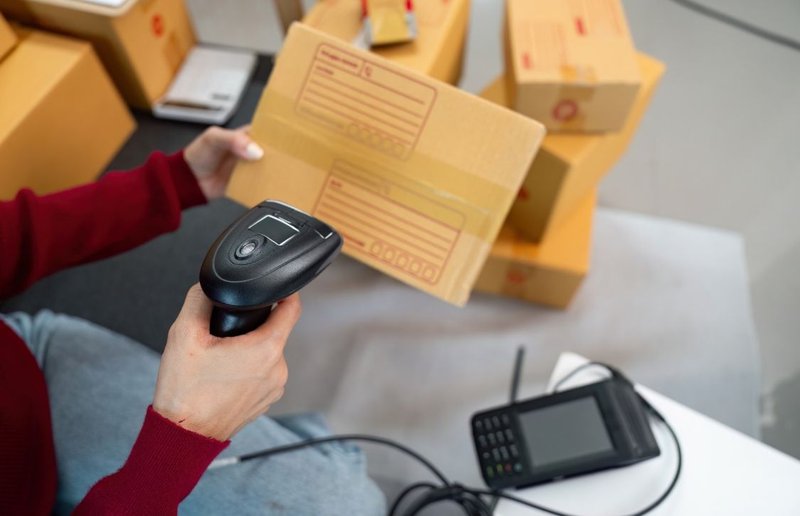
Asset-based warehouses that own their own equipment and staff can build counting directly into daily routines. A connected warehouse management system makes it easier to schedule counts without disrupting normal picking work. Clean data also reduces the labor spent chasing phantom shortages during peak season.
Building a Practical Cycle Count Schedule
A workable schedule balances count frequency against available labor hours. Facilities should not try to count every SKU with equal frequency. Risk-based scheduling puts effort where the financial exposure is highest.
Consider structuring your program around a few core rules:
- Count top-value SKUs weekly or biweekly depending on volume
- Rotate mid-tier SKUs through a monthly counting cycle
- Investigate any variance above a defined dollar threshold
- Document root causes for every variance found
Supervisors should review results in short, regular meetings rather than quarterly reports alone. Fast feedback loops let teams correct process gaps before they repeat across multiple locations. A tactical cross-dock strategy can also reduce the number of SKUs sitting in long-term storage, which lowers overall count exposure.
Connecting Accuracy to Financial Performance
Inventory accuracy touches far more than the warehouse floor. Auditors, lenders, and customers all rely on accurate stock data for their own decisions. A clean cycle count history builds trust across every one of those relationships.
Facilities positioned near strong transportation networks often see faster inventory turns as a result. Efficient inbound flow, including rail and transload options, reduces the time products spend sitting in storage. Consequently, shorter dwell time lowers the risk of loss, damage, or obsolescence tied to aging stock.

Leaders should also tie count accuracy directly to key financial metrics. Reduced safety stock, fewer write-offs, and lower insurance premiums all follow strong accuracy programs. Therefore, you should present these gains to finance teams to justify continued investment in counting technology and staff training.
Training Staff to Protect Inventory Accuracy
Technology alone cannot fix a cycle count program without a well-trained team behind it. Your staff need clear procedures for counting, recounting, and reporting variances they discover on the floor. Consequently, facilities that skip training often see accuracy stall despite investing in new scanning tools.
A strong training approach for cycle counting usually covers a few core areas. First, counters need standard methods for handling pallets, cases, and loose units, along with clear escalation steps whenever a count does not match system records. In addition, staff need proper training on handheld scanners and mobile devices, plus root-cause documentation habits for recurring variance patterns.
Supervisors should audit a sample of counts each week to confirm accuracy holds up under scrutiny. Meanwhile, peer review between counters also catches mistakes before they become embedded in the data. Ultimately, facilities that invest in ongoing training see fewer disputes during customer and financial audits.
Strengthen Inventory Accuracy With Lansdale Warehouse
Reliable inventory data starts with a partner that treats accuracy as a daily habit. Lansdale Warehouse runs disciplined cycle count programs supported by real-time inventory visibility and EDI connectivity. Such a combination gives clients confidence in every reported unit.
Our team can help you design a risk-based counting schedule that fits your SKU mix. Contact us to discuss how asset-based inventory accuracy can protect your bottom line.
Comments are closed