
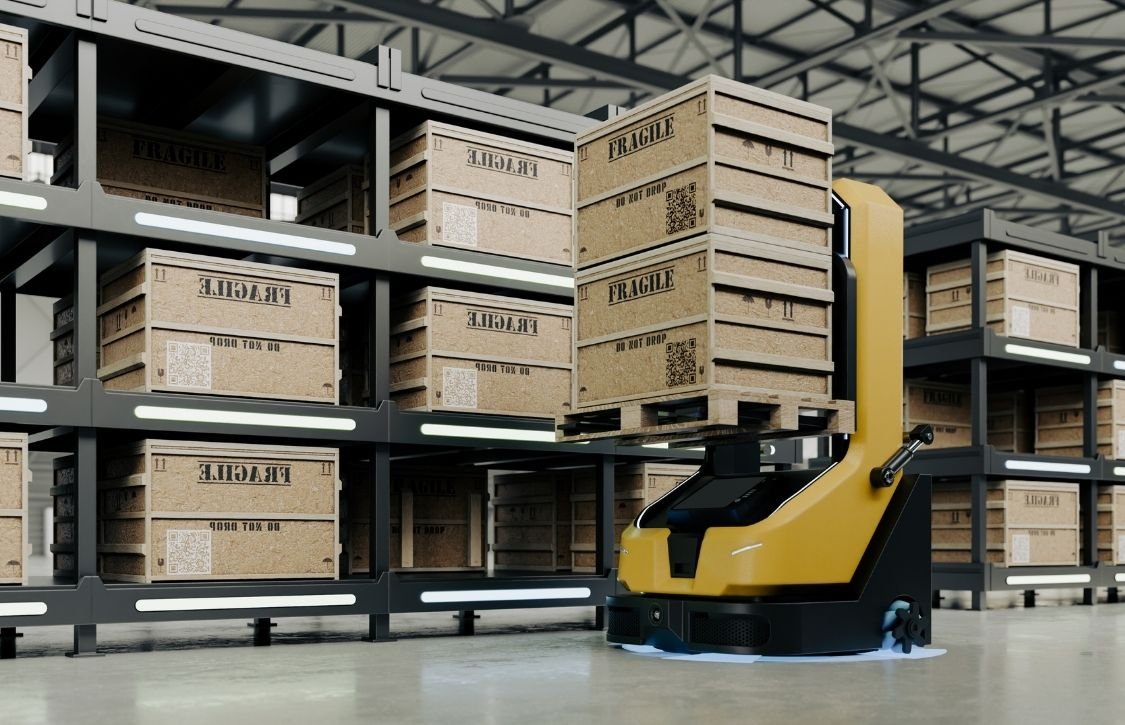
Faster throughput and lower labor costs draw you toward automated material handling solutions, yet the price tag gives executives pause. High-density systems can cost millions, so the real question is when the numbers justify the commitment. You need a clear return on investment (ROI) framework before you sign a purchase order or break ground.
Labor shortages, rising real estate costs, and tighter delivery windows push many operations toward automation faster than planned. Still, buying equipment too early can lock your capital into a system your volumes cannot support. Below, we break down the ROI math, the readiness signals, and a lower-risk path through a logistics partner.
Building an ROI Framework for Automated Material Handling Solutions
Automation ROI depends on more than labor savings, even though labor usually drives the first conversation. A complete model weighs space, accuracy, throughput, and maintenance against the full installed cost of the system. Once you capture every variable, you can compare options on equal footing instead of trusting vendor projections.
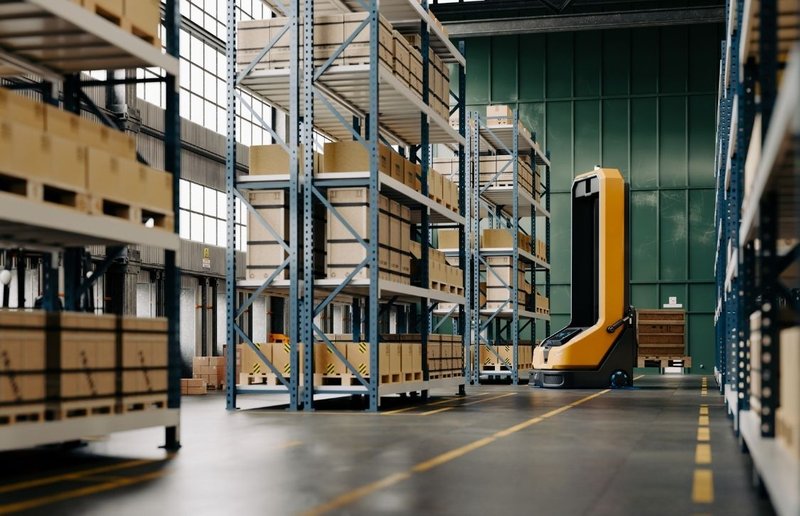
Next, break the return into distinct value streams so you can see which gains carry the most weight. Each stream should appear in your model with a baseline, a target, and a verified data source. Labor savings come from fewer pickers, less overtime, and lower turnover costs across every shift you operate. Cube utilization improves when dense storage uses vertical height, which can delay or eliminate a costly building expansion.
Accuracy gains reduce mis-picks, chargebacks, and returns, which protects margins and retailer scorecards at the same time. Throughput increases let you ship more orders per hour without adding dock doors or extra shifts.
Clean inputs matter, so pull historical order data from your demand forecasting tools before modeling anything. Then subtract maintenance, software licenses, and training from the gross savings to find your true annual return. Finally, divide the installed cost of automated material handling solutions by that annual return to calculate payback.
When Do Automated Material Handling Solutions Pay Off?
Automated material handling solutions pay off when steady volume, high labor costs, and expensive space combine to shorten payback. You should set a payback target that fits your cost of capital, then test each system against it. If demand is volatile or your lease is short, a partner's automated capacity often delivers better returns.
Readiness Signals That Justify a High-Density Investment
Your operation sends clear signals when it is ready to absorb the cost of dense automation. First, check stock keeping unit (SKU) velocity, since a few fast movers often drive most picks. Second, confirm volume stability, because automation rewards steady demand and punishes sharp seasonal swings.
Third, compare your space cost per square foot against the price of adding vertical, high-density storage. When land and rent climb, automated material handling solutions let you grow inventory inside your current footprint. Your systems also need clean data, and a strong warehouse management system integration keeps equipment and orders in sync.
Once those signals line up, you can match your profile to the right high-density technology. Automated storage and retrieval systems (AS/RS) and pallet shuttles suit deep, uniform inventory with steady replenishment cycles. Meanwhile, very narrow aisle racking and pallet flow lanes add density at a lower cost for mixed operations.
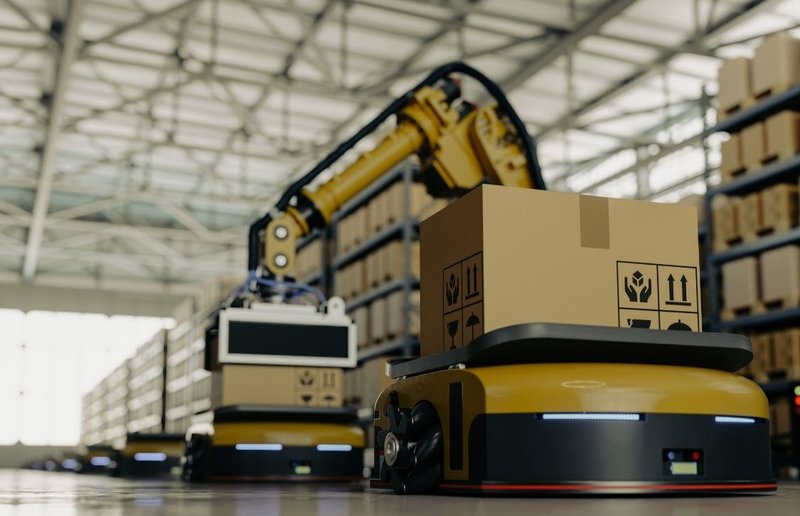
For high-value inventory, see how automated handling protects valuable goods from damage and shrinkage. Matching technology to product profile keeps you from overbuying capacity you will rarely use.
Managing Automation Risk With Phased Investment or a Partner
Even strong ROI models carry risk, since integration delays and software issues can stretch timelines for months. Equipment also locks your layout in place, which limits your options if product mix or customers change. Downtime poses another threat, because a single failed shuttle or crane can stall an entire aisle of orders. A phased approach reduces that exposure, so you can start with pallet flow or conveyors in one zone. After each phase proves its return, you can fund the next stage with real savings instead of forecasts.
Alternatively, you can tap a third-party logistics (3PL) partner's automated material handling solutions and skip the capital outlay. We own our specialized material handling equipment, so you pay for capacity as your volumes require it. Our Pennsylvania facilities also sit within 100 miles of three major ports at the heart of a 90-million-person Megalopolis.
Plus, our rail transloading benefits help you cut freight costs on inbound bulk and palletized loads. You keep the upside of automation while your balance sheet stays free for product development and growth. Later, if volumes stabilize, you can revisit ownership with months of real performance data in hand.
Find the Right Automated Material Handling Solutions With Our Team
Automation delivers strong returns when your volumes, space costs, and data quality all point in the same direction. Timing matters as much as technology, so a disciplined ROI model protects you from costly guesswork. Since 1958, our family- and veteran-owned team has helped shippers weigh these decisions through our Customer Driven Logistics philosophy.
We can model your current costs, flag bottlenecks, and show where our equipment beats new capital spending. You also gain online inventory access, electronic data interchange (EDI), and flexible capacity that grows with you. Reach out to our team and compare the ROI of automated material handling solutions against your budget.
Comments are closed