

When an FDA inspector walks into a pharmaceutical warehouse, they won’t be looking for intent. They will check records: every handoff documented, every movement logged, and every exception resolved in writing. For supply chain managers responsible for pharmaceutical logistics, that audit standard is the baseline. So the question is whether your logistics partner prepared for it or is playing catch-up.
For supply chain managers sourcing logistics partners for drug products, the criteria differ from standard warehouse selection. However, certifications matter. Tracking systems also matter. And the ability to prove compliance under audit conditions matters more than any rate card.
What Makes Pharmaceutical Logistics Different
The core challenge is keeping product integrity intact across every handoff. Temperature-sensitive drug products, controlled substances, and clinical trial materials all need specific conditions. Standard warehousing cannot meet those conditions without the right systems, equipment, and trained staff.
Beyond temperature, pharmaceutical logistics requires traceability. Every product movement must be on record in a way that supports regulatory review. The Drug Supply Chain Security Act (DSCSA) requires wholesale distributors and third-party logistics providers to obtain national licensure and report licensure status to the FDA annually, with unit-level tracking requirements that flow to every partner in the chain.

In addition, strong records serve as a risk tool. When a recall occurs, fast and accurate tracing determines how broad it must be. A logistics partner with tracking gaps creates exposure that goes well beyond the warehouse floor.
The Certification Layer That Supports Pharmaceutical Compliance
Meanwhile, FDA registration remains the baseline for pharmaceutical logistics. Specifically, it confirms that a facility meets minimum standards for handling, storing, and distributing drug products. However, FDA registration alone does not cover the full scope of quality standards that pharmaceutical customers need.
In addition, ISO 9001 adds the quality management framework that supports consistent compliance. The standard requires written procedures, clear performance targets, and regular internal audits. It also requires a structured process for finding and fixing quality gaps. For pharmaceutical logistics, that framework turns rules into daily practice.
Finally, AIB certification applies a strict facility inspection standard. It reinforces the cleanliness, pest control, and facility practices that drug storage requires. Facilities that hold AIB certification have proven their ability to maintain regulated environments under independent audit. That is a higher bar than internal review alone.
How LWC Supports Pharmaceutical Logistics
Lansdale Warehouse Company (LWC) holds FDA and AIB certifications across select facilities. ISO 9001 covers its full operation. For pharmaceutical and life sciences customers, that means the compliance setup is already in place. There is no ramp-up to meet the standards that regulated customers require.
LWC runs five facilities totaling more than 500,000 square feet in Montgomery County, Pennsylvania. Two have direct rail service via CSX. A short line railroad provides daily last-mile service. For customers moving bulk drug raw materials or finished goods, rail access cuts handling events and lowers the risk of product damage or records gaps.
LWC's RF inventory control systems track every movement in real time. That live data layer supports the traceability needs that pharmaceutical customers face. Compliance teams can pull movement history on demand. No batch reports, no waiting.
LWC's asset-based model means the facilities, systems, and staff handling pharmaceutical inventory all work under one roof. There are no outside handoffs where tracking chains can break. That structure supports the end-to-end traceability that DSCSA and customer audits require.
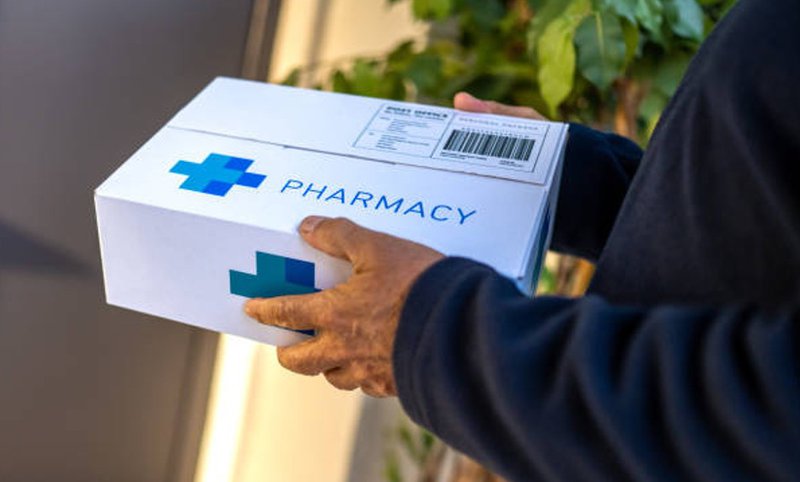
LWC sits within 100 miles of three major East Coast ports, at the center of a consumer corridor of roughly 90 million people. For pharmaceutical brands shipping to hospitals, specialty pharmacies, and retail chains across the Mid-Atlantic and Northeast, that location cuts transit times and reduces handoffs between production and point of care.
Evaluating a Pharmaceutical Logistics Partner
The right questions go beyond standard 3PL criteria. Ask about FDA registration and which facilities it covers. You can also ask about ISO 9001 and how the provider tracks and fixes quality gaps. Then, check how it supports DSCSA traceability and what systems create the movement records that a product audit would need.
Also ask what happens when something goes wrong. A provider with a mature quality system will have a written corrective action process. One without that process will improvise. In pharmaceutical logistics, improvised responses to compliance events are what turn manageable problems into regulatory actions.
LWC's certifications, systems, and asset-based model address those questions directly. For pharmaceutical customers who need a logistics partner that can stand behind its compliance posture, that setup is where the conversation starts.
To learn how Lansdale Warehouse's certified facilities and systems can support your pharmaceutical logistics requirements, visit our site today and leave a message.
Comments are closed