
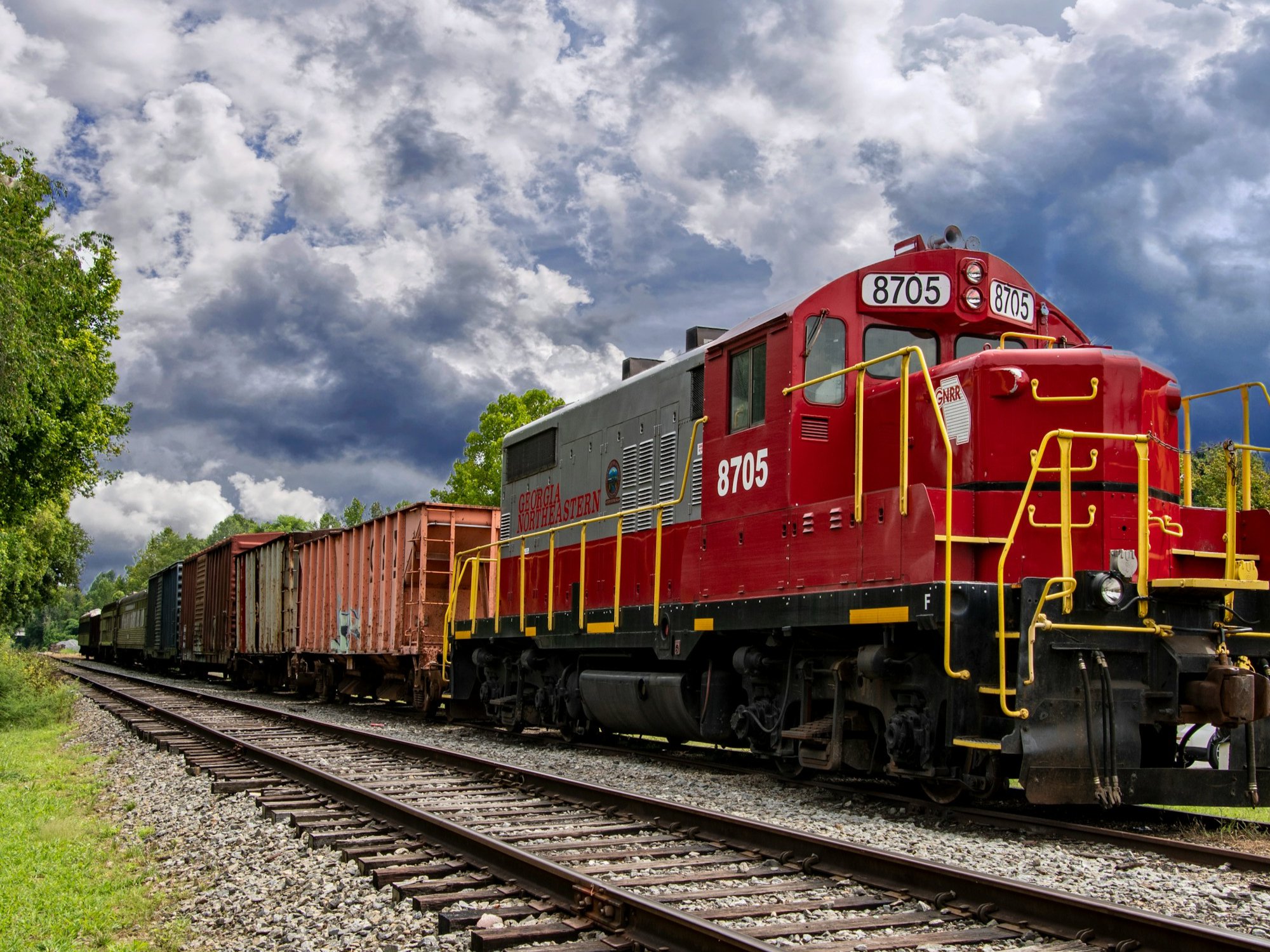
Most shippers use a single-mode strategy for long-haul freight: truck from origin to destination. That approach works at shorter distances. But it gets costly fast as mileage climbs. Fuel, driver hours, and per-mile rate structures all compound with distance. Rail transloading breaks that pattern by splitting the route, putting each mode where it performs best.
The economics behind that split are well established. According to the Association of American Railroads, freight trains move one ton of cargo nearly 500 miles on a single gallon of fuel. On average, that makes rail three to four times more fuel-efficient than trucks. For long-haul legs, that gap shows up directly in freight cost.
Why the Last Mile Has Always Been the Hard Part
Rail's cost advantage at distance is not new information. So why don't more shippers use it? The answer is usually the last mile. A Class I railroad delivers to rail-served locations. If the destination doesn't have a siding, the shipper needs a way to bridge that gap. Historically, that meant drayage to an off-site transload facility. That added cost and handling often erased the rail savings.
A 3PL that operates its own rail-served warehouses changes that equation. Instead of drayage, the inbound shipment moves directly from the Class I line to a storage and distribution point. From there, a short line railroad covers daily last-mile delivery without a truck leg for every outbound move. That means the handoff stays within one provider's control. So there are no extra invoices, no third-party coordination, and no gap between modes.
How the Two-Rail Model Works
CSX Class I rail service handles the long-haul volume. A short line railroad then takes over for the daily last-mile leg. Together, these two services create a continuous rail corridor from origin to the distribution point. That keeps freight off trucks longer, which is where most of the cost savings accumulate.
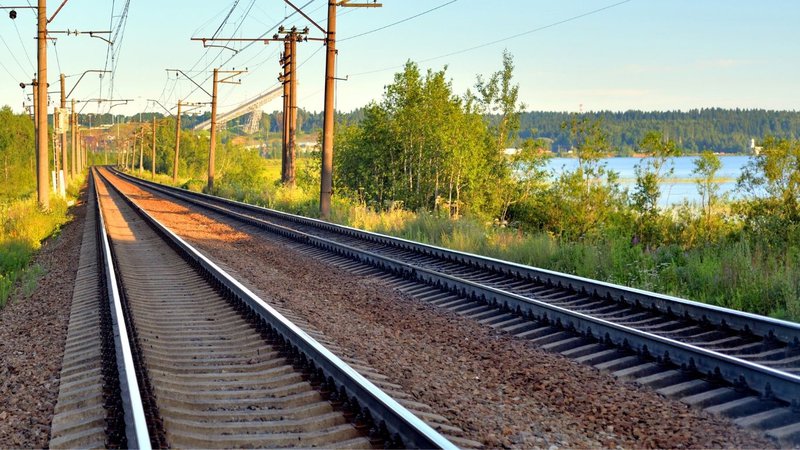
For inbound moves, that means lower cost per ton-mile and a predictable daily delivery cadence. For outbound, an asset-based fleet covers Delaware, Eastern Pennsylvania, Maryland, New Jersey, and parts of New York and Connecticut by truck. So the full route runs: rail in, short line last mile, truck out to the customer. You can read more about how intermodal rail service fits into a broader freight strategy and why the combination works.
Transloading Without the Extra Handoff
Transloading means moving freight from one mode to another at a transfer point. For shippers without rail-served destinations, that step adds cost at both ends of the route. When the 3PL operates a rail-served warehouse, however, transloading happens in-house. The freight moves from the railcar directly into storage. That removes one handling event and the cost that goes with it.
This matters most for bulk and high-volume categories. Paper and pulp, industrial products, and lumber all move in volumes where each handling event adds up. For those categories, rail-to-truck transloading at a facility that also handles storage compresses the supply chain rather than extending it.
Location Determines Whether the Model Works
Rail access only delivers its full value when the facility sits in the right place. A rail-served warehouse far from the end market still requires a long truck leg to reach customers. That eats into the savings the rail move created.

For shippers serving the East Coast, location within the Megalopolis corridor matters. A warehouse within 100 miles of three major East Coast ports uses rail for inbound volume while keeping outbound truck routes short. Inside a consumer market of roughly 90 million people, that position keeps the total route efficient at both ends. For managers evaluating how East Coast positioning affects supply chain cost, the rail access question and the location question are the same question.
Asset Ownership and Route Consistency
A transloading model works best when one provider controls the key assets. When a 3PL owns its facilities, fleet, and rail-served locations, the shipper deals with one point of contact for the full move. So there are no brokered handoffs where accountability gets split across vendors.
That also means rate consistency. Owned assets don't carry the spot-market swings that come with brokered capacity. For shippers building freight budgets, that stability has real value. It's also why asset-based 3PL partnerships tend to outperform brokered networks for high-volume, ongoing freight programs. The Federal Railroad Administration also publishes rail network performance data that managers can use to benchmark corridor reliability before committing to a rail-based strategy.
For distribution managers looking to cut long-haul costs without adding route complexity, rail transloading combined with daily last-mile short line service is worth a close look. Contact us and we’ll help you get closer to the solution.
Comments are closed