
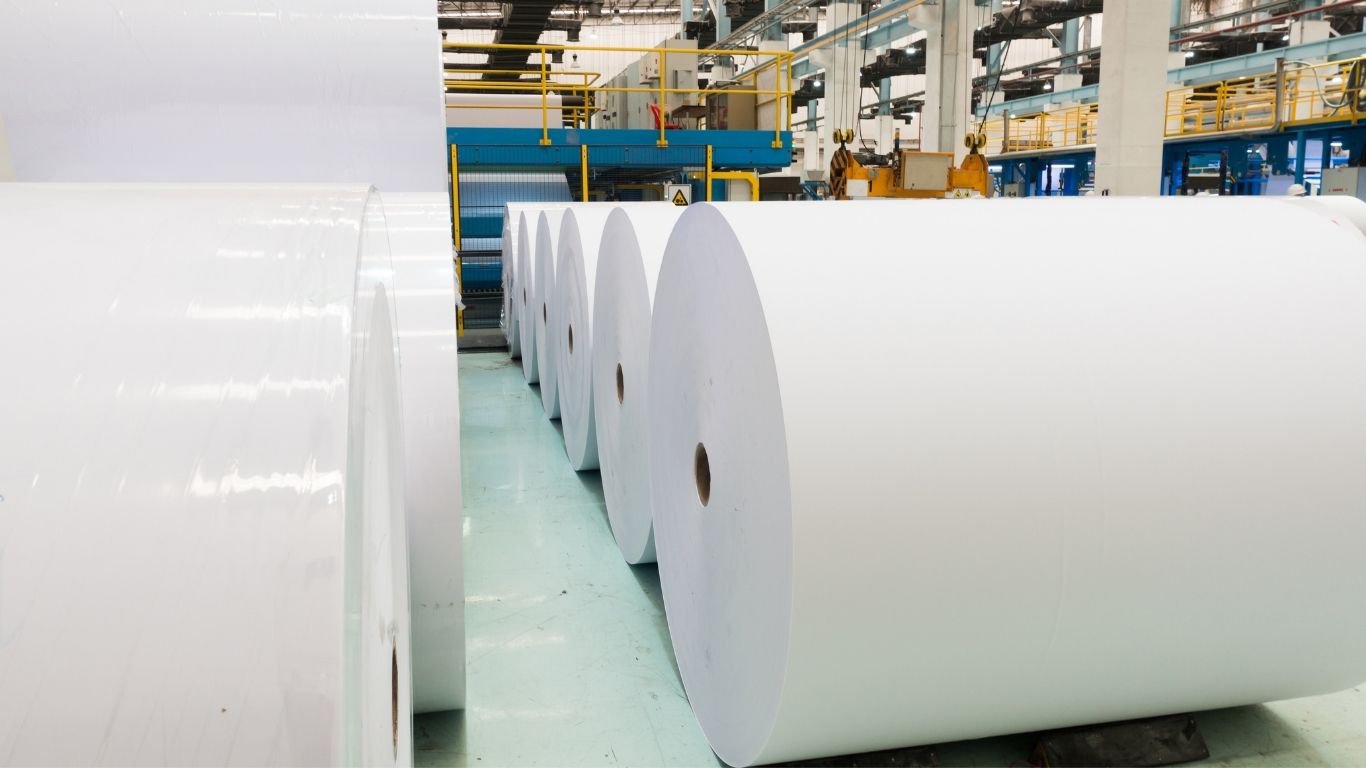
Paper and pulp are among the most demanding categories in supply chain work. Roll paper alone can run to several thousand pounds per unit. Bulk mill shipments move in volumes that stress both storage capacity and handling equipment. For distribution managers sourcing a logistics partner, the question isn't whether a facility can take paper goods. It's whether the facility is built to move them well. That's where paper logistics planning separates the right partners from the rest.
The packaging segment has held up through recent market swings. The American Forest and Paper Association reported that U.S. paper and paperboard output rose 3.2% in 2024, with containerboard leading the gains. That growth puts pressure on the downstream side of the supply chain. Consequently, warehousing and distribution have to keep pace with mill output. Facilities not designed for high-volume, heavy goods become a bottleneck fast.
Specialized Equipment Is the Starting Point
Paper products won't move on standard equipment. Specifically, roll paper needs roll clamps and carton clamp attachments to protect the product while keeping throughput high. For example, slip sheet operations replace pallets in high-density storage. That allows more product per square foot without adding floor risk.
Without the right tools in place before the first shipment arrives, damage rates rise. Handling time increases as well. Both outcomes cost money that doesn't show up until the invoice or the claim. That is why a facility's equipment profile is one of the first things to verify.
Rail Access Changes the Cost Structure
For bulk paper goods, rail is the most cost-effective mode when hauling long distances. A 3PL with direct rail access removes the truck leg from the long-haul portion of the route. That cuts costs and also reduces the number of handoffs where damage or delay can enter the chain.
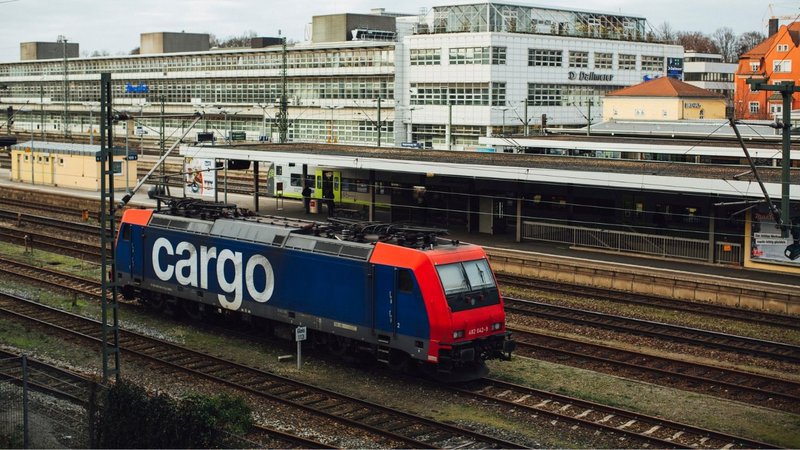
So the mode choice shapes the economics from the start. CSX Class I rail service handles the long haul. Then, a daily last-mile delivery from a short-line railroad covers the final leg. Together, the two modes reach both inbound and outbound paper flows. You can see how rail transloading fits into a paper distribution strategy in more detail.
Storage Capacity and Location Both Matter in Paper Logistics
Paper and pulp products need room. High-cube storage with the right racking handles bulk rolls and palletized sheets without creating access problems. So does contract warehousing, where a 3PL holds space rather than allocating it on a spot basis. For operations with shifting order volumes, both options matter.
Location matters just as much as capacity. A warehouse within 100 miles of three major East Coast ports keeps paper products close to the markets that need them. Inside the Megalopolis corridor of roughly 90 million consumers, that position means shorter delivery cycles. Standard truck routes cover Delaware, Eastern Pennsylvania, Maryland, New Jersey, and parts of New York and Connecticut. For managers building a supply chain strategy around East Coast positioning, most customers fall within a single delivery day.
Real-Time Inventory Visibility for High-Volume Categories
Paper goods move in high volumes with tight lead times. A converting or print facility doesn't have buffer stock to cover a late shipment. That means the 3PL needs to give customers direct visibility into stock on hand and orders in transit. Additionally, online access to real-time inventory lets customers plan from accurate data, not estimates.

So accuracy on both ends of the flow matters. RF inventory control and cycle counting keep stock records clean. Mobile barcode scanning confirms each inbound receipt and outbound shipment at the point of transaction. For a category like paper, where a single roll can hold significant dollar value, inventory accuracy across the pick-pack-ship flow is a financial control, not just an operational one.
Choosing the Right Paper Logistics Partner for Your Business
The paper and pulp industry runs on volume and speed. However, not every logistics partner is built to handle both. A provider that owns its facilities, fleet, and equipment gives paper shippers more control over cost and reliability. Asset-based operations don't carry the risk that comes with contracted carriers and leased spaces.
Also, fleet specs matter. Air-ride trailers protect roll paper from road vibration that can cause product damage in transit. Similarly, dedicated 48-foot and 53-foot trailers handle the load types that paper shipments need. For managers evaluating a partner for heavy-haul, high-volume distribution at scale, the asset question is often the deciding one.
Ultimately, the right paper logistics setup comes down to equipment, storage, and location. If your current setup creates friction anywhere in that chain, connect with our team to learn more. Contact us today and get started.
Comments are closed