
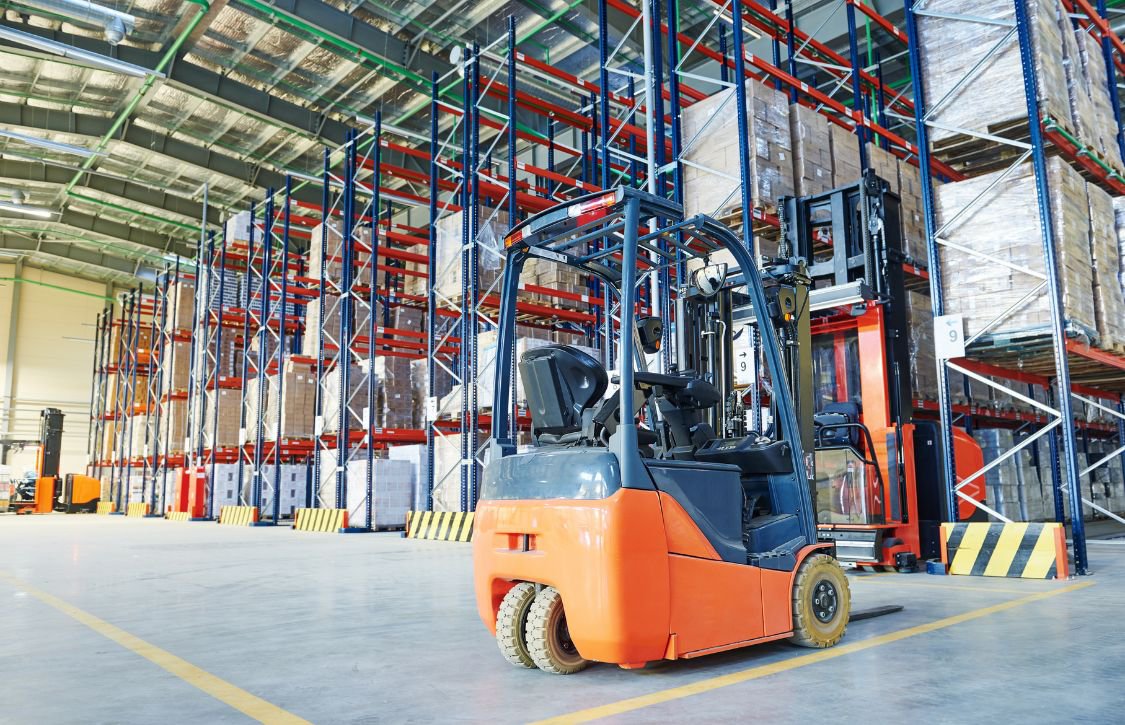
Standard warehouse equipment handles standard freight. A generic forklift moves pallets; standard racks hold uniform boxes; and the whole system works well enough for commodity goods that arrive in predictable shapes. Paper rolls, printed circuit boards, and heavy industrial components don't conform to that model. Each product class carries its own damage profile, its own storage demands, and its own handling risks. Specialized handling isn't a premium add-on. It's the difference between freight that arrives intact and freight that becomes a claim.
Paper and Pulp: Specialized Handling for Rolls and Slip Sheets
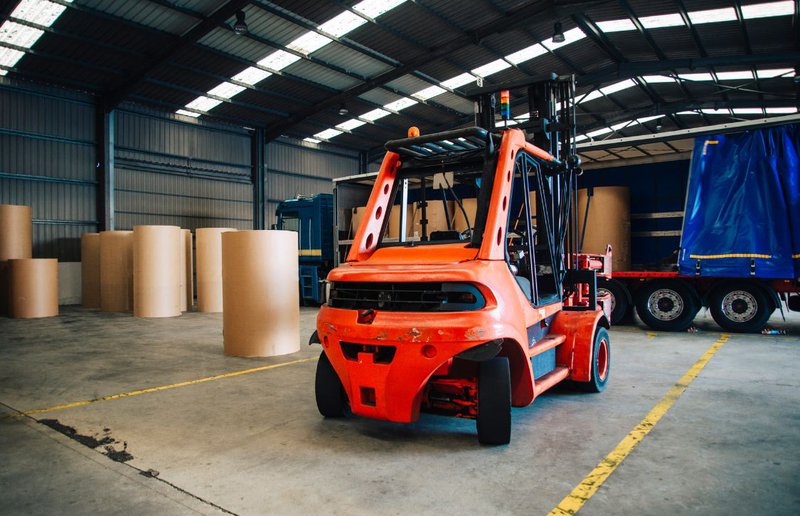
Paper rolls are deceptively difficult to manage at scale. They're cylindrical, which means standard forks make contact at the edges, exactly where damage concentrates. They're heavy, so a mishandled transfer can cause compression damage that doesn't surface until the roll is unwound at the press. And they move in high volumes, which means any inefficiency in the handling sequence multiplies quickly.
Lansdale Warehouse runs roll paper handling equipment built for this product type. Roll handling equipment grips and transports each roll without damaging edge contact, cutting the damage rate that plagues facilities trying to adapt general-purpose equipment to a specialized product. Slip sheet operations replace conventional pallets on high-volume shipments, reducing per-move cost without compromising load integrity.
That cumulative effect matters more than any single move. As a result, a paper customer shipping tens of thousands of units per month can't absorb a damage rate that would be acceptable for lower-volume freight. The specialized handling approach has to match the product from the first touch.
Electronics: ESD-Safe Storage and Precision Rack Systems
Electronics present a different problem. The product is light, sometimes extremely light, but the risk lives in an invisible mechanism: electrostatic discharge. According to the ESD Association, electrostatic discharge (ESD) damage can be a latent defect that escapes immediate detection. Asa result, ESD can cause a device to fail prematurely in the field. The issue will then generate warranty claims that are nearly impossible to connect to a handling event.
Because of this, specialized handling for electronics starts with ESD-safe storage environments and rack configurations designed for small-item inventory. Components don't stack under pressure, shift during internal transfers, or share space in ways that create contact damage. The physical setup removes the most common exposure points before they become incidents.
ISO 9001 certification adds the procedural layer. The right equipment isn't enough, however, without trained personnel, documented procedures, and audit checkpoints that create accountability at every step. For electronics manufacturers storing high-value inventory off-site, that combination of physical controls and process documentation is what makes a 3PL partnership viable, not a liability.
Industrial Goods: Heavy Storage and Carton Clamp Operations
Specialized handling for industrial goods works differently from paper or electronics. These products tend to share two characteristics: they're dense, and they don't conform to standard pallet dimensions. Structural components, manufacturing inputs, and heavy equipment parts often arrive in configurations that standard racking can't support safely. In fact, OSHA's materials handling standards require that stored items remain stable and secure against sliding or collapse. Forcing irregular freight into a conventional layout creates exactly those risks.
Lansdale's facilities include rack configurations built for heavy storage alongside carton clamp equipment for unitized freight that doesn't ship on conventional pallets. The carton clamp applies controlled pressure across a stable surface area rather than making contact at a single point, which is the right approach for product that ships in compressed or corrugated formats.
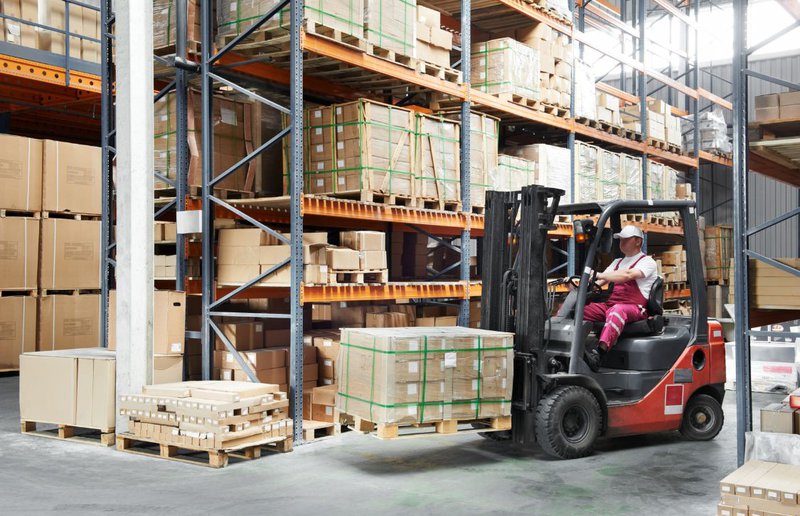
Moreover, the asset-based model keeps that equipment reliably available. Lansdale owns its handling fleet outright, so the right tool is ready when the shipment arrives, not on a 48-hour lead time from a rental company.
What Specialized Handling Actually Protects
Handling damage is predictable and, by extension, largely preventable. A paper roll with edge compression becomes a return. Similarly, an ESD-compromised circuit board becomes a warranty claim. An industrial component mishandled during a facility transfer becomes a safety incident and a replacement cost.
Purpose-built equipment closes the mismatch at the point of contact. When the handling method matches the product, damage rates fall, and so do the downstream costs: returns, rework, expedited replacements, and the harder-to-quantify cost of a customer who stops calling.
Lansdale Warehouse has operated specialized handling programs across its five Montgomery County facilities for decades. The equipment isn't incidental to what asset-based logistics delivers in practice. It's the proof of it. If your freight doesn't move safely on a standard pallet, contact us to talk through what a tailored handling program looks like for your operation.
Comments are closed