
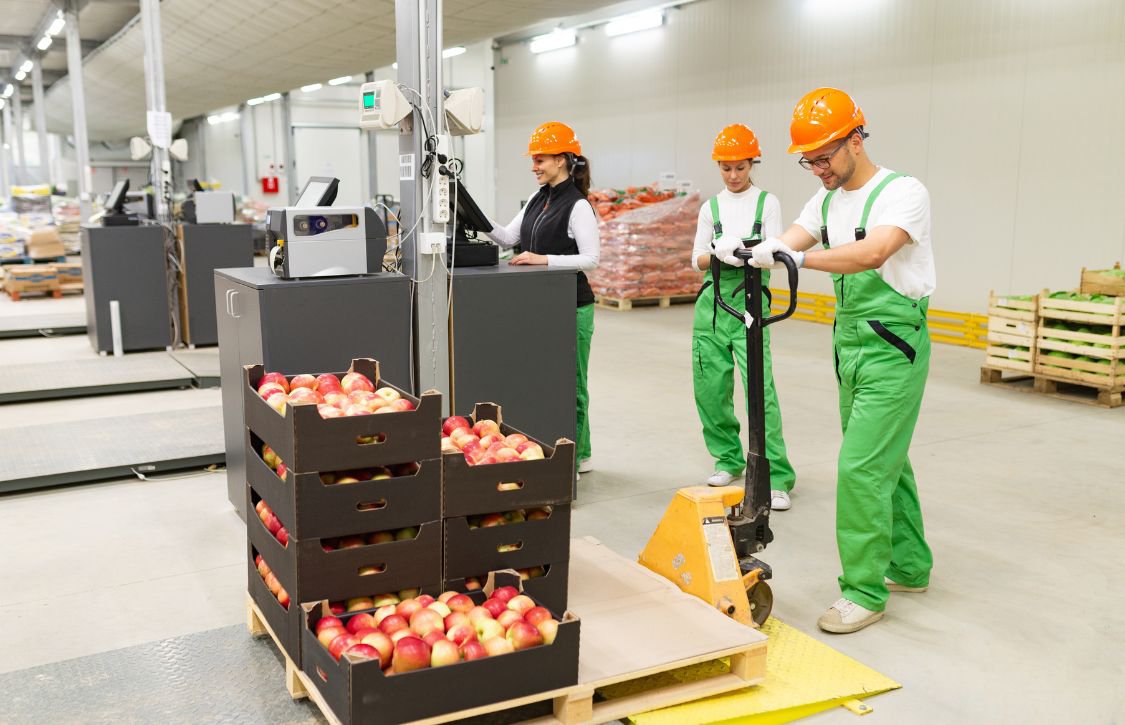
A food brand that's built years of consumer trust can lose it in a single product recall. Contamination events and safety violations don't just create legal risk. They generate news coverage, lost shelf space, and customers who don't return. The storage environment where a brand's inventory sits is a direct factor in that risk. Food-grade warehouse certification isn't a credential for marketing purposes. It's proof that a facility meets the standards that protect what's on the label.
What FDA Certification Means for a Food-Grade Warehouse
FDA's 21 CFR Part 117 sets the food safety standard for any facility that holds food for American consumption. The standards cover not just food manufacturers but food storage houses as well. For a food-grade warehouse to earn an FDA certification, the facility has to pass inspection by meeting those standards.
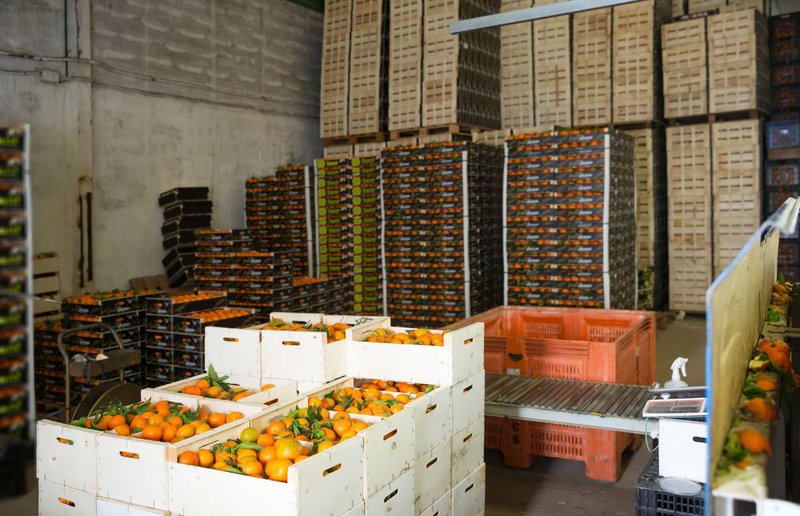
Specifically, the requirements require accomplishing pest control protocols, proper sanitation, and temperature monitoring. It also means physical separation of food from non-food inventory. However, far too many storage facilities rely on self-reported compliance rather than applying for formal certification. As a result, brands storing food inventory off-site should verify FDA certification before signing any warehousing agreement. Think of it not as a differentiator but as a floor.
AIB Certification: The Audit Layer Above the Floor
FDA registration confirms a facility meets federal food safety requirements. AIB International certification goes further. It conducts independent, unannounced audits of food-grade warehouse facilities against detailed criteria. Those criteria cover pest activity, building maintenance, sanitation practices, housekeeping, and food safety documentation.
AIB certification standards go beyond what standard federal inspection schedules typically cover. An AIB Superior rating means an auditor arrived without notice, reviewed every area, and found no critical gaps. For food brands that need to show supply chain integrity to retail buyers, that rating provides verified, third-party documentation. Moreover, AIB covers areas that federal inspections often don't reach. In addition, GS1 US food and retail standards require food products to carry traceable, standardized identification from origin through the shelf. Consequently, warehouses operating under AIB and FDA certification provide the controlled environment that keeps that traceability intact.
The Food-Grade Warehouse Standard in Practice
Aside from AIB and GA1, ISO 9001 certification is another quality standard that boost the reputation of any food-grade warehouse. Specifically, 9001 governs the quality management processes underlying daily operations. For food brands, that means an independent party verifies the storage environment. Staff also follow documented procedures, and auditors review the facility on an ongoing basis.
In other words, ISO 9001 connects facility certification to daily practice. A certified building shouldn’t be enough on its own. If pick procedures, receiving protocols, and rotation practices lack consistent documentation, the certification provides a false sense of security. ISO 9001 ensures that documentation exists and stays current. Lansdale Warehouse holds both FDA and AIB certification at select facilities.
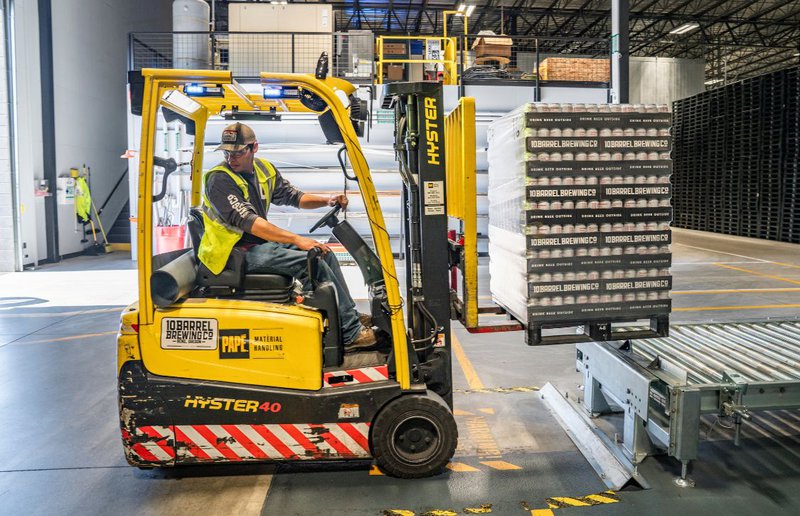
Meanwhile, beverage and alcohol storage carries its own compliance requirements, separate from general food storage. A licensed, certified 3PL takes on that complexity so the brand doesn't have to. Lansdale similarly holds full licensing for storage and transportation of beer, wine, liquor, and other alcoholic products.
Brand Protection Through Food-Grade Warehouse Operations
A product recall that traces back to a storage failure is a brand crisis that doesn’t have to happen. The FDA, AIB, and ISO 9001 certifications create layered protection through safety practices and meticulous documentation. For facilities that closely adhere to these quality requirements, storage-related contamination becomes highly unlikely rather than merely possible.
Maintaining inventory accuracy in certified storage means traceability controls and rotation protocols function as daily requirements and not optional extras. When a recall occurs in the broader industry, a well-documented storage operation can show it handled the affected lot correctly. That documentation protects both the brand and the logistics partner.
Food and beverage brands that use third-party storage carry the reputation risk of that facility's standards. So, a food-grade warehouse that earns its certifications through independent audit is the most direct way to manage that risk. Contact us so we can share and apply our expertise on your product line.
Comments are closed