

Heavy industrial building materials often require a rigorous, highly synchronized transport strategy. Moving engineered wood products, bulk dimensional lumber, and structural timber over long distances can pose significant operational challenges. These challenges include strict axle weight thresholds, vulnerability to moisture damage, and high landed costs. Industrial suppliers optimize these material movements by using specialized lumber distribution services that integrate rail transport with last-mile trucking.
Operating within the high-density Northeast corridor also amplifies supply chain pressure points. Highway congestion and driver shortages in this region directly erode commercial margins. By implementing a dual-mode logistics framework, companies can establish the needed operational control by pairing high-volume rail transloading with dedicated trucking. This approach keeps large-scale construction projects and regional yards supplied without interruption.
Lumber Distribution Services and the Economics of Rail-to-Truck Transloading
Long-distance timber transport relies heavily on bulk freight capacity to maintain healthy profit margins. A single centerbeam railcar holds the equivalent payload of roughly three to four standard 53-foot flatbed trailers. Moving bulk dimensional lumber over long distances via Class I rail lines significantly reduces fuel consumption. This mode shift also slashes per-ton-mile freight rates. However, rail carloads require specialized offloading infrastructure and precision material handling at destination hubs to prevent board damage.
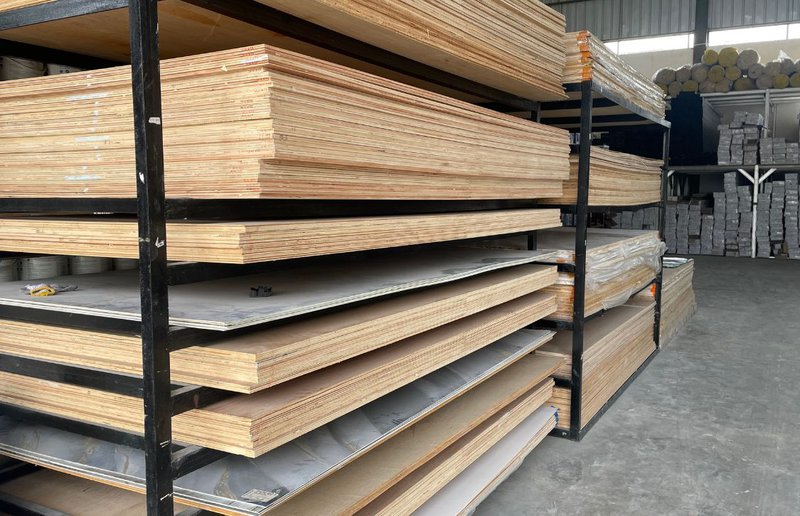
Partnering with an asset-based third-party logistics (3PL) provider operating dedicated rail sidings bridges the gap between long-haul rail efficiency and agile job-site delivery. Direct access to major rail networks allows building product manufacturers to ship dense carloads into regional distribution centers. Modern lumber distribution services rely on these transload hubs to receive continuous rail shipments, buffer seasonal inventory spikes, and eliminate unnecessary handling steps. Operations teams can review best practices for multi-modal transfers in our manager's guide to rail transloading.
Strategic Hubbing in High-Density Construction Corridors
Staging heavy construction materials near primary end-user markets remains essential for maintaining shorter lead times and meeting rigid job-site delivery schedules. Facilities located in Montgomery County, Pennsylvania, sit at the center of the Megalopolis consumer corridor. This strategic location places suppliers within a single day's drive of 90 million consumers. These hubs also sit within 100 miles of three major East Coast ports. Placing inventory at this strategic junction allows suppliers to serve active building markets across the Mid-Atlantic region. Regional transit covers Pennsylvania, New Jersey, New York, Maryland, and Delaware without multi-day delays.
Maintaining inventory at a central hub allows lumber mills and commercial distributors to convert long-distance rail haulage into quick-turn regional truck deliveries. When contractors require immediate delivery to active job sites, localized inventory eliminates multi-day road transit delays. For broader strategies for leveraging rail connections, explore how intermodal rail efficiency reduces transportation costs across Eastern markets.
Heavy-Haul Fleet Integration and Material Protection
Moving unitized lumber bundles from a staging facility to a job site requires specialized trucking assets. Standard dry vans cannot accommodate side-loading unitized packs of dimensional lumber, structural posts, or long-span trusses. Dedicated flatbeds and specialized trailers feature air-ride suspensions. These air-ride systems protect engineered wood components from road vibration, structural flex, and edge damage during transit. Utilizing an owned motor carrier fleet provides direct scheduling control, as detailed in our analysis of asset-based savings.
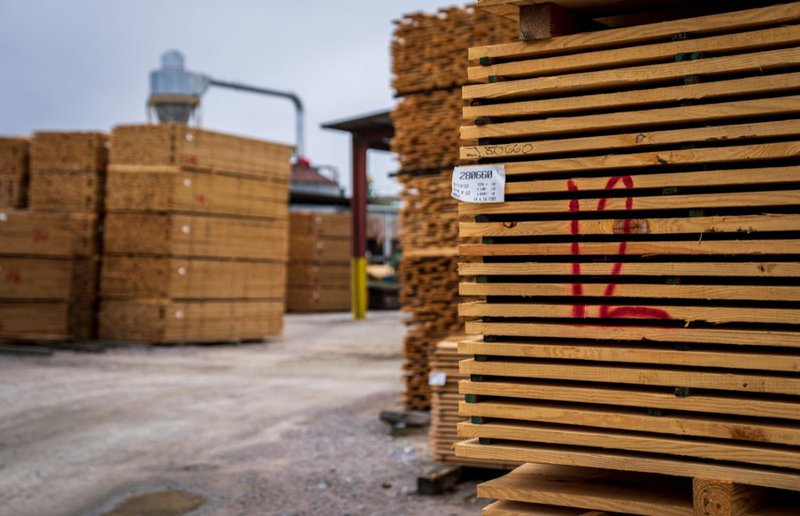
Beyond heavy equipment, effective supply chain execution depends on advanced inventory control frameworks. Real-time Radio Frequency (RF) tracking systems integrate directly with specialized inventory software. These digital tools ensure that heat-treated lots, grade-stamped units, and custom-cut orders are tracked with complete precision from railcar offloading to final staging. Integrating an experienced 3PL partner ensures that these complex routines adhere to strict specialized handling quality standards. Tailored logistics assets prevent expensive job-site downtime caused by damaged materials or delayed carrier arrivals.
Streamlining Lumber Distribution Services with Lansdale Warehouse
Navigating the complexities of building material logistics demands an experienced, asset-based partner. Lansdale Warehouse operates over 500,000 square feet of strategically located warehouse space across five facilities in Pennsylvania. This includes two direct CSX Transportation (CSX) rail-served locations backed by daily last-mile short line rail service. Lansdale also owns and operates a fleet of air-ride trucks that work alongside specialized material handling equipment. Integrated Electronic Data Interchange (EDI) architecture ensures complete control over building products from rail siding to final delivery.
Work with a veteran-owned, International Organization for Standardization (ISO) 9001-certified partner dedicated to "Customer Driven Logistics™." Contact us today to optimize your industrial supply chain and streamline your regional transport network.
Comments are closed