

When your racks fill faster than trucks can leave, a cross-dock facility can restore breathing room across your network. Instead of paying to store every pallet, you move freight straight from inbound doors to outbound trailers. Your inventory keeps moving, your carrying costs shrink, and your customers receive orders sooner than your competitors can ship.
Space limitations rarely stem from a lack of square footage alone; they usually come from slow product flow. Pallets sit for days waiting on paperwork, appointments, or labor, and every idle hour consumes valuable floor space. Here, you will learn how flow-through logistics works, where it fits, and how to judge its value for your operation.
Why a Cross-Dock Facility Beats Adding More Storage
Leasing more warehouse space feels like the obvious fix when your building runs out of open slots. However, extra square footage adds rent, labor, and handling costs without addressing the root cause of congestion. Cross-docking attacks congestion directly because it shortens the time each pallet spends inside the four walls.
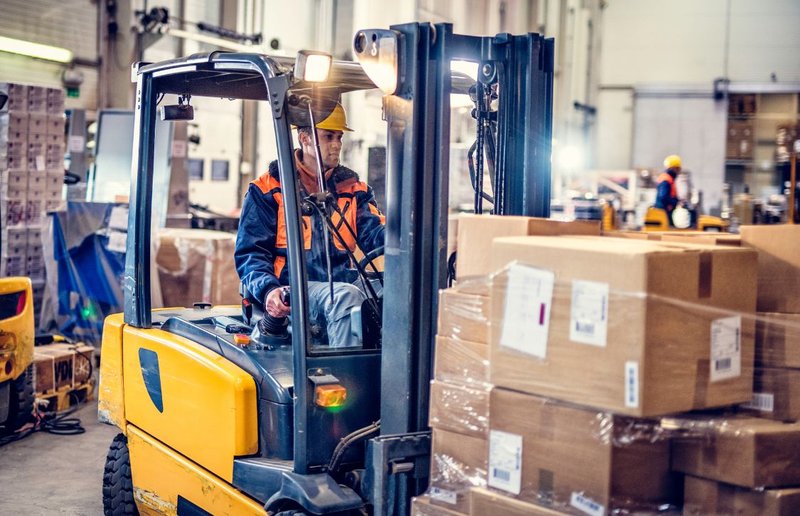
Traditional storage models assume products will wait, which forces you to pay for every day of idle inventory. Flow-through models, on the other hand, treat the dock as a transfer point rather than a holding area. When you shift fast-moving stock keeping units (SKUs) into flow-through, the same building handles more annual volume.
Speed matters as much as space, since retailers now expect shorter lead times and tighter delivery windows. Pairing cross-docking with smart carrier transit strategies helps you hit those windows without rushing freight. A cross-dock facility also reduces touches because each pallet moves once from receiving to shipping instead of three times. Fewer touches mean fewer damaged cases, lower labor hours, and a safer dock for your associates. Over time, those savings compound into a measurable return that outpaces the cost of leasing additional space.
What Is a Cross-Dock Facility and How Does It Solve Space Limitations?
A cross-dock facility receives inbound freight, sorts it by destination, and loads it onto outbound trucks within hours. Goods rarely enter long-term storage, so you free rack positions and floor space for slower-moving or seasonal inventory. As a result, you gain capacity, cut dwell time, and speed products to market without expanding your footprint.
Consolidating Rail and Truck Freight Near Major Ports
Inbound freight often arrives in formats that do not match how your customers want to receive it. A full railcar of paper rolls, for example, may need splitting across a dozen regional truck deliveries. Our rail-served cross-dock facility handles both consolidation and deconsolidation, so each shipment leaves in the right configuration.
Deconsolidation breaks full railcars or ocean containers into smaller truckloads bound for distribution centers and stores. Consolidation, in contrast, combines partial loads from several suppliers into full outbound trailers, cutting your per-unit freight cost. Transloading shifts product between railcars and trucks, and our guide to rail transloading benefits explains the savings. Two Class I railroads plus daily short line service give you dependable inbound options for heavy freight.
Location multiplies these advantages, since our Pennsylvania campus sits within 100 miles of three major East Coast ports. Learn more about Northeast port proximity and how shorter drayage runs protect your delivery schedules.
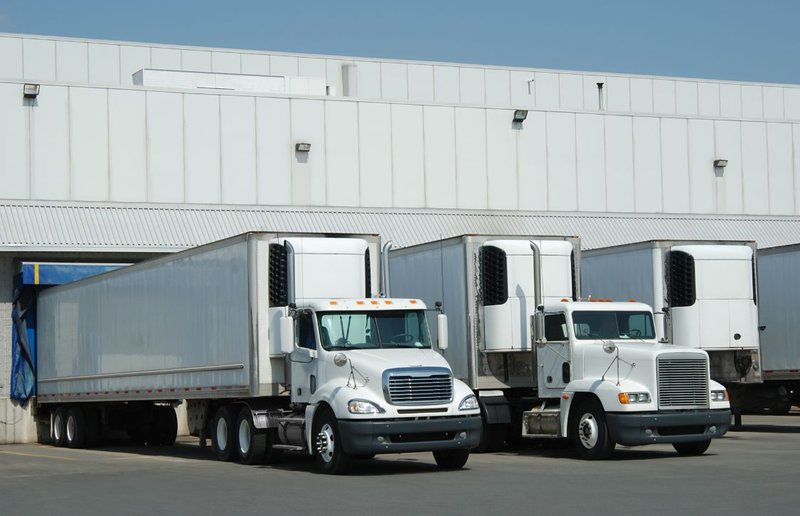
From there, your freight reaches a Megalopolis of 90 million consumers within a single day of trucking. Shorter lanes reduce fuel spend, driver hours, and the risk of missed appointments at busy retail docks. Meanwhile, reduced dwell at the port and the dock keeps demurrage and detention charges off your invoices.
When Cross-Docking Fits Your Network and When It Does Not
Cross-docking delivers the best return when demand is predictable and inbound timing aligns with outbound schedules. Retail replenishment, promotional builds, and just-in-time (JIT) production support all fit that pattern well. However, erratic orders, unlabeled freight, or products needing inspection usually belong in traditional storage instead. Accurate data separates a smooth cross-dock facility from a chaotic one, so electronic visibility is essential. Through electronic data interchange (EDI), your advance ship notices (ASNs) tell our team what arrives and where it goes.
Our asset-based fleet adds another layer of control, since we own the trucks that complete each outbound move. You avoid waiting on brokered capacity, and our dispatchers adjust quickly when your schedule changes at the last minute. Also, nimble smaller providers often respond faster than national giants when your volumes spike unexpectedly.
Before you commit, audit your SKU velocity, order profiles, and inbound reliability over the last two quarters. Then, split your catalog into flow-through candidates and storage items so each group gets the right process. Finally, launch a pilot lane and measure dwell time, dock-to-stock speed, and cost per pallet moved.
Free Up Space With a Cross-Dock Facility Built for Speed
Space limitations do not have to slow your growth or force an expensive warehouse expansion this year. With the right cross-docking partner, you turn idle floor space into productive throughput and quicker deliveries. Since 1958, our family- and veteran-owned team has helped shippers move freight with that kind of agility.
Our ISO 9001-certified processes, rail access, and owned fleet give your freight a dependable path to market. Whether you ship paper, food, or consumer goods, we tailor each flow-through program to your exact needs. Reach out today and let our team show you how cross-docking frees space across your network.
Comments are closed